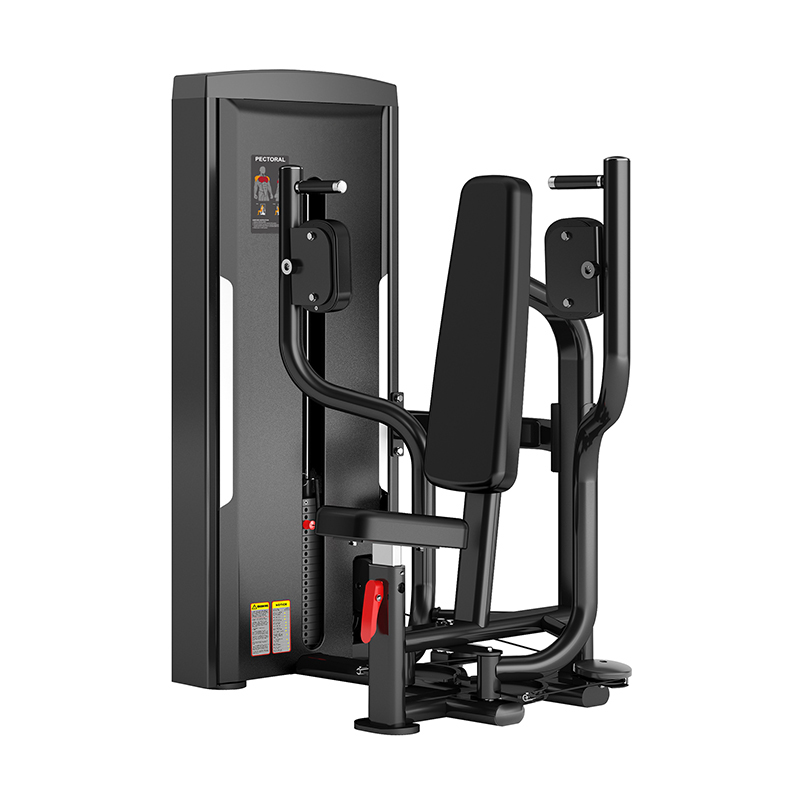
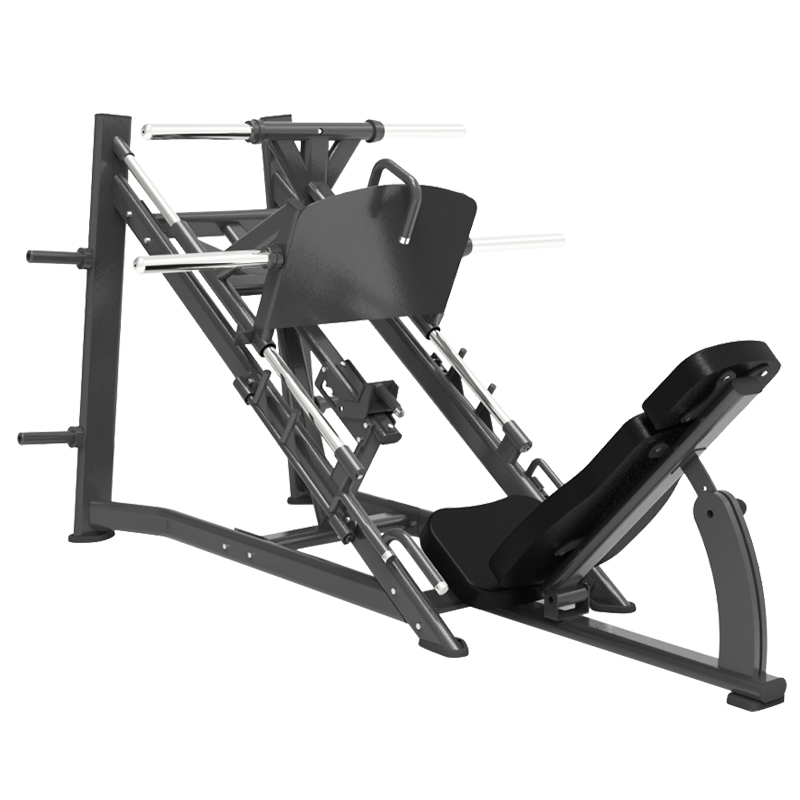
The chest press machine is one of the most popular strength stations in any commercial gym. Loved by beginners and experienced lifters alike, this guided machine targets your pectoralis major and minor, while also activating the anterior deltoids and triceps. Unlike the free-weight bench press, it stabilises your torso, reduces balance demands, and removes the need for a spotter. Still, many gym-goers use poor form, which wastes effort, lowers chest activation, and raises the risk of shoulder strain. Learning the correct setup, movement pattern and breathing technique helps you get better results safely every session.

Start with proper machine adjustment, the most overlooked step. Adjust the seat height so the handles sit level with the middle of your chest. If handles sit too high, your shoulders take most of the load; if too low, you struggle to squeeze your chest at the top. Sit fully back, with your entire upper back pressed firmly against the padded backrest. Keep your feet flat on the floor, hip-width apart for stable support. Grip the handles with a neutral or standard overhand grip, keep wrists straight and aligned with your forearms. Pull your shoulder blades down and back, and brace your core gently before you begin each rep. Your elbows should stay at roughly 45 degrees from your torso, not flared straight out to the sides, which protects the shoulder joints.
To perform the movement, exhale steadily as you press the handles forward. Extend your arms smoothly, but stop just short of locking your elbows. Locking out transfers tension away from your chest and puts unnecessary stress on elbow joints. Hold for a brief moment at the end of the press and squeeze your chest muscles. Then inhale and slowly guide the handles back to the starting position over two to three seconds. This slow eccentric phase drives muscle growth. Do not let the weight stack crash or bounce between reps. Maintain continuous tension on your pecs and keep your back glued to the pad through the whole set.
Most people make simple mistakes that limit progress. Rushing reps, lifting too heavy, and rounding the shoulders forward are the top issues. When weight exceeds your control, you arch your lower back or lift off the pad, shifting stress onto shoulders instead of chest. Avoid shrugging your shoulders up toward your ears. Do not chase maximum weight before mastering clean form. For muscle hypertrophy, 3–4 sets of 8–12 reps works well. Beginners can start with 2–3 sets of 12–15 reps to build movement awareness. For raw strength, choose heavier weight for 3–5 sets of 5–8 reps with longer rest periods.
The chest press machine fits neatly into almost any training routine. It works great as a warm-up before heavy free-weight pressing, or as a main chest builder when you want controlled volume. It is also ideal for gym members recovering from minor injuries, new gym users, or anyone who wants to add reliable chest work without coordination challenges. Commercial gym owners favour this equipment because it is intuitive, durable and suitable for members of all skill levels.
When used correctly, the chest press machine delivers consistent chest growth while keeping joint stress manageable. Prioritise setup, slow controlled movement and stable upper-back positioning over loading more weight. Master these basics, and every set on the chest press machine will become safer and far more productive for building stronger, fuller chest muscles.