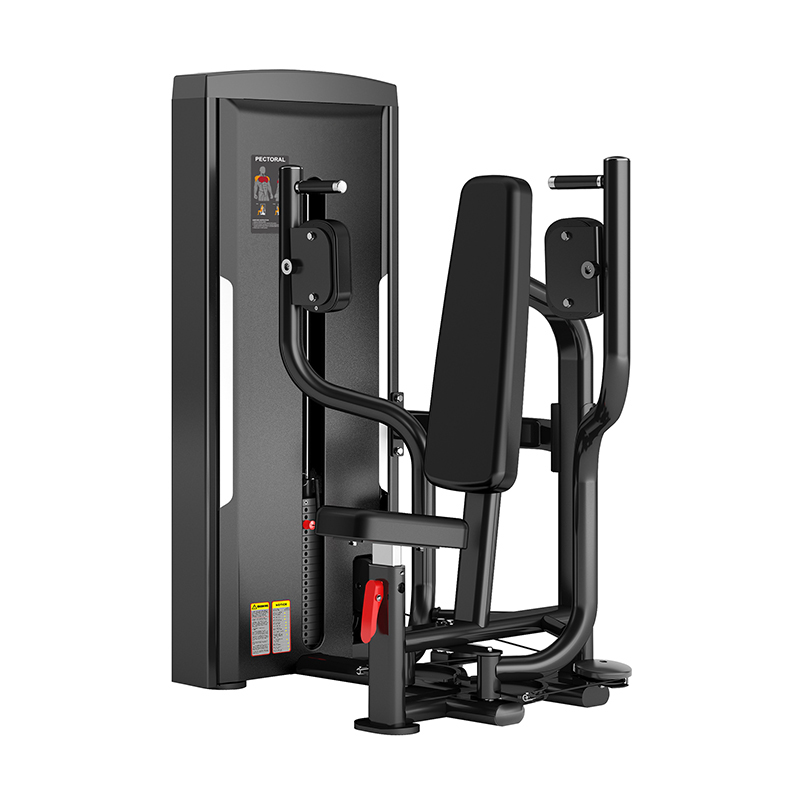
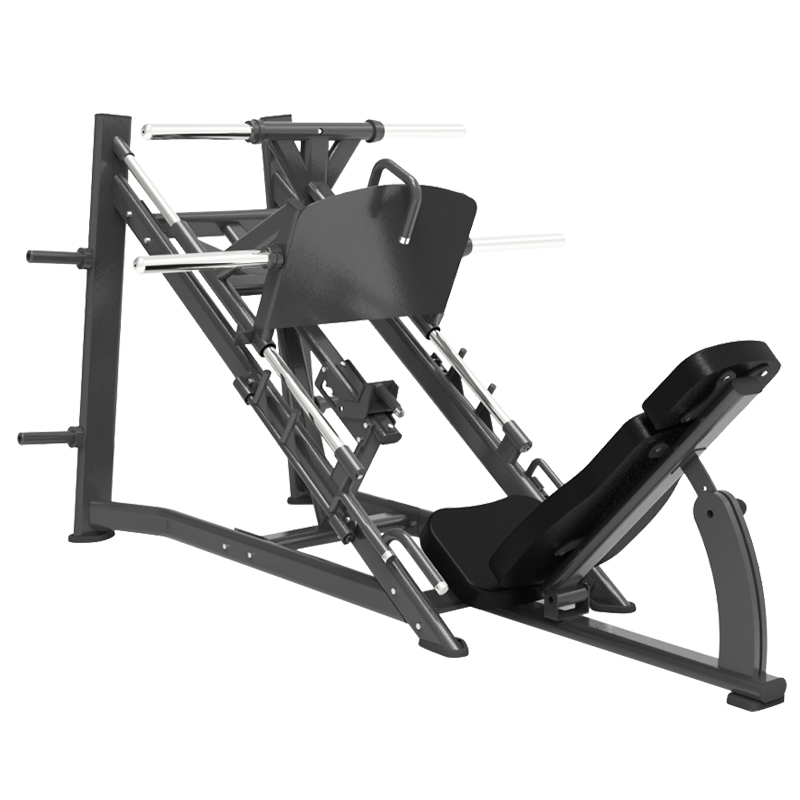
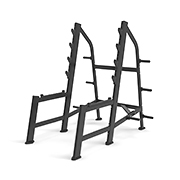
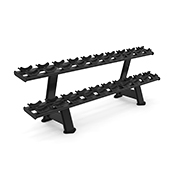
If you are searching for a low-impact, high-reward piece of commercial gym equipment to build stronger legs and fuller glutes, the belt squat machine deserves a central spot on your gym floor. Unlike traditional back squats that place heavy compressive load across the spine, this popular strength machine shifts weight onto a sturdy hip belt, letting users pile on load while protecting the lower back. It has quickly become a favourite among gym owners, competitive lifters, rehab clients and anyone who wants to maximise lower-body gains without unnecessary spinal stress.

The biggest advantage of a belt squat machine is its unique loading design. Weight plates hang directly from the belt around the waist instead of resting on the upper back or shoulders. This simple change keeps the torso more upright throughout the squat movement. Lifters can maintain a neutral spine, reach deeper squat depths, and focus tension squarely on quadriceps, hamstrings, glutes and adductors. For members who struggle with back pain, shoulder mobility restrictions or discomfort from barbell squats, this machine opens up heavy leg training that would otherwise be off-limits. It also works wonderfully for athletes recovering from minor injuries, under careful coaching.
Commercial-grade belt squat machines are built to stand up to constant daily use in busy fitness centres. A reliable unit features a heavy-gauge steel frame, smooth plate-loading pegs, a thick padded weight belt, stable non-slip foot platforms and adjustable stops to control depth. Good models run quietly, hold heavy weight capacities and require minimal ongoing maintenance, which lowers long-term operating costs for gym operators. Many versions also offer small design tweaks: wide footplates for stance variation, safety catchers and compact footprints so they fit well even in gyms with limited floor space.
Versatility sets this machine apart from many single-function leg trainers. Beyond standard belt squats, users can adjust their foot position to shift muscle emphasis. A wider stance fires up the glutes and inner thighs, while a narrow stance targets the quads. Advanced lifters can add pause squats, slow eccentric reps or high-rep pump sets. Trainers often programme belt squats to complement leg press, hack squat and deadlift work. It is also excellent for glute-focused accessory work, making it perfect for members who prioritise glute development alongside general leg strength.
For gym owners, adding a quality belt squat machine helps you attract serious lifters and differentiate your facility from basic gyms. Modern fitness enthusiasts actively seek equipment that supports safe, effective leg growth. When your gym includes a belt squat machine, you give members a powerful reason to stay and train consistently. It works well in strength zones, personal training stations and rehabilitation areas, delivering value across every member demographic.
Whether your clients want raw lower-body strength, muscle hypertrophy, improved squat technique or a back-friendly leg workout, the belt squat machine consistently delivers results. It solves common pain points of free-weight squats while keeping the movement functional and progressive. If you are upgrading your commercial strength lineup, this durable, user-friendly machine is one of the smartest investments for leg and glute strength training.