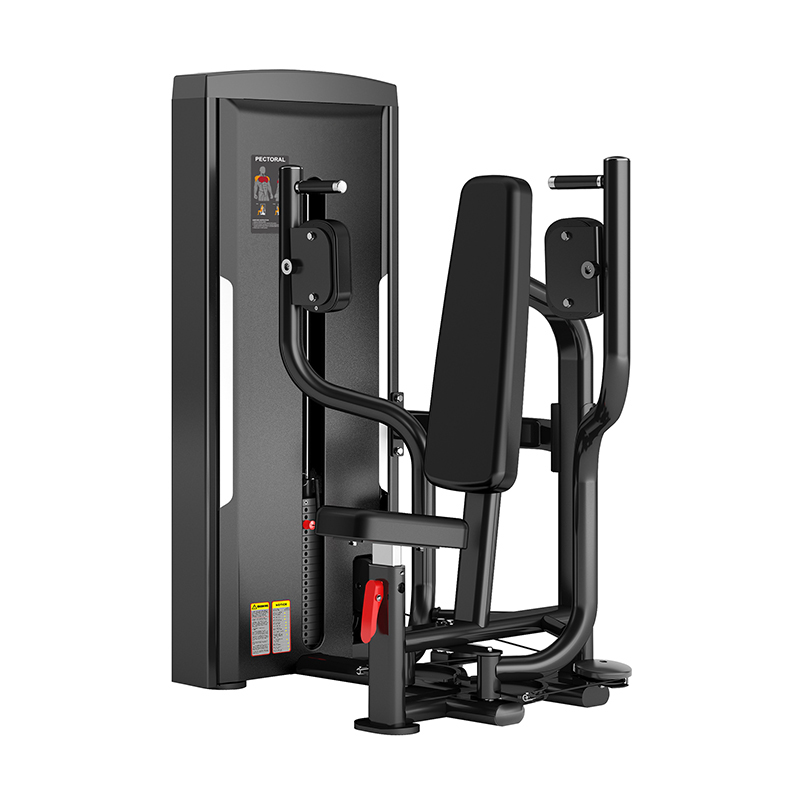
If you struggle with persistent knee pain, old knee injuries, patellofemoral discomfort, or mild osteoarthritis, traditional squats are likely off the menu for your leg days. Many lifters make the same mistake: they stop lower-body training entirely once squats trigger sharp knee discomfort. They believe squats are the only reliable way to build leg muscle and strength. This assumption keeps thousands of people stuck with weak leg muscles and unstable knees, even when they want to stay fit.

Strong quadriceps, hamstrings, glutes and calves act as natural shock absorbers for your knee joint. Well-developed leg muscles reduce compressive force on cartilage and ligaments, often easing everyday knee soreness over time. You do not need deep knee flexion or heavy back squats to hit those muscles. These knee-friendly leg exercises avoid the high shear stress that squats place on the kneecap, while still driving muscle growth and functional strength. This gym-based routine works great for older adults, casual gym-goers, and anyone who feels knee pain during squat patterns.
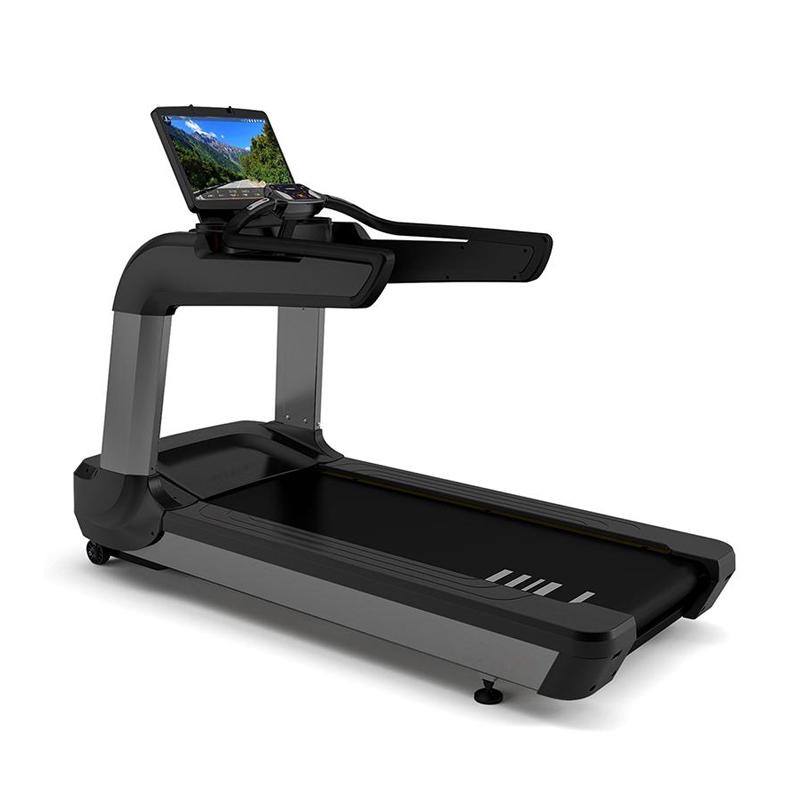
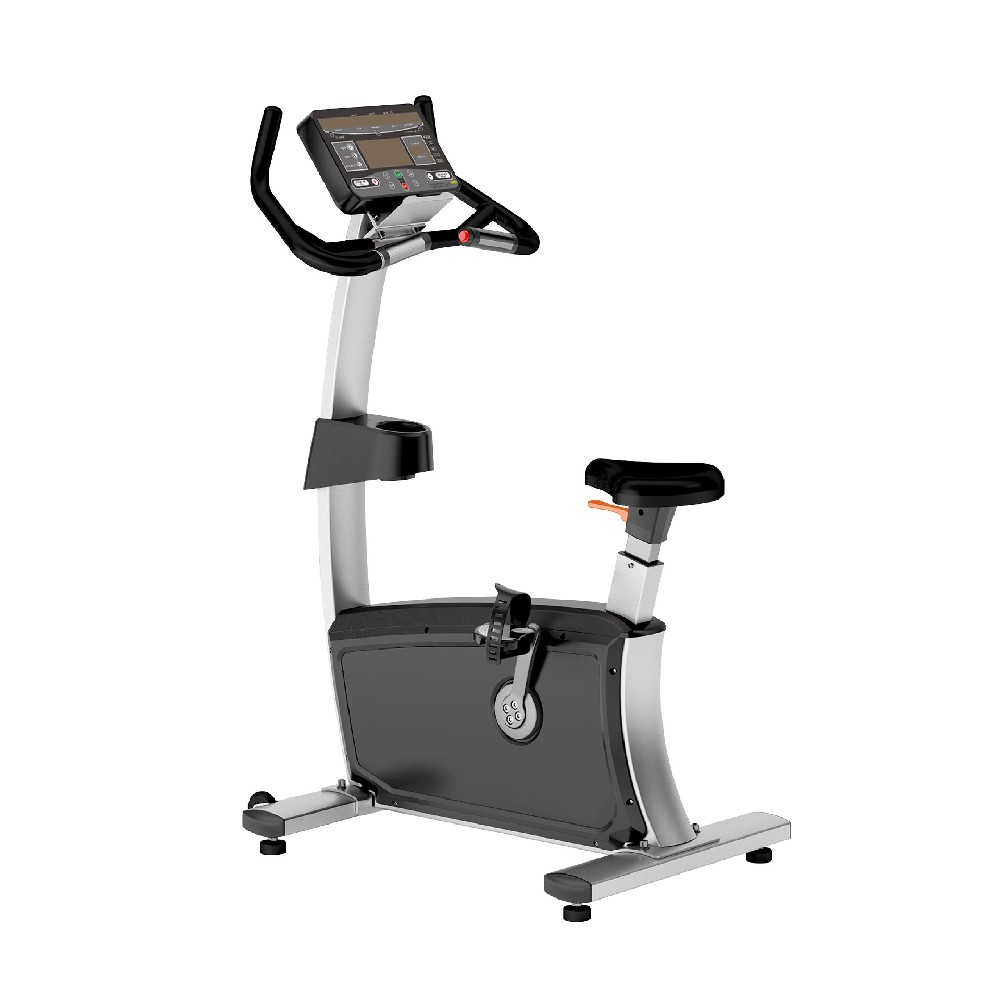
Never skip your warm-up before starting this session. Aim for 5 to 10 minutes of low-impact cardio, such as stationary cycling, to boost blood flow without straining your knees. Pair this with gentle mobility work for your hips and ankles. Tight hip flexors and stiff ankles pull your knees out of proper alignment, which is one hidden trigger for knee irritation during leg training. A few slow hip openers and ankle mobilisations can make your whole workout far more comfortable.
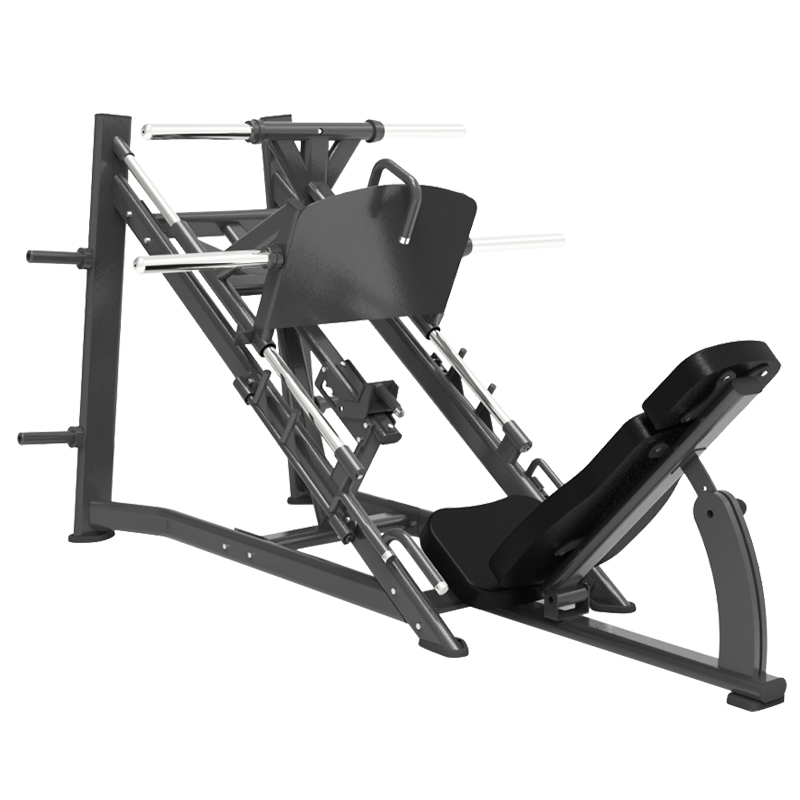
Start your workout with the leg press, the most popular squat alternative for sore knees. Adjust the seat backward to keep your torso upright, and place your feet higher on the press plate. Keep your knee bend limited to less than 90 degrees on every rep. Track your knees in line with your toes, avoid knee valgus, and do not lock your legs fully at the top of the movement. Prioritise controlled movement over loading the heaviest plates possible.
Move on to lying leg curls next. This movement isolates your hamstrings with almost no compression through the knee joint. Rest against the padded support, curl the weight slowly, hold for one second at peak contraction, then lower with deliberate control. Focus on muscle tension rather than chasing one-rep max loads. Strong hamstrings balance quad strength and further stabilise the knee.
Seated leg extensions often get a bad reputation, but they are safe when used carefully. Stick to lighter weights and only move within your pain-free range of motion. You do not need to straighten your leg all the way if full extension creates discomfort. This exercise targets the quads directly, building strength without deep knee folding.
Add hip thrusts to activate your glutes and posterior chain. Hip thrusts keep your knees fixed at a steady, low-stress angle. Most of the workload lands on your glutes and hamstrings, taking pressure away from the knee joint. A padded bench makes this movement comfortable and stable. Wrap the session with standing calf raises on a calf machine to hit your gastrocnemius and soleus.
Follow this simple structure for your workout: three sets of 10 to 12 controlled repetitions for each exercise, with 60 to 90 seconds of rest between sets. Learn the difference between normal muscle burn and warning pain. Mild fatigue is expected, but sharp, stabbing knee pain means you must reduce weight, shorten your range of motion, or stop immediately. Never sacrifice joint safety for extra volume.
Giving up squats is not the same as giving up leg gains. Consistent, thoughtful low-impact training builds stable, resilient legs. It protects your knees from further wear and tear and lets you keep leg day as a regular part of your fitness journey. You can build strength and muscle without ever loading up a squat bar.