If you want stronger, healthier shoulders, you have likely debated one core question: should you prioritize isolated shoulder exercises, or integrated, compound movements that train shoulders alongside other muscle groups? There is no universal “best” option. The right mix depends on your training goals, injury history, current strength level, and weak points. Understanding the difference between these two training styles will help you build a shoulder routine that delivers real, sustainable results.

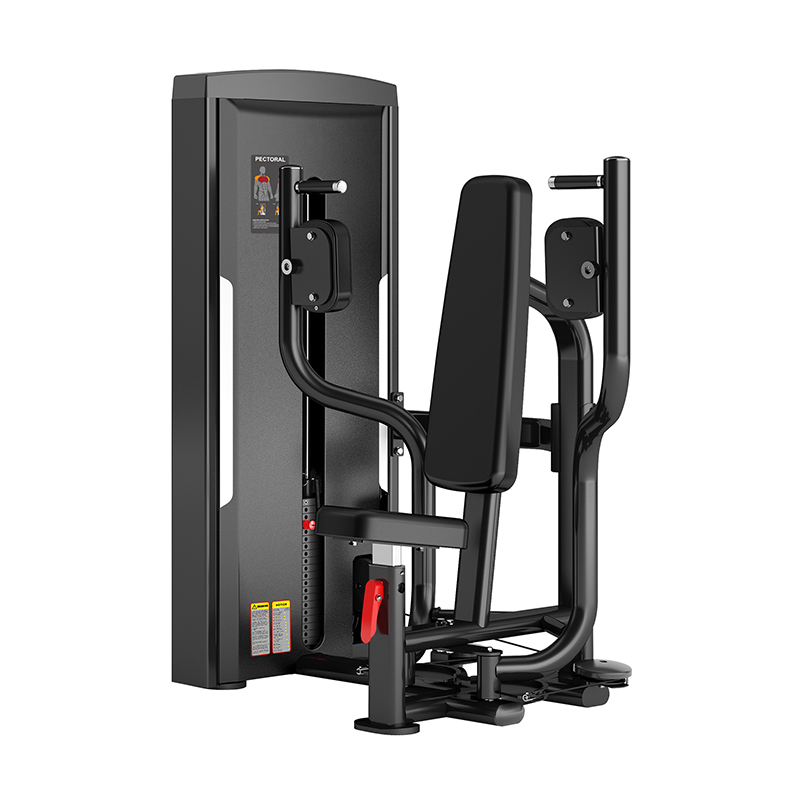
Isolated shoulder work targets only the deltoid muscles, limiting involvement from the chest, back, and triceps. Lateral raises, front raises, reverse flyes, and face pulls are classic isolation moves. These exercises let you zero in on specific deltoid heads: anterior, lateral, and posterior delts. Isolation shines for fixing muscle imbalances. Most people have underdeveloped rear delts from desk work and pressing movements. Slow, controlled isolation work can wake up these lagging muscles, improve shoulder stability, and correct rounded shoulder posture.
Isolation training also gives you precise control over muscle tension. You can adjust the weight and range of motion to target weak areas without overloading other body parts. This makes it ideal for rehabilitation, prehab, or adding finishing volume to your shoulders after compound lifts. The downside is that isolation exercises do not build overall strength efficiently. They use lighter loads and burn fewer calories, and they cannot trigger the same level of whole-body muscle growth as compound movements. Relying only on isolation work will limit your ability to add serious mass to your shoulders.
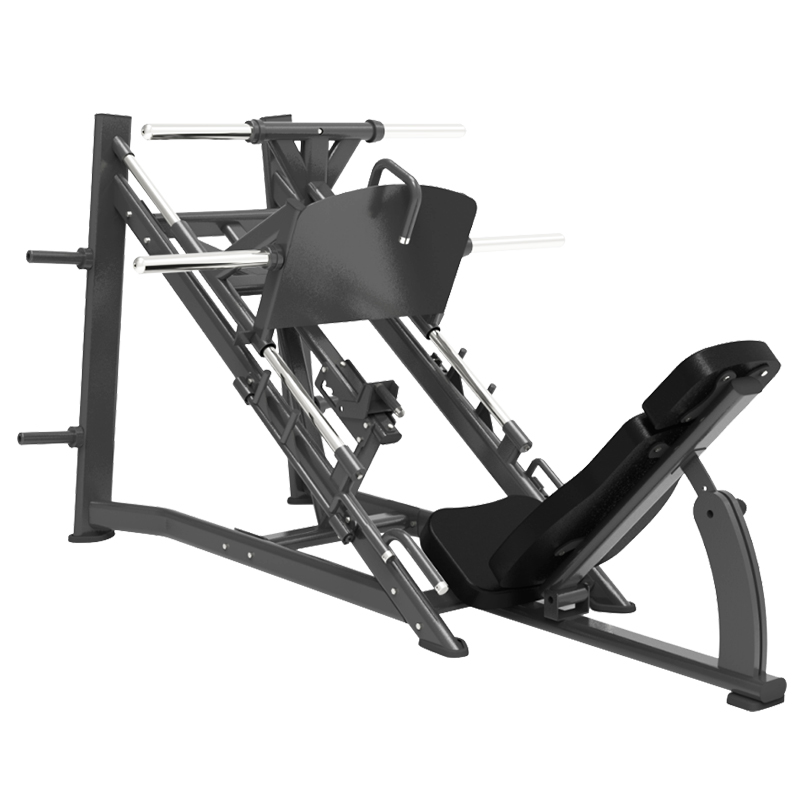
Integrated shoulder training uses compound lifts where shoulders work with multiple muscle groups. Overhead press, push-ups, bench press, pull-ups, and rows all integrate the delts into larger movement patterns. These compound exercises allow you to lift heavier weights. Heavy loading stimulates greater hormone release and muscle protein synthesis, which drives faster muscle growth and raw upper-body strength.
Real-life and athletic movements are integrated. Throwing, lifting, carrying, and pushing all require your shoulders to work together with your core, arms, and back. Compound training builds functional strength that transfers beyond the gym. The main drawback is that compound lifts spread tension across many muscles. If your triceps or chest fatigue first, your delts may not get enough stimulation. Poor form on heavy overhead presses can also strain the shoulder joint, especially if you have mobility restrictions or existing rotator cuff irritation.
So which strategy wins? The most effective shoulder program combines both styles. Start your workout with integrated compound lifts as your main strength builders. Use overhead presses or weighted push-ups to build baseline strength and mass. Follow up with targeted isolation exercises to fill gaps. Add lateral raises for side delt width and reverse flyes for weak rear delts.
Beginners can focus more on integrated compound lifts first. Compound movements build foundational strength and movement patterns quickly. Advanced lifters or those with shoulder injuries need more isolation to fix imbalances and protect the joint. Avoid the common mistake of only doing heavy pressing without rear delt work. This imbalance is one of the top causes of shoulder pain in gym-goers.
At the end of the day, isolation and integration are not rivals. They complement each other. Integrated lifts build size and strength. Isolation work shapes, balances, and protects your shoulders. Combine both approaches, track your progress, and adjust based on how your shoulders feel, and you will build stronger, more resilient shoulders long-term.