If you have spent time designing your leg‑day routine, you have likely wondered about the difference between quad‑dominant and glute‑dominant lower‑body workouts. Many gym‑goers unknowingly repeat the same movement patterns week after week, which can lead to muscle imbalances, stalled strength gains, and frustrating plateaus in leg and glute growth. Understanding these two movement styles helps you build a more balanced, effective lower‑body training plan, whether your goal is stronger legs, fuller glutes, or general athletic performance.

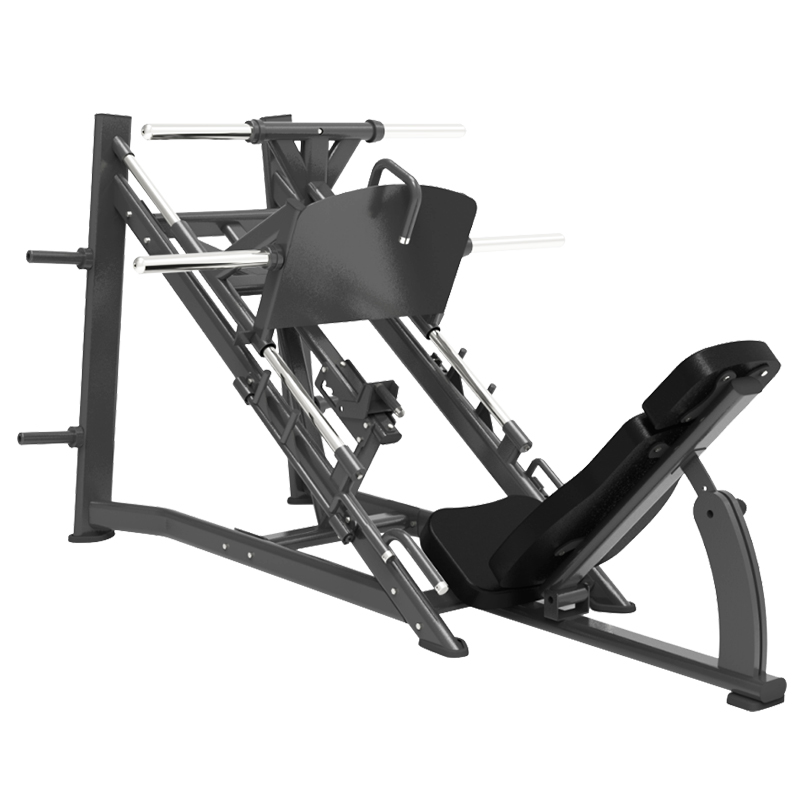
First, let’s define quad‑dominant training. Quad‑dominant exercises rely mainly on **knee extension** to produce force. During these movements, your torso stays relatively upright, your knees travel forward over your toes, and the front of your thighs (quadriceps) bear most of the resistance. Classic quad‑dominant moves include front squats, upright‑torso Bulgarian split squats, leg press with feet placed low on the platform, and walking lunges. These workouts build powerful quadriceps, strengthen the knees, and boost vertical‑jump ability. However, if you only perform quad‑heavy lower‑body sessions, your glutes and hamstrings can become underdeveloped and weak. Over time, this muscular imbalance may increase stress on your knee joints during daily activity and sport.
On the other side, glute‑dominant (also known as hip‑dominant) lower‑body workouts center around the **hip hinge**. In a hip‑hinge pattern, you push your hips backward, your torso tilts forward, and hip extension drives the movement rather than knee bending. Key glute‑focused exercises include hip thrusts, Romanian deadlifts (RDLs), cable pull‑throughs, and barbell good mornings. These movements target the gluteus maximus and hamstrings, building strength across your posterior chain. Many people who sit for long hours have inactive glute muscles; glute‑dominant workouts help reverse “dead butt syndrome,” improve hip mobility, and reduce lower‑back tightness. Even so, training only glute‑dominant lifts leaves your quads understimulated, limiting overall leg strength.
It is important to note that no lower‑body exercise works just one muscle group exclusively. A back squat can be adjusted toward more glute activation by widening your stance and leaning further forward, while hip thrusts still place minor stress on your quads. Your body will always share workload across muscle groups; the “dominant” label simply tells you which muscle group takes the primary load. Your individual body proportions, hip structure, ankle mobility, and stance width will also shift muscle activation during every lift.
So what does this mean for your weekly programming? The best lower‑body workout plans combine both quad‑dominant and glute‑dominant movements in each leg session, rather than choosing one style over the other. If your primary goal is building bigger quads, place your quad‑focused lifts early in your workout when your energy is highest. If glute growth is your priority, start with your hip‑hinge exercises. Beginners should aim for a balanced mix to fix existing imbalances before chasing specific muscle growth. Advanced lifters can occasionally run phases that lean heavier into quad or glute work to target weak points.
Many gym members make the common mistake of sticking only to their favourite movement patterns. If you always choose back squats and lunges, try adding hip thrusts and RDLs. If your routine consists mostly of hip hinges, add front squats or low‑foot leg press to challenge your quads. Mixing these two categories of lower‑body work helps you build complete leg strength, protect your knees and lower back from injury, and keep making consistent progress month after month. You do not need to pick sides between quad‑dominant and glute‑dominant training; smart programming blends both for a stronger, more resilient lower body.