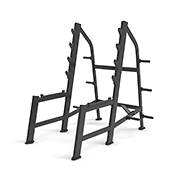
If you spend any time browsing fitness forums or social‑media workout content, you will repeatedly hear one message: squats are non‑negotiable if you want bigger, stronger legs. Many lifters believe that skipping barbell squats means you will never build substantial lower‑body muscle mass. But is this really true? The short answer is no — you absolutely can grow your leg muscles without performing back or front squats.

There are plenty of reasons people avoid squats. Some lifters deal with persistent lower‑back strain; others struggle with knee discomfort or poor hip mobility. For some, squats simply do not fit their body proportions. None of these issues have to end your leg‑building goals. Muscle growth, or hypertrophy, follows one core rule: **progressive overload**. As long as you gradually increase weight, reps, or time under tension for your leg muscles, your quads, hamstrings, glutes and calves will respond and grow, regardless of whether you use a barbell on your back.
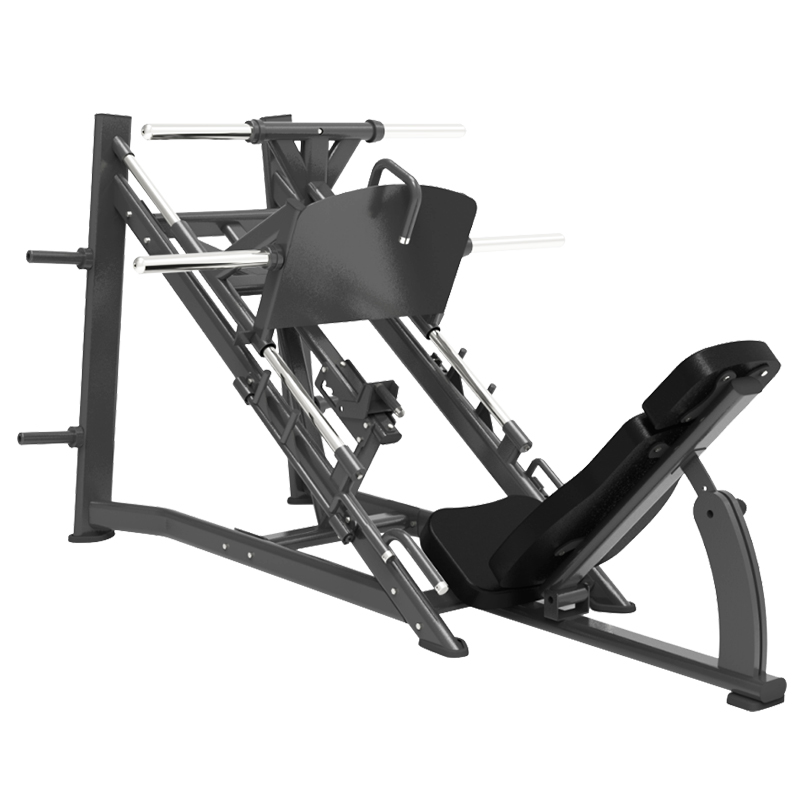
So what exercises should form the foundation of a squat‑free leg‑building routine? The leg press machine is your primary workhorse. Because your back is supported against the padded seat, spinal compression drops dramatically, while you can pile on heavy loading to hammer the quadriceps. Adjust your foot placement to shift emphasis: higher foot positioning targets glutes and hamstrings, while lower foot placement puts more stress onto your quads. Do not rush through leg‑press reps; slow the lowering phase to increase muscle tension.
Unilateral, single‑leg movements are another critical piece of the puzzle. Walking lunges, dumbbell reverse lunges, and Bulgarian split squats allow you to work each leg independently. These moves fire up stabilizer muscles that often get neglected on machines. Even without a barbell, holding a pair of heavy dumbbells during split squats creates enough mechanical stress to drive meaningful quad growth.
You also cannot ignore your posterior chain. Romanian deadlifts with dumbbells or a barbell are excellent for hamstring and glute development. Seated and lying leg curls isolate hamstrings directly, which helps you fix muscle imbalances that often appear when you skip traditional squat training. Finish each leg session with standing or seated calf raises, adding weight week after week to build bigger calves.
It is important to set realistic expectations. Squats are an efficient compound lift, so a squat‑free program requires careful planning. Track your workouts diligently. Every two weeks, try adding a little extra weight, an extra rep per set, or slow down the eccentric movement. Without progressive overload, even the best selection of leg exercises will not deliver muscle gains. Nutrition matters equally: sufficient protein intake and a small calorie surplus support new muscle tissue.
Many gym‑goers worry that avoiding squats will make their legs look underdeveloped. But countless lifters with back or knee limitations have built thick, muscular legs exclusively with machine work, lunges, and hip‑hinge movements. Squats are a great tool, not a hard requirement.
If squat pain has stopped you from making lower‑body progress, stop forcing the movement. Build your leg routine around lunges, leg press, leg curls and Romanian deadlifts. Stay consistent, keep pushing for progressive overload, fuel your body properly, and you will watch your leg muscles grow over time. You do not need to squat heavy to build impressive legs.