If you spend hours training shoulders yet still struggle with rounded posture, weak rear delts are likely the culprit. Most gym-goers focus heavily on front and side delts, ignoring the rear deltoids at the back of the shoulder. Neglected rear delts not only ruin shoulder symmetry but also raise your risk of rotator cuff injuries, neck tension, and upper back pain. Adding targeted rear delt exercises to your weekly routine fixes imbalances, improves posture, and builds full, 3D shoulder development.

The rear deltoid is a small muscle group, meaning it responds best to light-to-moderate weights, controlled movement, and high-quality contraction rather than heavy lifting. Many people mistakenly use too much load, letting their upper traps take over and removing tension from the rear delts. The key is to prioritize mind-muscle connection: focus on squeezing the back of your shoulder at the peak of each rep, instead of chasing big numbers on the weight stack.
This is the gold-standard rear delt exercise. Hinge at your hips, keep your back flat, hold light dumbbells with palms facing each other. Maintain a slight bend in elbows as you lift arms out wide, squeezing your rear delts at the top, then slowly lower. Avoid swinging momentum. Aim for 3–4 sets of 12–15 reps. This move isolates rear delts and is perfect for beginners.
Face pulls are a staple for shoulder health. Attach a rope to a high cable anchor. Pull the rope toward your forehead, spreading your elbows wide as you squeeze the rear delts and upper back. Pause briefly before returning slowly. 3 sets of 15 reps. This exercise also strengthens the rotator cuff, making it ideal for anyone who lifts weights regularly or sits at a desk for long hours.
Set an adjustable bench to a 30–45-degree incline. Lie chest-down, hold dumbbells, and perform reverse flys. The incline stabilizes your torso and eliminates swinging, locking tension directly on rear delts. Do 3 sets of 12–14 reps if you struggle to feel rear delts with standard bent-over flyes.
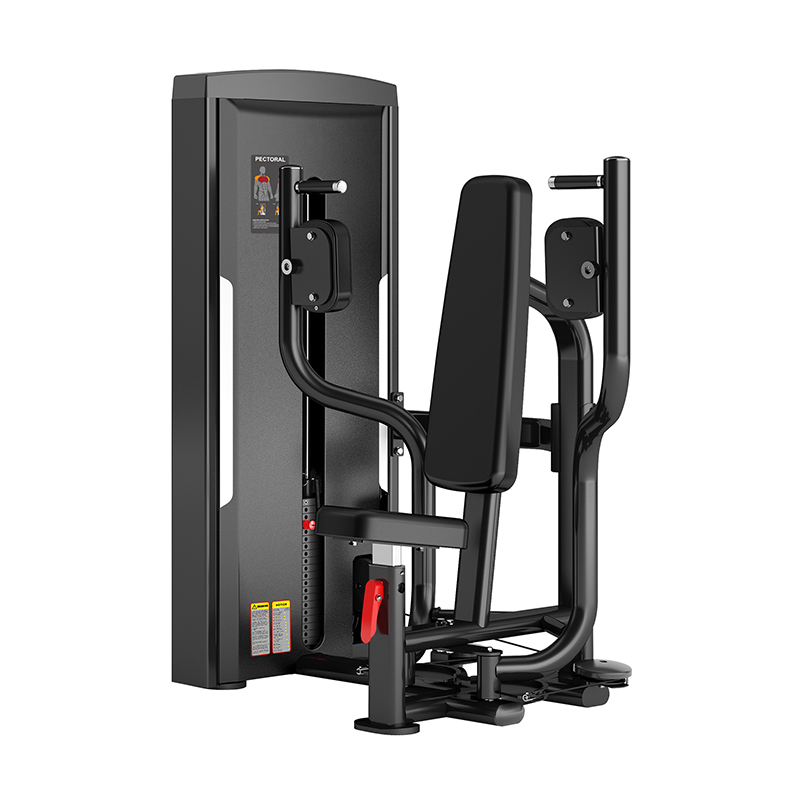
The rear delt machine guides your movement path, great for learning proper form. Sit chest against the pad, grip handles, and pull arms backward while squeezing your shoulder blades together. Use this as a finishing set: 3 sets of 15–20 reps to fully fatigue the muscle.
The biggest error is overloading weight. Heavy weights force your upper traps to compensate, so your rear delts get little to no work. Keep elbows soft; fully locked elbows put dangerous stress on shoulder joints. Do not rush reps. Fast, bouncy movements reduce muscle activation and increase injury risk.
How often should you train rear delts? 2 times per week works best. You can add these exercises at the end of shoulder day or upper-body training sessions. Even 10 minutes of rear delt work each session will create noticeable changes over 8–12 weeks.
Strong rear delts do more than make your shoulders look complete. They pull your shoulders back, fix the “computer slouch” most people develop, reduce chronic neck discomfort, and protect your shoulders during pressing and pulling workouts. Don’t keep skipping these small but powerful muscles. Swap one or two of your usual shoulder accessory exercises for these rear delt movements and watch your posture and shoulder gains transform.