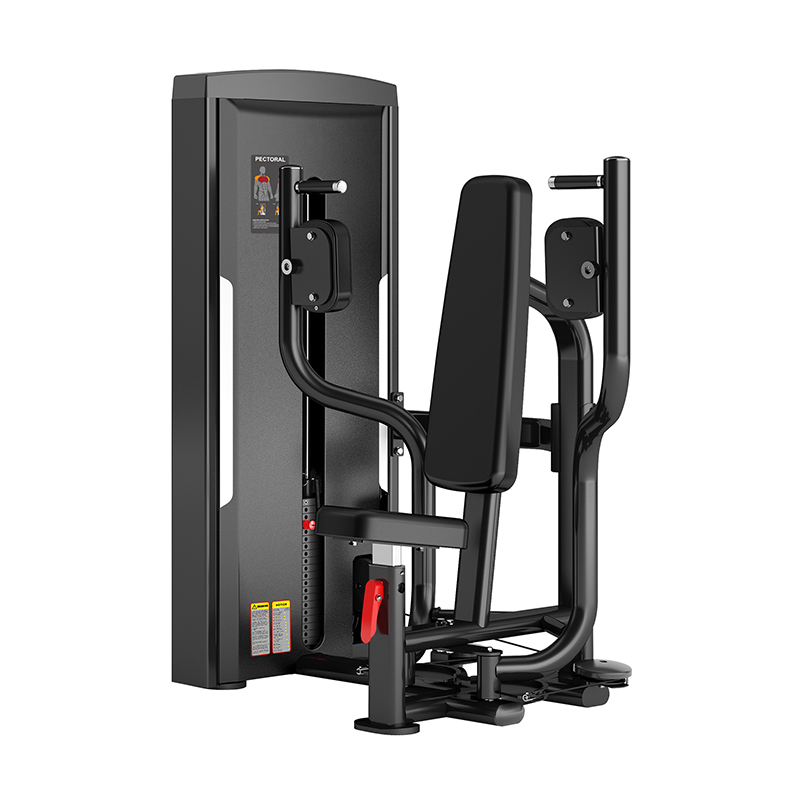
Most people associate strength training with physical gains: muscle growth, fat loss, and stronger bones. However, modern psychological and sports medicine research confirms that resistance training is equally powerful for mental wellness. Unlike cardio, strength training combines physical movement, focused attention, and progressive achievement, delivering unique, science-backed mental health benefits. Here are eight proven mental health advantages of regular strength training.

1. Reduces Depression Symptoms
Multiple clinical trials and meta-analyses prove consistent strength training significantly eases mild to moderate depression. It triggers the release of endorphins and regulates stress hormones, lifting low mood naturally. Research published in the British Journal of Sports Medicine even recommends resistance training as a core supportive method for depression management.
2. Lowers Anxiety and Chronic Stress
Strength training calms the body’s fight-or-flight response, lowering baseline anxiety levels. Controlled, repetitive lifting movements train your nervous system to handle pressure steadily. Over time, practitioners report less overthinking, fewer panic feelings, and better stress resilience in work and daily life.
3. Boosts Self-Confidence and Self-Esteem
Mental confidence often follows physical strength. Progressive overload—lifting slightly more weight or completing extra reps—creates measurable progress. These small, consistent wins build self-trust, reshape self-image, and reduce negative self-talk, making you feel more capable and resilient.
4. Enhances Focus and Cognitive Function
Lifting weights requires precise focus on form, breathing, and muscle control. This sustained concentration trains your brain to stay present, improving attention span and mental clarity. Long-term strength training also supports brain health, sharpening memory and problem-solving skills for daily tasks and work.
5. Improves Sleep Quality
Poor sleep worsens mood swings, stress, and mental fatigue. Regular strength training regulates your circadian rhythm and relieves physical tension accumulated during the day. Studies show consistent resistance workouts help users fall asleep faster, enjoy deeper sleep, and wake up more refreshed.
6. Builds Long-Term Mental Resilience
Strength training teaches you to embrace controlled discomfort. Pushing through muscle fatigue and workout challenges cultivates mental toughness. This resilience transfers to real life, helping you cope with setbacks, pressure, and frustrations with a calmer, more persistent mindset.
7. Regulates Mood and Emotional Stability
Hormonal balance is key to steady moods. Strength training optimizes dopamine and serotonin levels, two critical neurotransmitters for emotional regulation. It reduces sudden mood swings, irritability, and emotional burnout, helping you maintain a balanced, positive state of mind.
8. Reduces Mental Fatigue and Burnout
Sedentary lifestyles and overwork often cause persistent mental fatigue. Strength training boosts blood circulation and oxygen flow to the brain, revitalizing mental energy. It serves as an active reset for overworked minds, effectively preventing and alleviating chronic burnout.
Final Thoughts
Strength training is far more than a physical fitness routine—it is a evidence-based mental health tool. From easing anxiety and depression to building confidence and resilience, its mental benefits are undeniable. You do not need intense daily workouts. Just 2–3 30-minute strength sessions weekly can deliver lasting improvements to your mental wellness, helping you build a stronger body and a healthier mind.