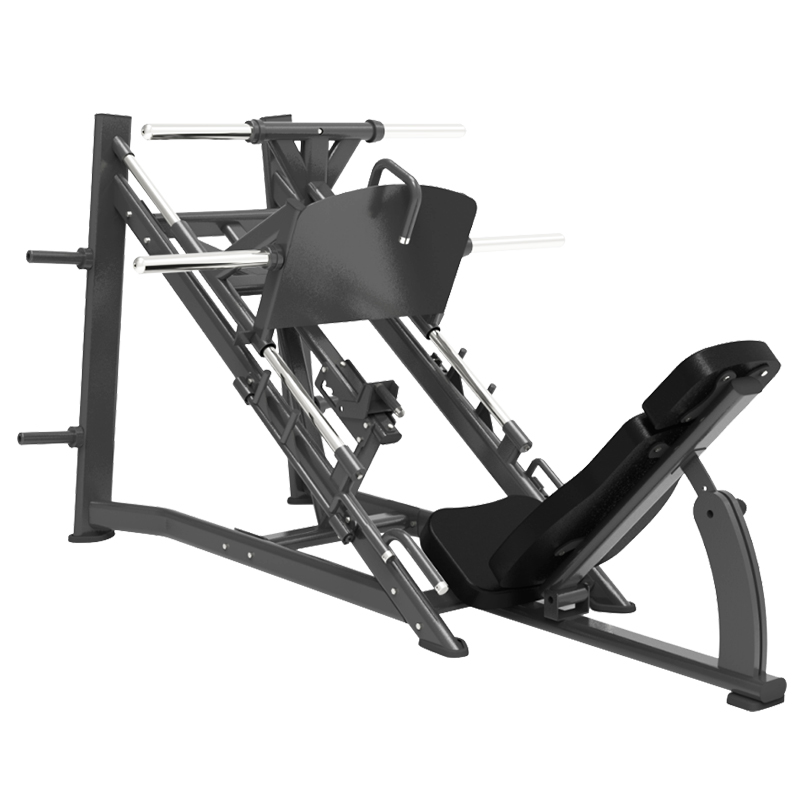
Strength training is one of the most effective ways to build muscle, boost metabolism, strengthen bones, and improve overall physical fitness. For total beginners, however, stepping into strength workouts can feel intimidating. Confusion over workout plans, improper movement patterns, and fear of injury often stop people from starting. This beginner-friendly guide shares practical, science-backed tips and core techniques to help you build a safe, sustainable strength training routine and achieve steady progress.

The first and most critical rule for beginners is prioritizing proper form over heavy weight. Many new lifters fall into the “ego lifting” trap, choosing overly heavy weights to chase fast results, which leads to poor posture, muscle strain, and long-term joint damage. Mastering standard movement patterns lays a solid foundation for all future gains. Focus on controlled, full-range motions for basic compound exercises, including squats, push-ups, rows, and planks. These multi-joint movements engage major muscle groups, deliver maximum training efficiency, and perfectly suit beginner fitness levels.
Next, design a simple, consistent weekly workout schedule. For beginners, 2 to 3 full-body strength sessions per week is ideal, with at least one rest day between workouts. This frequency allows sufficient muscle stimulation for growth and enough recovery time, as muscles repair and grow stronger during rest, not training. A classic Monday-Wednesday-Friday schedule works perfectly for most people, balancing training frequency and body recovery. Limit each workout to 30–45 minutes, focusing on 3 to 4 core exercises instead of overloading on random movements.
Never skip warm-ups and cool-downs, two overlooked steps that drastically reduce injury risk. Spend 5–10 minutes on dynamic warm-ups before training, such as arm circles, bodyweight squats, leg swings, and high knees. These movements raise your heart rate, loosen stiff muscles, and activate joints for intense exercise. After each workout, do 5 minutes of static stretching to relax tight muscles, relieve soreness, and improve flexibility, accelerating post-workout recovery.
Gradual progression is the key to long-term strength gains. Once you can complete 3 sets of 12–15 reps of an exercise with perfect form and no excessive fatigue, slowly increase the weight, add one extra set, or reduce rest time slightly. Small, consistent upgrades prevent training plateaus and keep your body adapting. Meanwhile, avoid overtraining. Excessive workouts without proper rest cause chronic fatigue, weakened immunity, and stalled progress. Listen to your body and take extra rest days if you feel persistent muscle soreness or exhaustion.
Simple lifestyle habits also elevate your training results. Maintain proper breathing: exhale during exertion and inhale during relaxation, never hold your breath during lifts. Stay hydrated throughout workouts and prioritize 7–9 hours of nightly sleep, paired with balanced protein intake to support muscle repair.
In summary, beginner strength training success relies on good form, consistent simple routines, proper recovery, and gradual progression. Skip complicated trends, focus on foundational techniques, and stay consistent. Over time, these small daily efforts will build remarkable strength, stamina, and overall fitness.