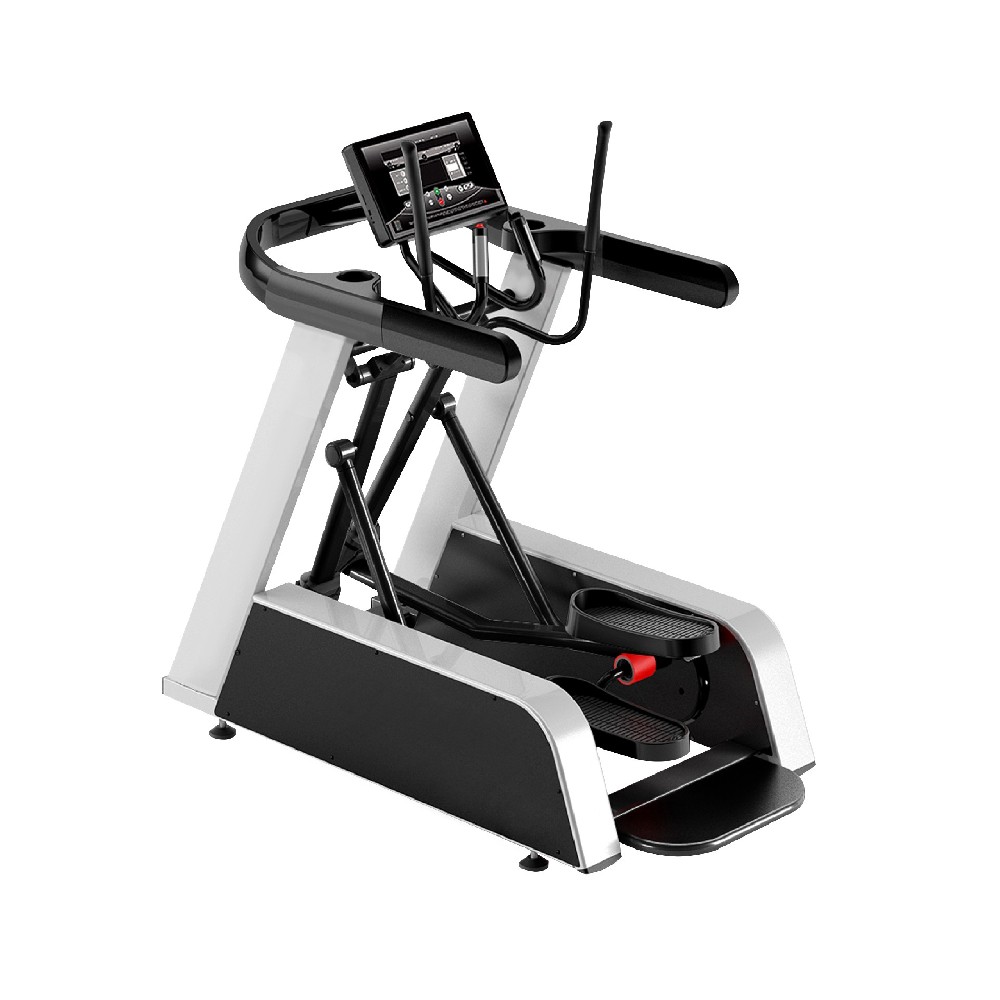
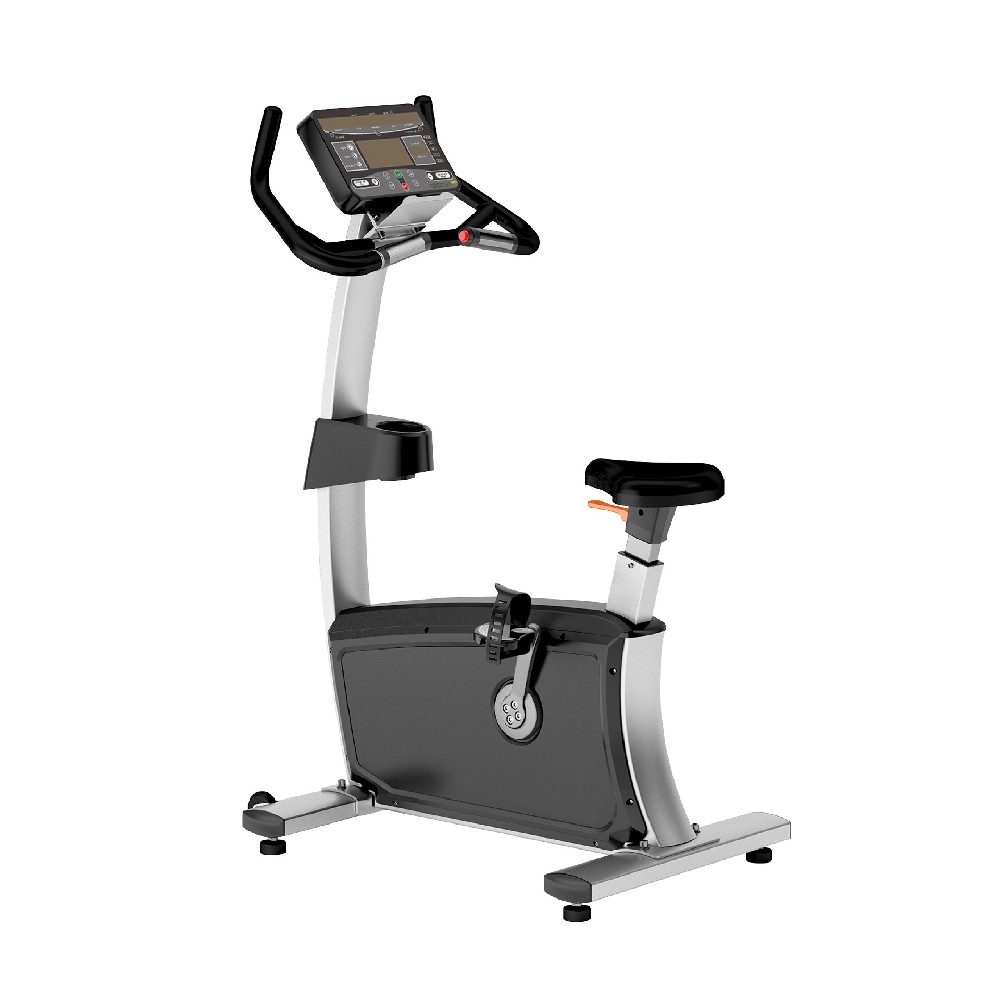
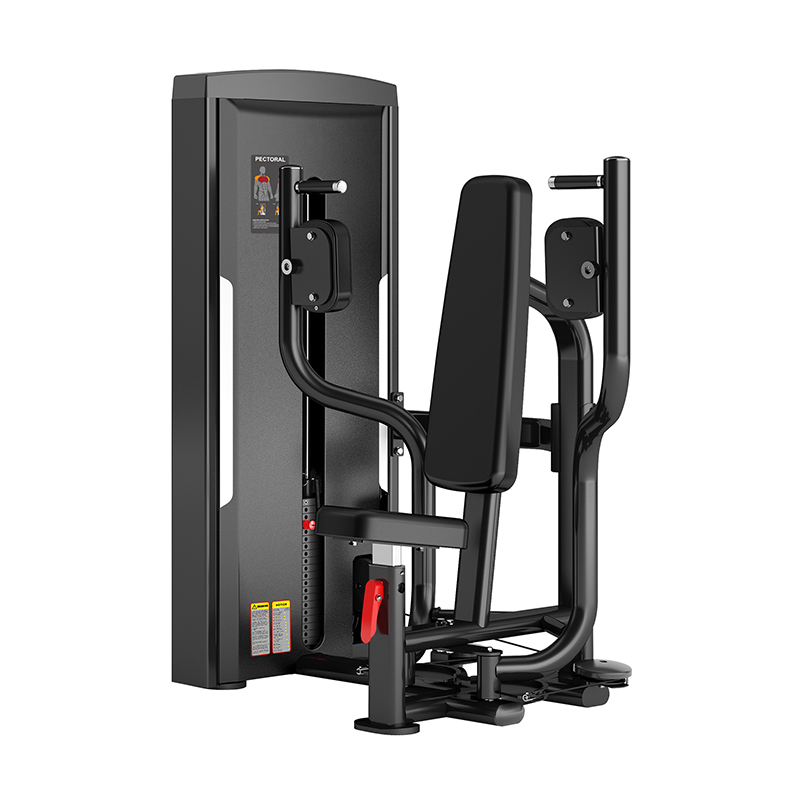
If you have set fitness goals, one common question always comes up: cardio vs strength training, which one should you prioritize? Many fitness beginners fall into two extremes. Some spend hours on treadmills or elliptical machines, believing steady‑state cardio is the fastest way to get in shape. Others lift weights non‑stop and ignore heart‑pumping aerobic movement completely. The truth is neither approach works for most ordinary people. Understanding their unique benefits and matching them to your personal goals is the key to sustainable fitness progress.

Cardio exercise focuses on raising your heart rate for a continuous period. Running, cycling, swimming, brisk walking and jumping rope all belong to this category. Its most well‑known advantage is supporting cardiovascular health. Regular cardio strengthens your heart muscle, improves blood circulation and boosts lung capacity. It also burns a noticeable number of calories during the workout session, which makes it popular among people aiming for weight management. Besides physical gains, moderate cardio releases endorphins that ease daily stress and improve sleep quality. However, pure long‑time cardio has clear downsides. Without resistance stimulus, you may gradually lose muscle mass over time. Lower muscle mass slows down resting metabolism, meaning your body burns fewer calories even at rest. This explains why some people do plenty of cardio yet hit a frustrating weight‑loss plateau.
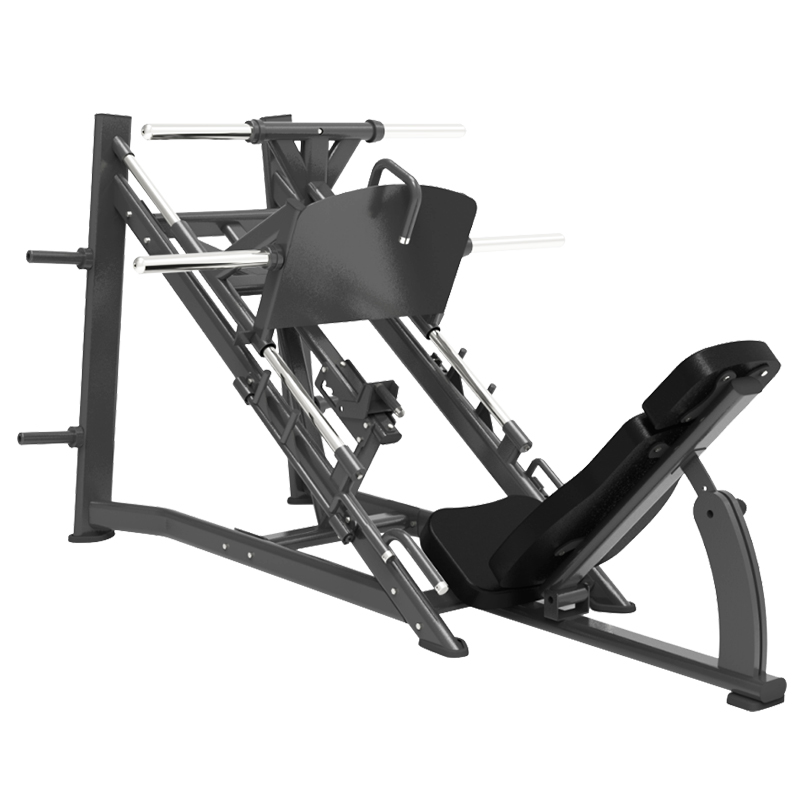
Strength training, also called resistance training, uses dumbbells, barbells, gym machines or even your own body weight to challenge muscle groups. Squats, push‑ups, deadlifts and shoulder presses are typical examples. Its core value lies in building and preserving lean muscle tissue. More muscle raises your basal metabolic rate. Even when you sit or sleep, a muscular body consumes more energy. This effect delivers long‑term fat‑management results that cardio alone cannot match. Strength training also improves bone density, joint stability and overall body posture. It reduces age‑related muscle loss, keeping your body functional as you grow older. Still, strength training is not perfect. Calorie burn during lifting sessions is relatively lower compared to cardio. If you only do resistance work without any aerobic movement, your cardiovascular endurance may stay underdeveloped.
So which one deserves priority? The answer heavily depends on what you want to achieve. If your main target is heart health or quick calorie burn for a short‑term event, you can place slightly more focus on cardio. If you hope to reshape body figure, maintain metabolism and prevent muscle decline, strength training deserves higher priority. For most general‑fitness enthusiasts, combining both delivers the best outcome. A practical weekly plan could include two to three strength sessions paired with one to three moderate cardio workouts. You can arrange them on separate days, or do strength first followed by short cardio within one training session.
Many new gym‑goers make the mistake of choosing only one training style. No single workout type solves all fitness needs. Prioritization does not mean completely cutting out the other form of exercise. Assess your current physical condition, clarify your real goals, and build a balanced routine. Balancing cardio and strength training will bring you better physical shape, stronger body functions and long‑lasting fitness results.