Many people hit the gym and stick to strict diets for fat loss, only to face a frustrating result: body fat goes down, but precious muscle mass also fades away. This is a common mistake in weight‑loss journeys. Losing muscle slows your basal metabolic rate, making you more likely to rebound and gain fat again. The goal of smart fitness is fat loss, not weight loss at all costs. You can burn fat and hold onto muscle if you follow several key rules.
First, avoid extreme calorie deficits. A huge calorie cut is the top cause of muscle loss during fat loss. When your body gets far fewer calories than it needs, it will break down muscle tissue for energy besides using stored fat. For sustainable fat loss, keep your calorie deficit moderate. Aim for 300‑500 calories below your daily maintenance level. Rapid weight loss over one kilogram per week usually means significant muscle loss. Slow, steady progress offers far better long‑term results.
Second, eat enough high‑quality protein. Protein supplies amino acids to repair and maintain muscle. Without sufficient protein, your body cannot preserve muscle even with regular training. For people doing resistance training, consume 1.6‑2.2 g of protein per kilogram of body weight every day. Spread protein intake across three to five meals throughout the day, instead of eating most protein in one single meal. Good sources include lean meat, fish, eggs, dairy and plant‑based protein products. Do not cut protein intake just to lower total calories.
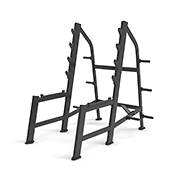
Third, keep resistance training as your core workout. Cardio burns calories and helps fat loss, but too much long‑duration cardio without strength work will eat away muscle. During fat‑loss phases, do not drop your weight‑training volume drastically. Keep lifting weights, maintain proper load and complete enough sets and reps. Focus on compound movements such as squats, bench presses, rows and deadlifts. These multi‑joint exercises stimulate large muscle groups effectively. Cardio can serve as an assistant tool; prioritize strength training if you want to retain muscle.
Fourth, manage rest and recovery well. Muscle grows and repairs during rest, not inside the gym. Sleep deprivation raises stress‑hormone levels, which accelerates muscle breakdown. Try to get 7‑9 hours of quality sleep each night. Arrange rest days reasonably; do not train the same muscle group every day. Also, do not push yourself to exhaustion all the time when calories are limited. Overtraining under calorie deficit speeds up muscle loss.
Finally, adjust your expectation. Body weight will still drop, but you should value body composition more than numbers on the scale. If strength performance stays stable, it is a strong sign you are preserving muscle. Fat loss takes patience. Do not chase fast results at the cost of your muscle gains.