Many gym-goers and home fitness enthusiasts ask whether an elliptical or rowing machine delivers faster fat loss, particularly targeting stubborn lower abs, glutes, and leg areas. It is critical to clarify one fitness principle first: spot reduction is not possible. No cardio machine can melt fat exclusively from your lower belly or glutes. Fat loss happens across your whole body when you maintain a consistent calorie deficit, while targeted muscle activation helps tone these areas as fat fades. Both devices are low-impact cardio staples, yet they differ greatly in muscle recruitment, calorie expenditure, and how well they engage your lower abs, glutes, and legs.

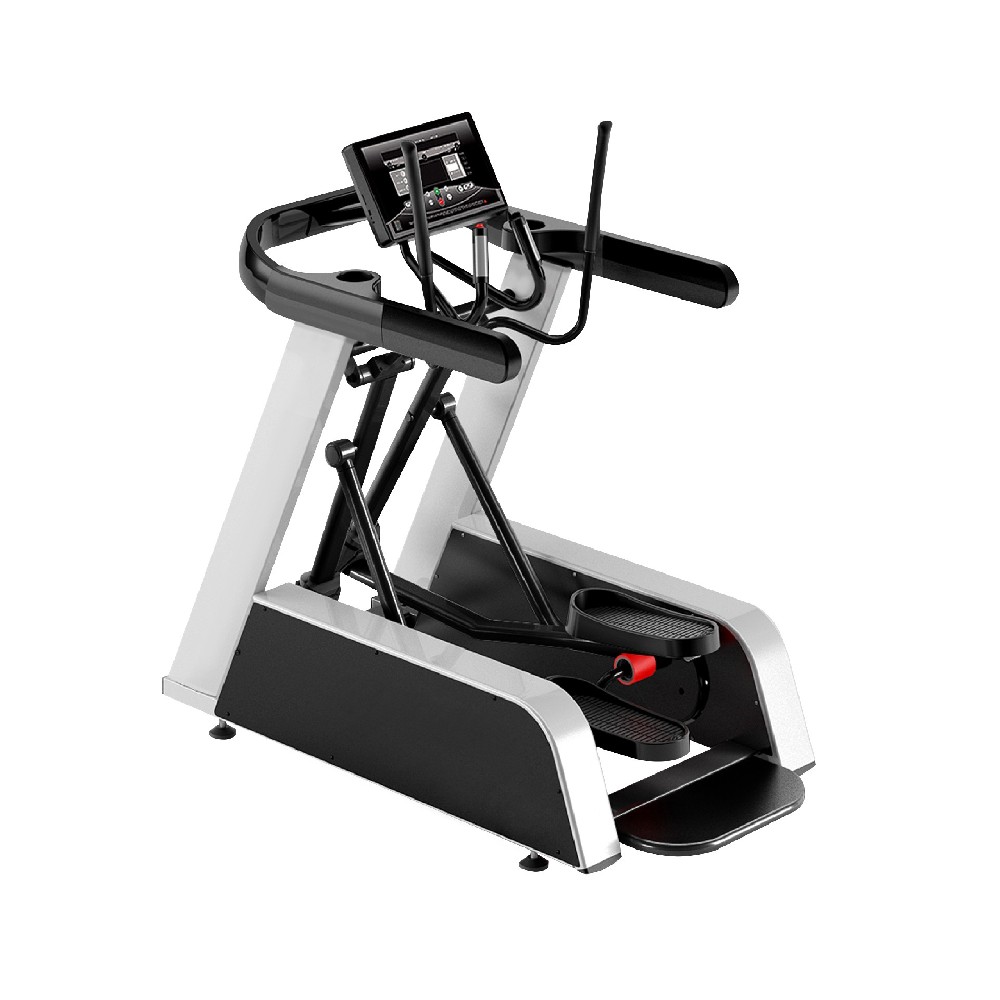
The elliptical trainer focuses heavily on lower-body muscles, making it a simple option for steady cardio. When you push through the pedals, your quads, hamstrings, calves, and glutes activate continuously. Raising the incline and resistance significantly boosts glute and hamstring engagement, while holding the moving handles lightly adds minor core work to stabilize your torso. However, the elliptical’s smooth, momentum-assisted motion means your lower abs do not receive deep, repeated contraction. Most users can sustain long elliptical sessions easily, which is ideal for beginners, people recovering from joint pain, or anyone who prefers low-effort steady-state cardio. A moderate one-hour elliptical workout typically burns 300 to 500 calories for an average adult.
The rowing machine stands out for full-body engagement, with roughly 60% of power coming from your legs and glutes, 20% from your core, and 20% from upper-body pulling. Every full stroke forces your lower abs to brace tightly to transfer force from your legs to your back and arms. This constant isometric contraction of the deep core and lower abdominal muscles is its biggest advantage for toning the midsection. Glutes fire hard during the leg drive phase, and quads, hamstrings, and calves work through the full range of motion. Thanks to more muscle groups working at once, rowing delivers higher calorie burn and stronger EPOC (afterburn effect). A moderate one-hour row can burn 400 to 650 calories, and HIIT rowing sessions amplify fat-burning benefits further. The main downside is the learning curve; poor rowing form reduces core and glute activation and raises strain on the lower back.
So which should you pick for your goal of leaner lower abs, glutes, and legs? If your priority is consistent, sustainable cardio with solid glute and leg toning and minimal technique to master, choose the elliptical. It is kinder to knees and simple to add to daily routines. If you want greater overall calorie burn, meaningful lower abdominal engagement, and simultaneous glute and leg shaping, the rowing machine is the superior choice, provided you learn proper stroke form.
For the best results, combine either machine with basic strength training for glutes and core and stick to a balanced diet to maintain a calorie deficit. Many fitness lovers alternate between both machines to avoid workout plateaus while hitting the lower-body and core muscles from different angles.