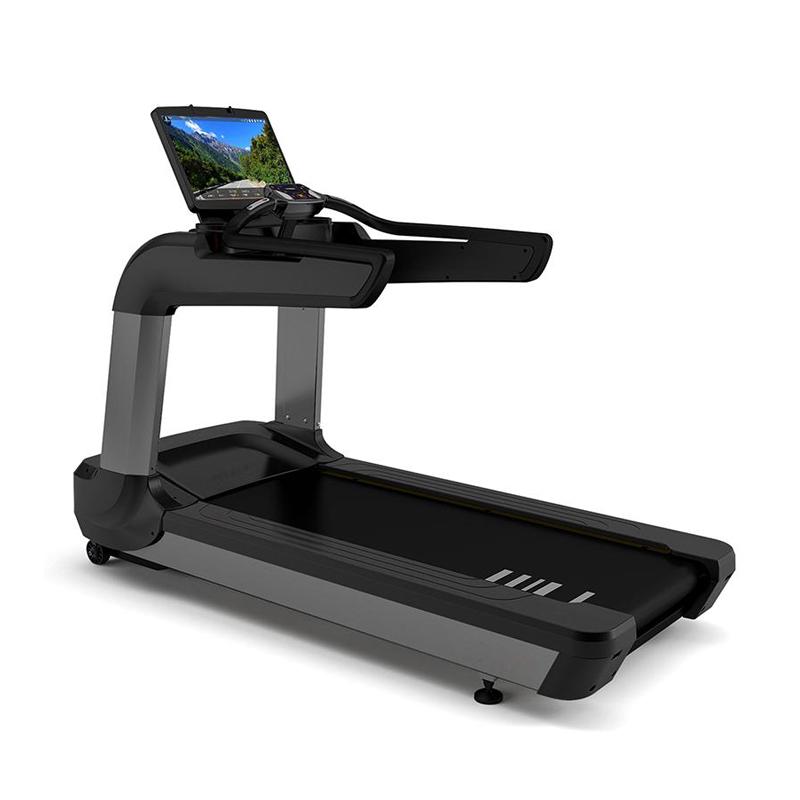
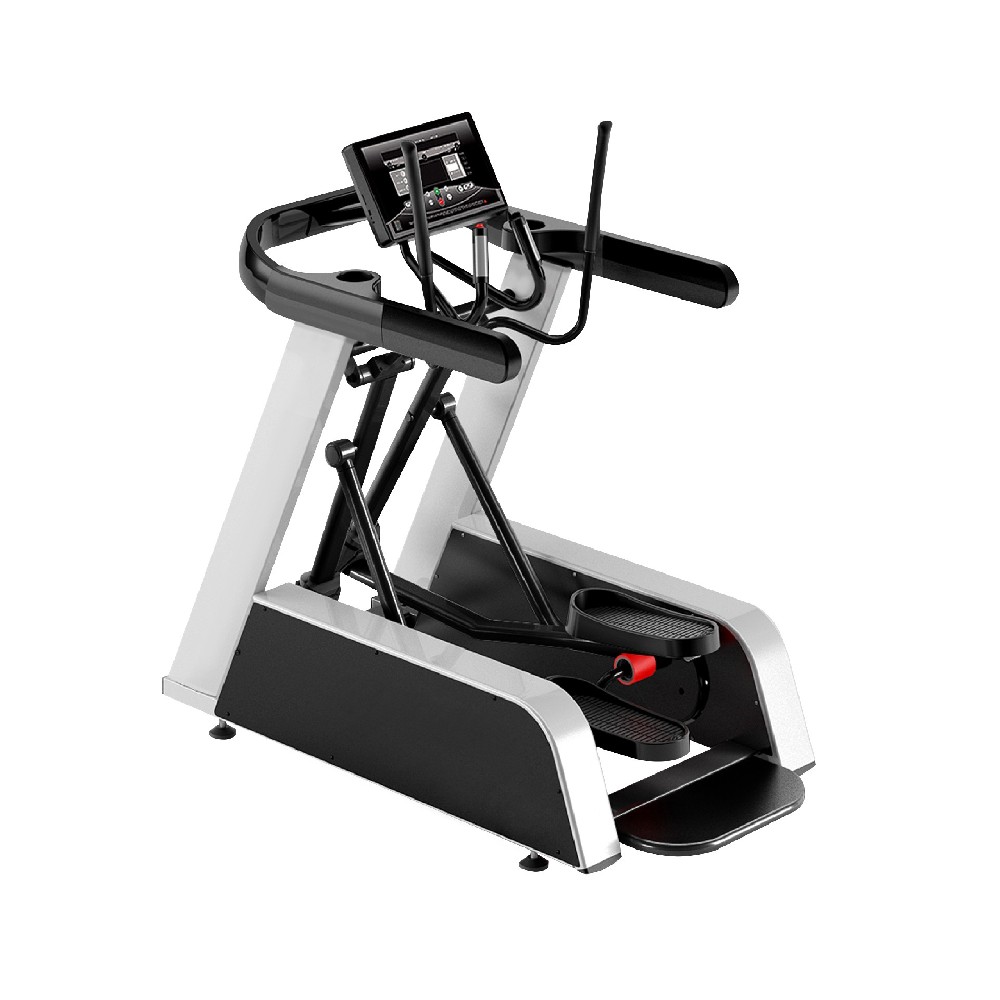
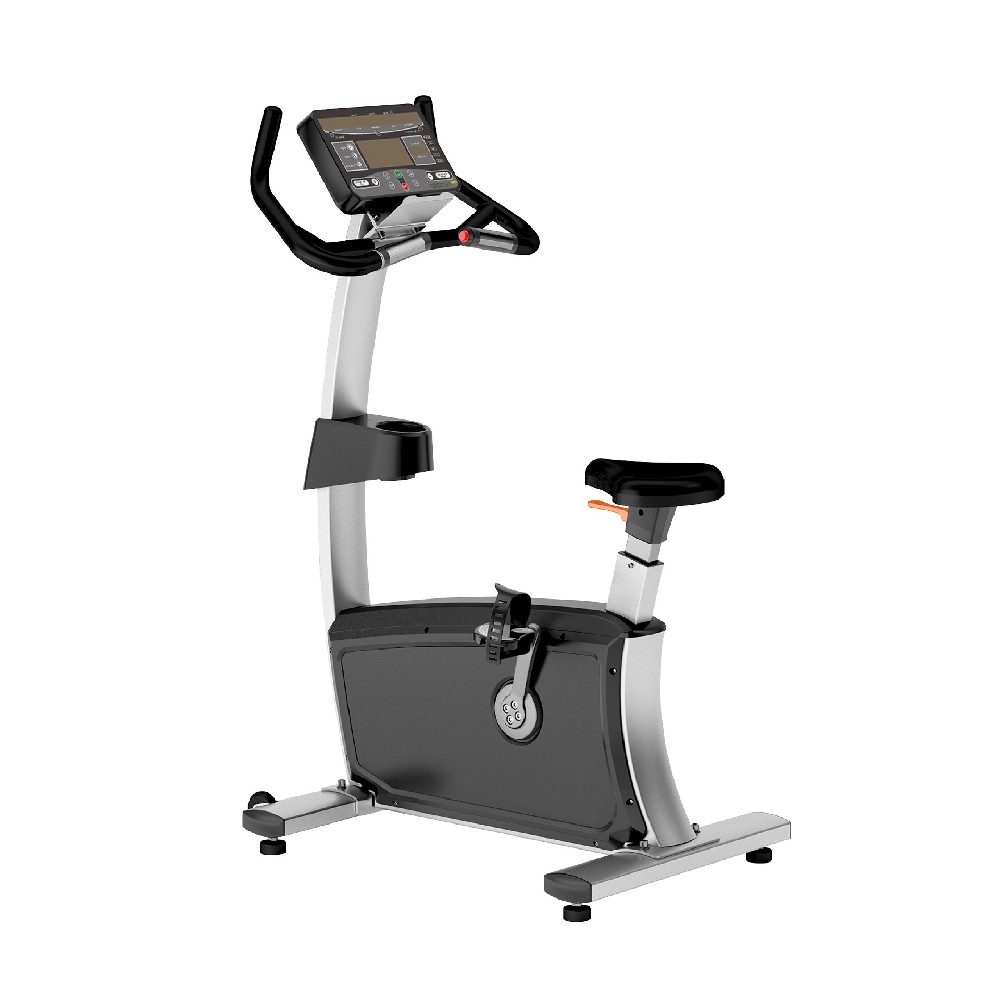
Many gym‑goers question whether elliptical trainers deliver real workout results. Is this low‑impact cardio machine powerful enough for fat loss, or is it just easy “gym cruising”? How big is the performance gap between elliptical sessions and traditional running? This article breaks down elliptical intensity, calorie‑burn potential, and key differences versus running to help you pick the right cardio for your goals.

First, elliptical intensity is not fixed. Its output heavily depends on resistance level, incline setting, stride speed, and whether you actively push and pull the moving arm handles. Many users fall into low‑effort habits: keeping resistance low, leaning passively, and letting pedals move their feet. Under those conditions, heart rate stays mild, calorie burn is limited, and progress stalls. When you ramp up resistance, maintain upright posture, and engage both upper and lower body, you can reach moderate‑to‑high cardio intensity that elevates heart rate into the classic fat‑burn and cardio zones (60‑80% of your maximum heart rate).
So can elliptical training support fat loss? Yes, but with realistic expectations. Weight loss always relies on overall calorie deficit, not the machine itself. For a 155‑lb average adult, steady moderate elliptical work burns roughly 220‑320 calories within 30 minutes. With higher resistance and interval bursts, that number climbs significantly. Research shows consistent elliptical workouts 3‑5 times weekly can produce steady fat reduction over 8‑12 weeks, especially paired with sensible eating habits. Since it creates minimal joint shock, many people can sustain longer sessions compared to high‑impact exercise, which adds to total weekly calorie expenditure.
How does it stack up against running? Running is a weight‑bearing activity. At matched perceived effort, jogging or running generally burns more calories per minute. A 155‑lb person running at moderate pace burns approximately 288‑360 calories over 30 minutes. Running delivers higher peak energy expenditure and stronger bone‑loading benefits. However, running puts noticeable stress on knees, ankles and hips, raising injury risk for heavier individuals, beginners, or those recovering from joint pain.
The elliptical’s biggest advantage is low‑impact movement. Your feet never leave the pedals, so there is no hard landing force. While its absolute maximum calorie burn seldom beats all‑out running, well‑executed elliptical training can close much of that gap. Interval training‑‑alternating short high‑resistance bursts with active recovery‑‑is one proven way to boost elliptical intensity, improve VO2 max, and trigger post‑workout calorie afterburn effects.
Which option should you choose? Pick running if you want maximum calorie burn in short time and have healthy joints. Choose elliptical if joint safety, longer sustainable sessions, and full‑body engagement are priorities. Remember: equipment matters far less than your actual effort. You can get poor results running lazily and great results pushing hard on an elliptical.
Final takeaway: The elliptical absolutely supports fat loss when used with proper intensity. It will not perfectly mirror running output, yet it is a highly practical cardio alternative for long‑term fitness, especially for joint‑sensitive users. Adjust resistance, keep good form, build consistency, and align training with your nutrition to hit your weight‑management targets.