Many gym-goers struggle with uneven chest development, such as flat upper pecs, weak inner chest definition, or underdeveloped lower chest. Training random exercises without a structured plan often leads to slow progress and unbalanced muscle growth. The good news is you do not need dozens of movements to build a complete chest. This golden set of five chest exercises hits the upper, middle, lower and inner pectoral fibers, delivering comprehensive muscle stimulation for a thick, balanced chest shape suitable for beginners and intermediate lifters alike.

The first movement is the flat barbell bench press, the foundational compound lift for overall chest mass. Lie flat on a bench, grip the bar slightly wider than shoulder-width, brace your core and squeeze your shoulder blades back. Lower the bar slowly toward your mid-chest, then press upward explosively. This exercise loads the entire pectoralis major, builds raw strength and supports long-term muscle growth. Aim for 4 sets of 6–8 reps with controlled tempo, and use a spotter when lifting heavy weights for safety.
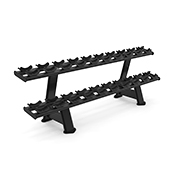
Second, the incline dumbbell press targets the upper chest, a common weak point for most trainees. Set the bench to 30–45 degrees; a steeper angle shifts tension to the shoulders instead of pecs. Hold dumbbells above your upper chest, lower them down and out, then press back together. Dumbbells allow a wider range of motion and balanced muscle activation on both sides. Complete 3 sets of 8–10 reps to fill out the upper chest and create a fuller upper-body silhouette.
Third, chest-focused weighted dips prioritize the lower chest fibers. Lean your torso forward as you dip, keep elbows flaring slightly outward, and avoid staying upright, which emphasizes triceps instead. Advanced users can attach a weight belt for extra resistance. Lower until you feel a deep stretch across the chest, then push upward. Perform 3 sets of 8–12 reps to add thickness to the bottom of your pecs.
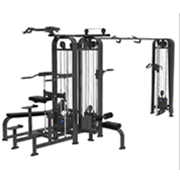
Fourth, cable chest fly isolates the inner chest and maintains constant muscle tension throughout the movement. Set two cable pulleys at chest height, hold handles with a slight elbow bend, and bring your hands together in front of your sternum. Squeeze your chest hard at the midpoint for one second before slowly returning. Do 3 sets of 12–15 reps to improve chest separation and definition that heavy pressing cannot achieve alone.
The fifth movement is standard push-ups, a versatile accessory exercise to boost chest endurance and reinforce proper pressing patterns. Keep your body in a straight line from head to heels, lower until your chest nearly touches the floor, then push up steadily. If full push-ups feel too hard, use knee push-ups as a modification. Finish 3 sets to increase training volume without extra equipment stress.
To maximize gains, follow key training principles. Prioritize controlled form over heavy weight, because sloppy technique shifts load to shoulders and triceps and raises injury risk. Gradually increase weight or reps weekly for progressive overload, the core rule of muscle hypertrophy. Pair this workout with sufficient protein intake and rest periods, as muscle repair happens outside the gym. Train chest once or twice weekly with at least 48 hours of recovery between sessions.
This five-movement chest routine covers every section of your pectoral muscles with a smart mix of compound pressing and isolation work. Instead of overcrowding your workout with unnecessary variations, stick to these proven lifts consistently. Over several months, you will notice improved thickness, balanced proportions and a defined full chest outline that enhances your overall physique.