For many people, getting into fitness can feel overwhelming. Social media feeds are filled with complex routines, new exercise variations, and advice that changes every week. If you have ever felt like you need a long list of exercises to see results, you are not alone. The good news is that effective training does not have to be complicated. In fact, focusing on a small number of proven movements can often deliver better results than jumping between dozens of different exercises.

The principle is simple: do not confuse movement variety with effectiveness. The most efficient workouts are built around compound exercises. These are movements that engage multiple muscle groups at the same time. They require more energy, build more strength, and create more functional stability than isolated exercises. For most people, especially those training at home or with limited equipment, three foundational movements are enough to build a strong, balanced body.
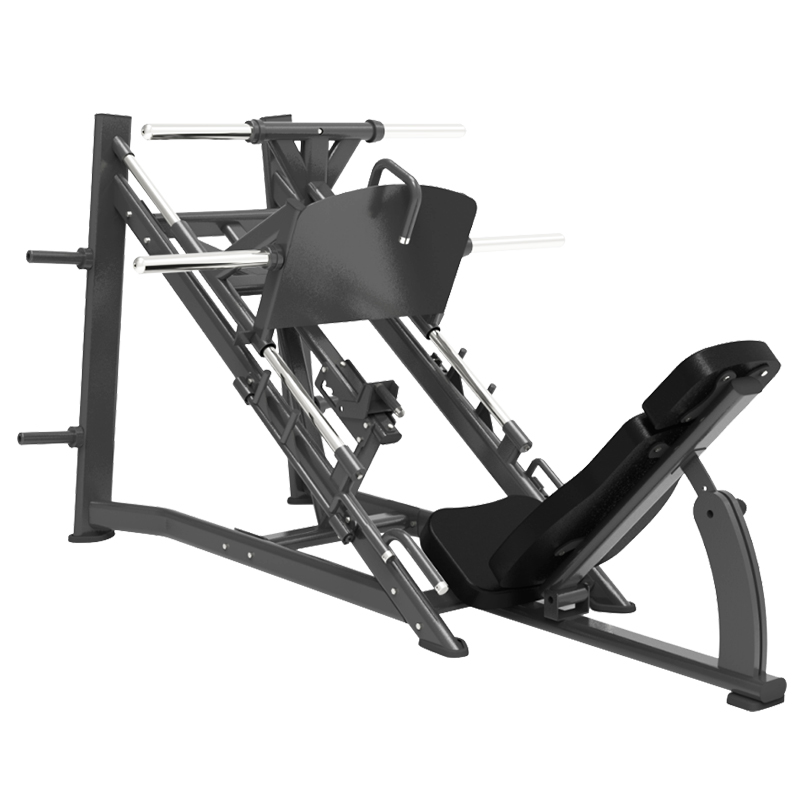
The first golden move is the squat. Squats target the legs, glutes, core, and lower back. They are one of the most natural human movements, and they translate directly to daily life. Getting up from a chair, climbing stairs, and lifting heavy objects all depend on the strength you build through squats. To perform them correctly, start with your feet shoulder-width apart. Keep your chest up, lower your hips back as if sitting into a chair, and bend your knees until your thighs are roughly parallel to the floor. Then push through your heels to return to standing. If you are new to squats, begin with bodyweight squats before adding dumbbells, kettlebells, or a barbell.
The second essential move is the push-up. Push-ups work the chest, shoulders, triceps, and core. They require no equipment, and you can adjust them to match your current level. Beginners can start with their knees on the floor or hands placed on a bench. More advanced trainees can elevate their feet or add variations such as diamond push-ups. The key is not to rush. Keep your body in a straight line from head to heels, lower your chest slowly toward the floor, and push back up with control. Over time, push-ups build upper-body strength and core stability without requiring a gym membership.
The third golden move is the hip hinge, most commonly performed as the deadlift or Romanian deadlift. This movement strengthens the posterior chain, including the hamstrings, glutes, lower back, and upper back. Many people neglect this area, but it is critical for posture, injury prevention, and overall strength. To do it safely, start with a light weight. Hinge at your hips, keep your knees soft, and lower the weight along the front of your legs until you feel a stretch in your hamstrings. Then squeeze your glutes and return to standing. Never round your back, and do not rush the movement.
These three movements cover the most basic human patterns: squatting, pushing, and hip hinging. Together, they train nearly every major muscle group in the body. A simple full-body workout could look like this: three sets of squats, three sets of push-ups, and three sets of hip hinges. Aim for 8 to 12 repetitions per set if your goal is general strength and conditioning. If you are short on time, you can even perform them as a circuit, moving from one exercise to the next with minimal rest.
The biggest mistake people make is thinking more exercises equal better results. Consistency matters far more than variety. Mastering three fundamental movements will give you a stronger foundation than constantly switching between trendy routines. Over time, you can increase reps, add weight, or make the movements more challenging. But you do not need a complicated program to get started.
Fitness does not have to be expensive, time-consuming, or confusing. By focusing on quality over quantity, you can build strength, improve mobility, and create a sustainable training habit. Start