Staying physically active plays a vital role in healthy ageing for older adults. Regular gym‑based exercise helps maintain muscle strength, improves balance, supports joint mobility, lowers fall risks and boosts cardiovascular health. Yet many seniors feel confused when facing countless gym machines. Not all fitness gear suits ageing bodies; high‑impact equipment can strain knees, hips and the lower back. Choosing senior‑friendly gym equipment focused on comfort, stability and low‑impact movement makes fitness accessible and safe for older adults of all mobility levels.

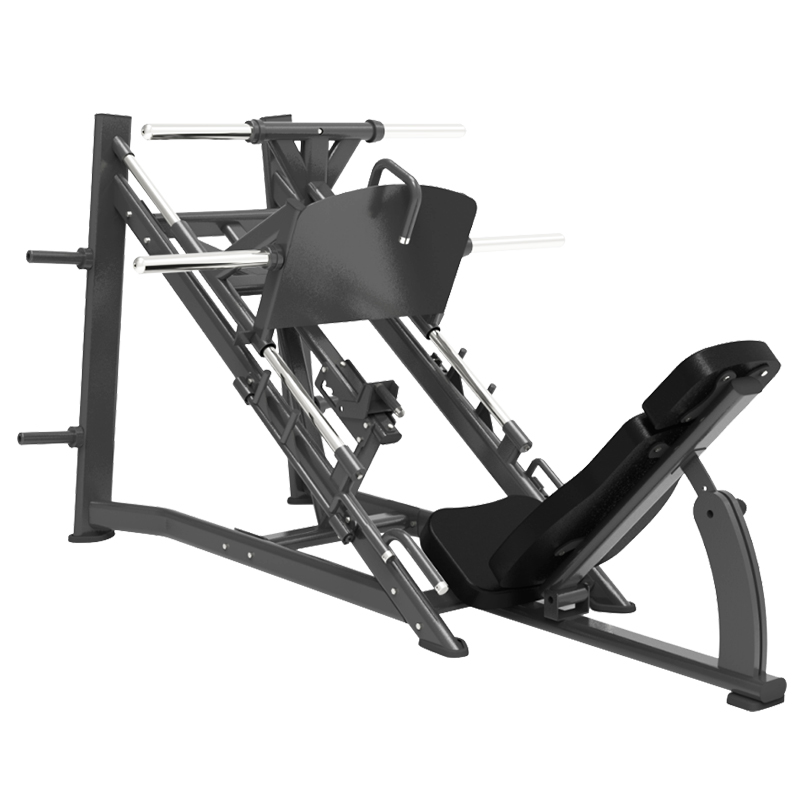
When picking gym equipment for seniors, three core features deserve priority. First, low‑impact movement that minimises joint stress. Second, stable handrails, supportive seating and easy step‑on access to reduce falling hazards. Third, smooth adjustable resistance settings, so users can start gently and increase intensity gradually without sudden jerky tension. Avoid machines requiring deep knee bends or complicated operations.
The recumbent bike ranks as one of the most popular gym cardio machines for seniors. Its reclined padded seat with full back support relieves pressure on lumbar spine, knees and hip joints compared with standard upright bikes. Seniors can complete steady cardio workouts while seated securely. Magnetic resistance levels allow slow, controlled leg movement to build endurance and blood circulation. It works well for people living with arthritis, mild back discomfort or limited lower‑body strength.
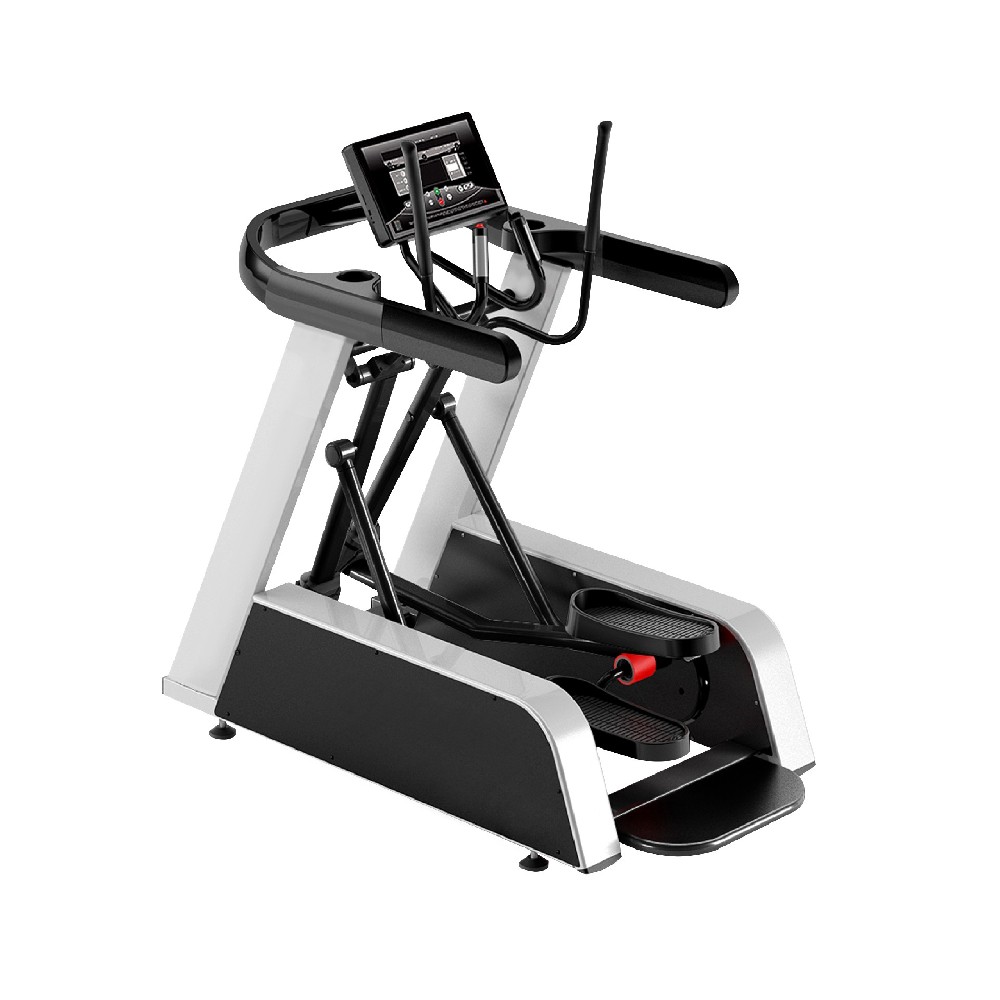
Another excellent cardio option is the elliptical trainer. This machine creates smooth gliding motion without hard foot‑floor impact, simulating walking or jogging with zero pounding on joints. Built‑in handlebars support full‑body exercise and extra balance assistance. Older adults can adjust resistance speed according to daily energy levels. Consistent elliptical sessions help preserve bone density and improve coordination, which directly supports fall prevention for seniors.
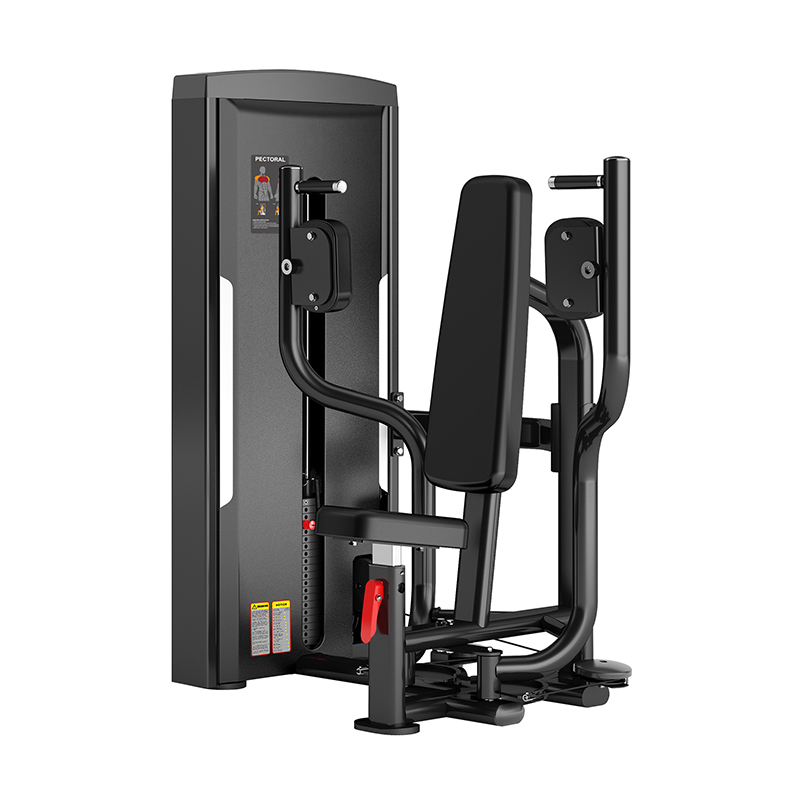
For strength training, seated weight machines are far safer than free heavy dumbbells for most older gym‑goers. Seated strength stations guide movement through fixed tracks, lowering wrong‑form injury risk. Seniors can target legs, shoulders, chest and back with light resistance to maintain functional muscle mass needed for daily tasks such as climbing steps or carrying groceries. Resistance bands, easy to store inside gym studios, serve as great supplementary tools for gentle muscle work.
Seated rowing machines also deliver full‑body, low‑impact training. Users remain seated during the whole session, working back, arm and leg muscles in one flow. Always adjust straps and seat height before starting.
A few practical safety tips matter for older adults working out in gyms. Warm‑up for 5‑10 minutes before every session. Stay hydrated and stop immediately if you feel sharp pain, dizziness or joint discomfort. If you are new to gym exercise, consult your doctor first and ask gym trainers to show correct machine setup. Never push yourself to extreme fatigue.
Growing older does not mean giving up gym fitness. With recumbent bikes, ellipticals, seated strength machines and rowers, seniors can build stamina, keep mobility and enjoy better quality of life. Prioritise safety and comfort over intense performance, and small, consistent gym sessions will bring long‑term health rewards.