Many gym-goers spend hours working out each week but fail to see visible progress. The common issue is simple: they perform random exercises instead of targeting specific muscle groups with intentional movements. Targeted muscle training ensures efficient muscle growth, balanced strength development, better posture, and a lower risk of workout injuries. Whether you are a complete beginner or looking to break through fitness plateaus, this practical guide will help you train every major muscle group correctly.

Effective muscle targeting relies on two core rules. First, prioritize compound exercises as your foundation. These multi-joint movements engage multiple muscle groups at once, boosting overall strength and muscle volume efficiently. Second, add isolation exercises to activate lagging muscles, fix imbalances, and refine muscle definition. Pairing these two types of training creates the most balanced and results-driven workout routine.
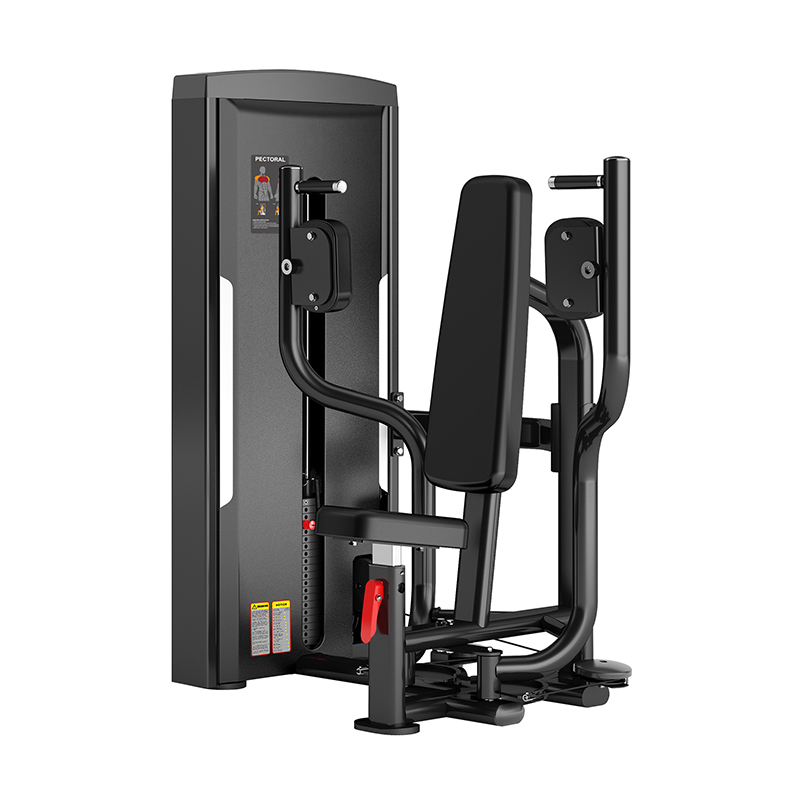
Your upper body consists of four key muscle groups: chest, back, shoulders, and arms. For the chest, barbell bench presses and dumbbell chest flyes are staple movements. Bench presses build overall chest thickness, while flyes stretch and activate the outer chest fibers for a fuller shape. Always control the movement and avoid arching your back excessively to keep tension on the chest muscles.
The back is often neglected but critical for good posture and upper-body strength. Pull-ups, lat pulldowns, and bent-over rows best target the lats, rhomboids, and lower back. A common mistake is pulling with your arms alone; focus on squeezing your shoulder blades together to fully engage back muscles and maximize growth.
For well-rounded shoulders, combine overhead presses, lateral raises, and rear delt flyes. Overhead presses build overall shoulder strength, lateral raises shape the side shoulders for width, and rear delt flyes fix rounded shoulder posture. Many people overtrain front shoulders, so prioritize rear delt work to avoid muscle imbalances.
Arm training focuses on biceps and triceps. Barbell curls and hammer curls effectively target biceps, while tricep dips and skull crushers activate triceps. Since triceps make up two-thirds of your arm mass, training them consistently is key to bigger, defined arms.
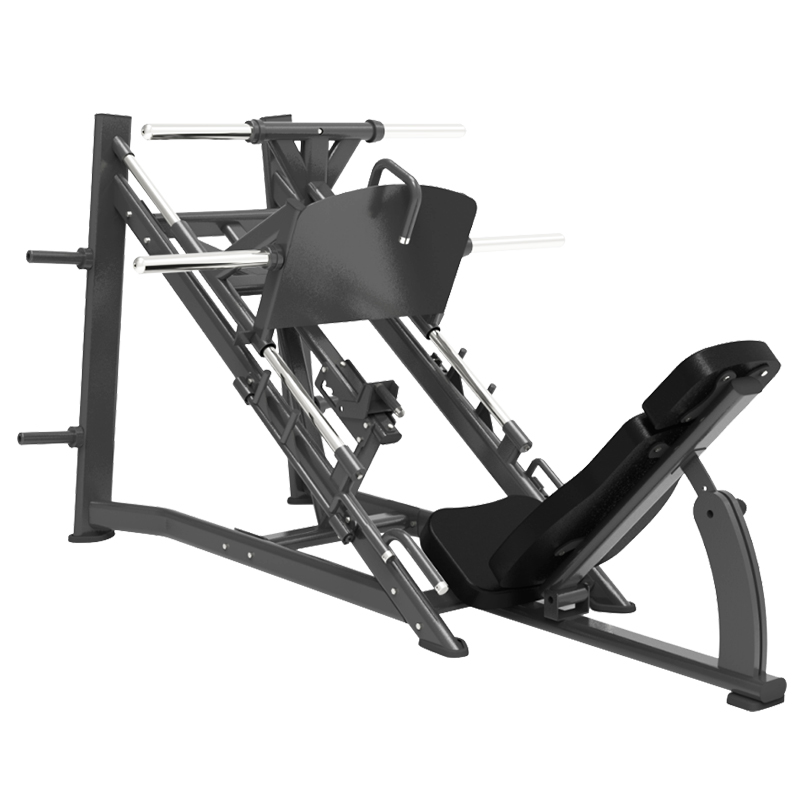
Lower body muscles drive overall body strength and stability. The quads, hamstrings, glutes, and calves form your lower body core. Back squats and leg presses are ideal for quad development, while Romanian deadlifts and lying leg curls target hamstrings deeply. For fuller, firmer glutes, hip thrusts outperform most basic leg exercises, as they isolate and maximize glute activation.
Do not overlook your core. Beyond basic crunches, effective core training prioritizes stability and anti-rotation movements. Planks, hanging leg raises, and Russian twists engage the entire abdominal wall and lower back, building functional core strength rather than just surface-level ab definition.
A final key tip for muscle targeting is proper rest and progressive overload. Muscles grow during recovery, not workouts. Give each muscle group 48 hours of rest before retraining it, and gradually increase weight, reps, or sets over time. Consistent, targeted training always beats long, unfocused gym sessions.
By mastering targeted muscle group training, you turn every workout into purposeful progress. Stick to structured movements, fix muscle imbalances, and train consistently to build a stronger, fitter, and more symmetrical physique.