Chronic low-grade inflammation is often called a “silent killer.” It lingers in the body without obvious symptoms, yet it gradually raises the risk of heart disease, type 2 diabetes, joint pain, and metabolic disorders. While diet and sleep play key roles in calming inflammation, regular exercise stands out as one of the most accessible, science-backed natural remedies. Unlike quick-fix treatments, consistent physical activity rewires your body’s immune response to reduce persistent inflammation long-term.

Many people mistakenly believe exercise only benefits weight management or muscle growth. In fact, every time you move your body, your skeletal muscles act as an endocrine organ, releasing beneficial proteins called myokines. These powerful compounds work to suppress pro-inflammatory cytokines that trigger chronic swelling and tissue irritation, while boosting anti-inflammatory molecules that repair cellular damage. This natural bodily response makes exercise a core part of any anti-inflammatory lifestyle.
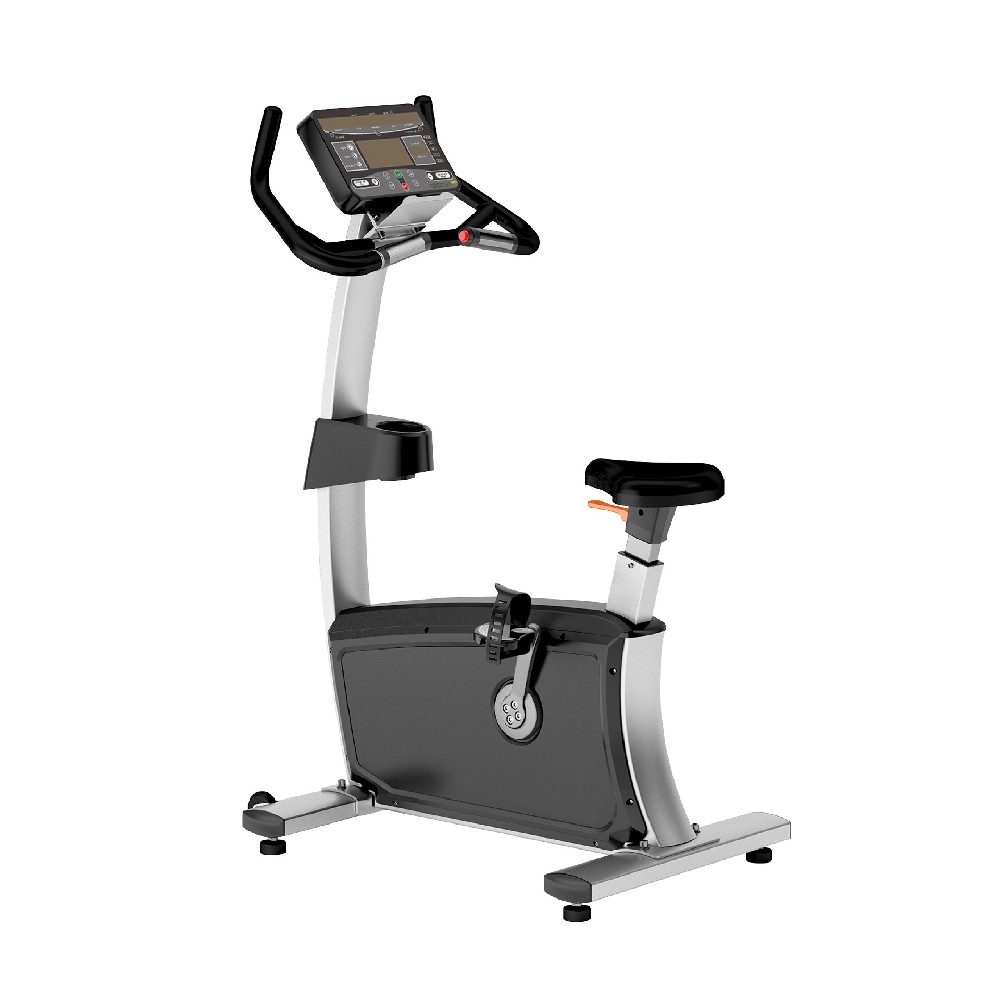
To fight inflammation effectively, prioritize moderate-intensity aerobic exercise as your daily foundation. Health experts universally recommend 150 minutes of moderate aerobic activity weekly, equaling 30 minutes a day for five days. Brisk walking, steady cycling, swimming, and light jogging are all ideal options. This level of movement boosts blood circulation, improves insulin sensitivity, and lowers key inflammatory markers like C-reactive protein (CRP) and IL-6. The best part is its sustainability; low-impact moderate exercise avoids straining the body and delivers steady anti-inflammatory results.
Strength training is another vital piece of the puzzle often overlooked for inflammation control. Regular resistance workouts, including bodyweight exercises, dumbbell lifts, and band training, build lean muscle mass. More muscle tissue enhances metabolic function and reduces fat accumulation, a major driver of chronic inflammation. Aim for two full-body strength sessions weekly, focusing on major muscle groups. Even 20 to 30 minutes per session can significantly stabilize your body’s inflammatory balance over time.
While high-intensity interval training (HIIT) offers anti-inflammatory perks, it requires careful moderation. Short bursts of intense exercise trigger rapid anti-inflammatory adaptations, but excessive HIIT without proper recovery causes temporary tissue stress and elevated inflammation. Limit HIIT to one or two sessions weekly, and always pair it with rest days to let your body repair and adapt.
A common mistake people make is overtraining. Excessive daily workouts without recovery disrupt hormone levels and heighten inflammation instead of reducing it. Active recovery is essential: gentle stretching, yoga, and slow walking on rest days maintain blood flow, reduce muscle stiffness, and support ongoing inflammation reduction. Quality sleep paired with regular movement amplifies these benefits, as most immune and inflammatory repair happens during rest.
In conclusion, exercise is a natural, drug-free way to reverse chronic inflammation and boost overall health. A balanced routine of daily moderate cardio, weekly strength training, and mindful recovery creates lasting anti-inflammatory effects. Small, consistent movement choices beat sporadic intense workouts. By building this simple exercise habit, you can calm internal inflammation, protect your long-term health, and feel more energetic every day.