If you walk into any commercial gym, you will see lifters chasing wildly different goals under the same barbell. Many fitness beginners mix up bodybuilding, powerlifting and Olympic weightlifting, mistakenly believing they are interchangeable weight training styles. In reality, these three iconic fitness disciplines follow separate competition rules, training logic, nutrition plans and evaluation standards. This complete breakdown clarifies their core differences to help you pick a training style matching your personal fitness targets.

1. Bodybuilding: Sport of Aesthetic Physique
The ultimate goal of bodybuilding is not raw strength, but symmetrical, well-defined muscle aesthetics judged by professional panels on stage. Competitors are scored on muscle mass, proportional balance, muscle separation, low body fat conditioning and overall physique harmony, not how much weight they can lift.
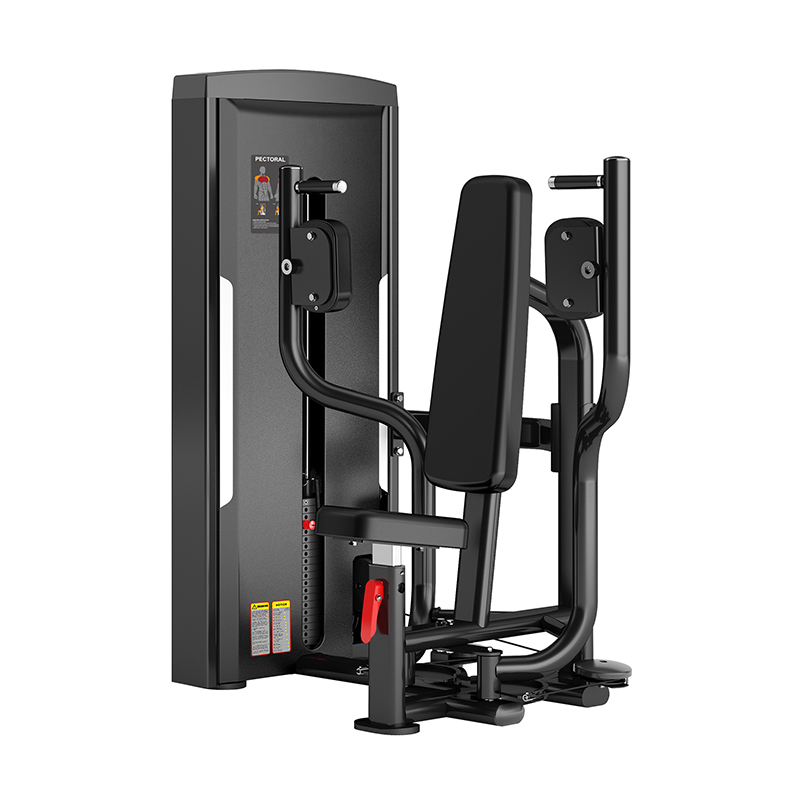
Bodybuilding training centers on hypertrophy (muscle growth). Standard rep ranges sit at 8–12 reps per set with moderate loads, paired with high training volume and isolation moves targeting single muscle groups such as bicep curls, lateral raises and leg extensions. Lifters use split routines to hit each muscle group once or twice weekly, prioritizing time under tension to maximize muscle micro-tears and growth.
Nutrition is the backbone of competitive bodybuilding. Athletes follow strict calorie cycles: bulking phases for muscle gain and cutting phases to strip fat for stage leanness. Unlike strength-focused sports, bodybuilders sacrifice short-term maximal strength for visual muscle shape.
2. Powerlifting: Sport of Raw Maximal Strength
Powerlifting is the simplest strength sport, built around three foundational lifts only: back squat, bench press and deadlift, known as “the Big Three”. Competitors get three attempts per lift to hit their heaviest single rep (1RM), with final rankings determined by total combined weight of all three successful lifts.
Training leans into ultra-heavy weights and low rep schemes (1–5 reps per set) to boost central nervous system capacity for brute force. Volume stays low to avoid overtaxing the nervous system, with accessory work limited to reinforcing the three core lifts rather than sculpting individual muscles. Powerlifters prioritize sturdy gear—weight belts, knee wraps and bench shirts—to support record-breaking heavy loads.
Nutrition focuses on calorie surplus to fuel heavy lifting and recovery. Body fat levels are rarely restricted, as extra weight often translates to greater lifting totals. Judges never care about muscle definition; only the number on the bar matters.
3. Olympic Weightlifting: Sport of Explosive Technical Power
Often shortened to “weightlifting” globally, this Olympic sport relies entirely on two dynamic, full-body lifts: snatch and clean and jerk. Unlike slow powerlifting movements, these lifts demand lightning-fast coordination, mobility and explosive power to hurl the bar overhead in continuous fluid motion.
Every training session prioritizes technical mastery above all else. Lifters drill movement patterns repeatedly with light-to-moderate weights to refine timing, balance and hip/knee coordination, paired with plyometrics and mobility drills for deep squat overhead positions. Rep ranges shift between 1–3 for max attempts and 3–6 for technical work, blending speed and strength instead of pure load or muscle size.
Body composition balances lean muscle and athletic mobility. Excess bulk restricts joint flexibility required for overhead receiving positions, so weightlifters maintain moderate muscle mass with low, functional body fat. Judges score solely on valid, completed overhead lifts, with failed attempts due to poor technique eliminated instantly.
Final Key Takeaways to Choose Your Path
Pick bodybuilding if you want a sculpted, balanced, low-fat physique.
Pick powerlifting if your goal is to lift the heaviest possible raw weight.
Pick Olympic weightlifting if you crave explosive athleticism and full-body coordination.
All three disciplines build fitness and strength, but their core missions separate their training journeys. Knowing these critical distinctions lets you design a targeted workout routine without wasting effort on mismatched fitness objectives.