If you rely purely on smartwatch numbers to track fat loss, you may misunderstand how your body burns calories during workouts. Many gym-goers overestimate exercise calorie burn and struggle with slow weight loss results. This science-backed fitness guide breaks down how exercise consumes calories, reveals key factors affecting your personal expenditure, and corrects common calorie-burning misconceptions to help you master your energy balance.

First, clarify the three core parts of your total daily energy expenditure (TDEE): resting metabolism (calories burned while resting), non-exercise activity thermogenesis (NEAT, like walking, cleaning or stair climbing), and workout calorie burn. Planned exercise only accounts for 15% to 30% of your daily calorie output for most people. Even a 60-minute cardio session rarely burns over 500 calories for average adults, far less than the 700–900 values many fitness trackers display.
Multiple variables decide your real workout calorie burn. Body weight is the most obvious factor: heavier individuals move more mass and burn more calories with identical movements. Muscle mass also plays a huge role—muscle tissue consumes more energy at rest than fat, so regular strength training lifts your baseline calorie burn long after your gym session ends via EPOC (excess post-exercise oxygen consumption). Workout intensity and form matter equally: lazy, low-effort repetitions cut calorie expenditure by 20% to 30% compared to full-range, high-tension movements.
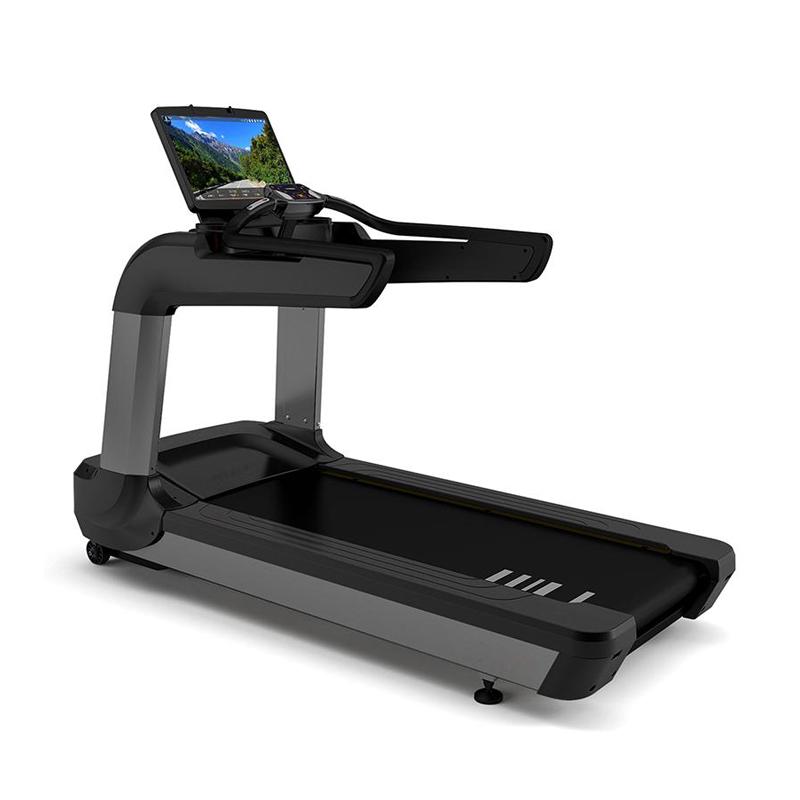
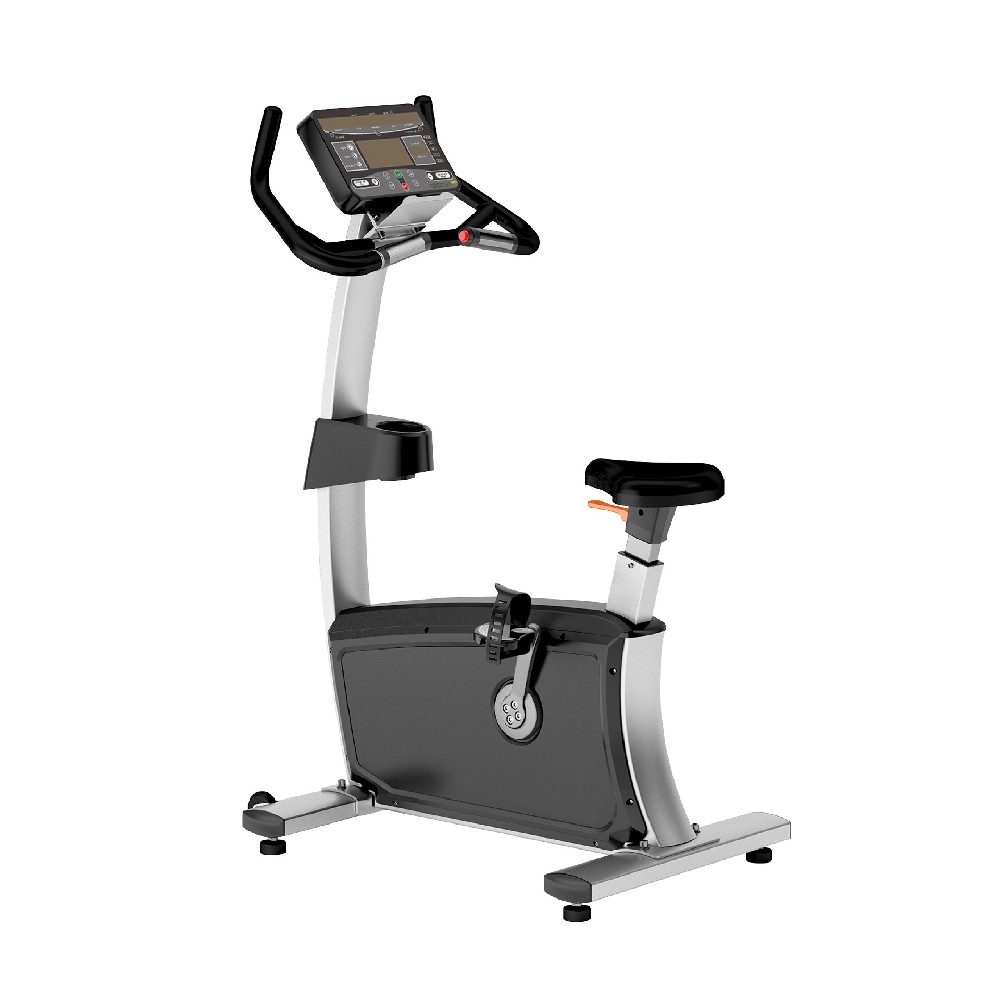
Different training styles deliver distinct calorie-burning benefits. Steady-state cardio such as jogging, cycling or swimming generates steady calorie burn during activity. A 150-pound person burns roughly 300–400 calories in 40 minutes of moderate running. HIIT maximizes short-term burn and EPOC: 20 minutes of bodyweight HIIT can match the calorie output of 40 minutes of light jogging, plus your body continues burning extra calories for 12–24 hours post-workout. Strength training has lower immediate calorie burn but builds lean muscle to raise your daily resting metabolism permanently, making it essential for long-term fat management.
One widespread fitness myth is trusting wearable calorie counts blindly. Trackers calculate calories using generic MET formulas without measuring your real heart rate efficiency, muscle engagement or movement quality. Studies confirm most devices overestimate workout calories by 20% to 35%. For accurate personal data, use the standard MET equation: Calories burned = MET value × body weight (kg) × workout hours. MET ratings range from 3.5 for slow walking to 10+ for sprinting or heavy weightlifting.
Another critical mistake is rewarding extra exercise with excessive food. After a tough workout, people often eat high-calorie snacks that erase their calorie deficit in minutes. A single muffin or sweet coffee can offset a 45-minute treadmill session. Sustainable fat loss relies on a small daily calorie deficit combining moderate exercise and mindful eating, not extreme workout volume to “burn off” overeating.
To accurately track your real calorie burn, combine consistent training logs with realistic MET estimates, and prioritize strength training alongside cardio to boost baseline metabolism. Stop chasing inflated tracker calorie numbers and focus on sustainable activity habits. When you fully grasp how exercise impacts your unique energy expenditure, you can build efficient workout plans and reach your fitness goals without guesswork.