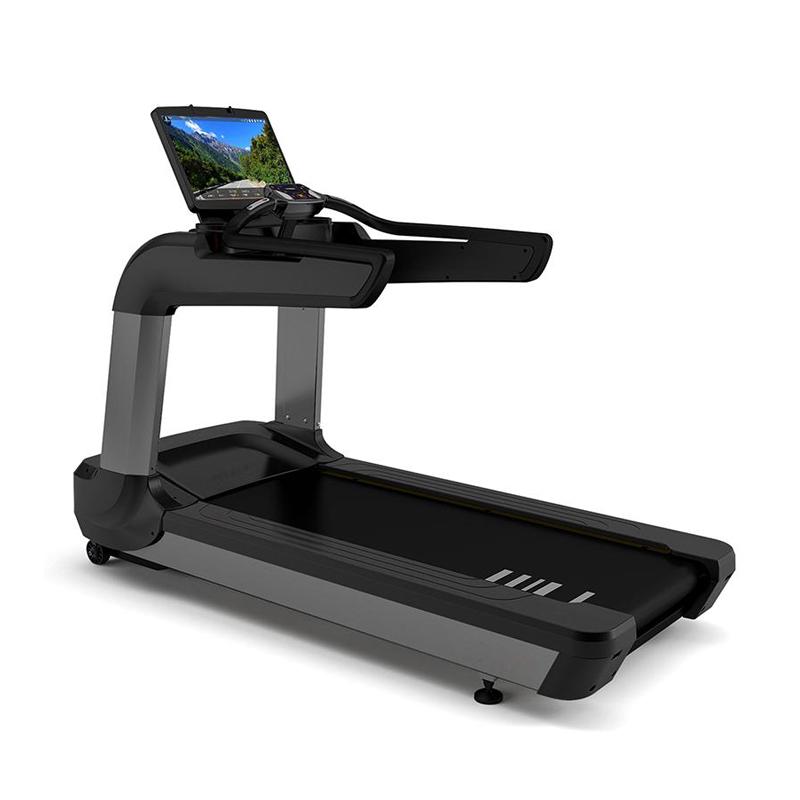
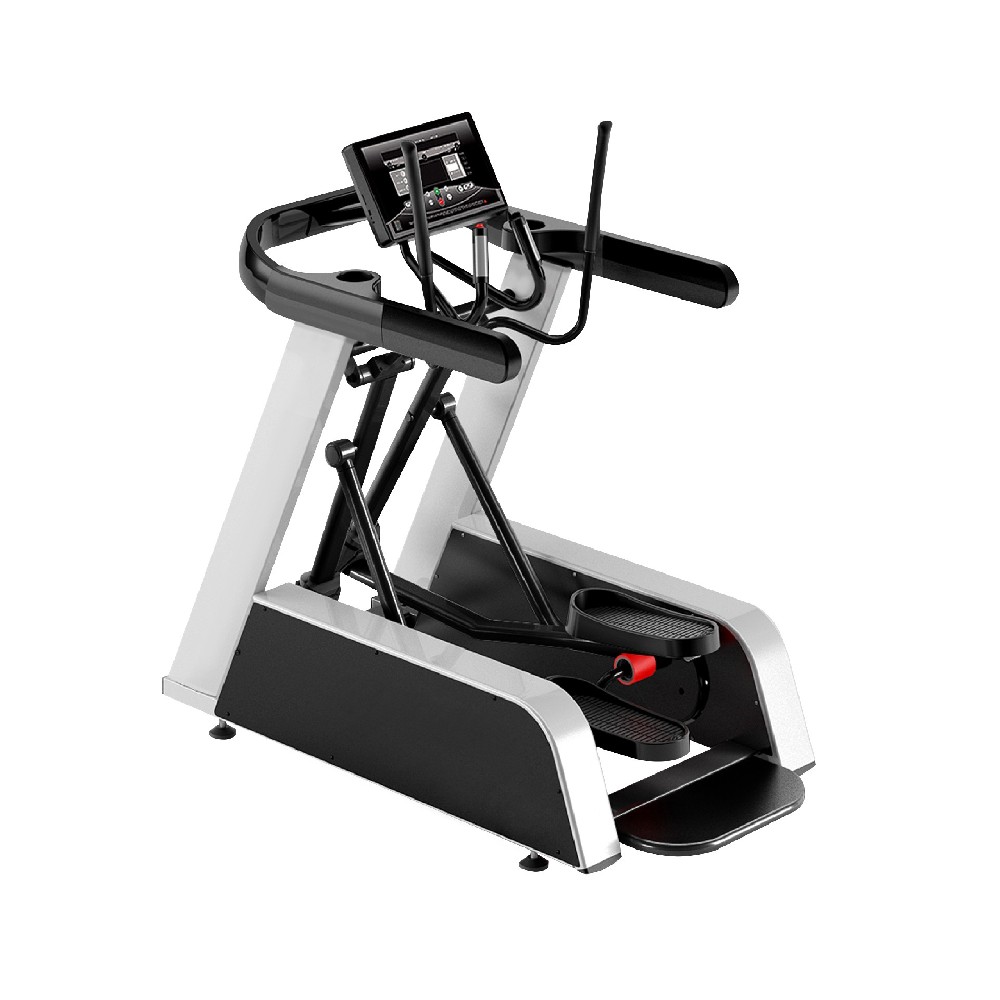
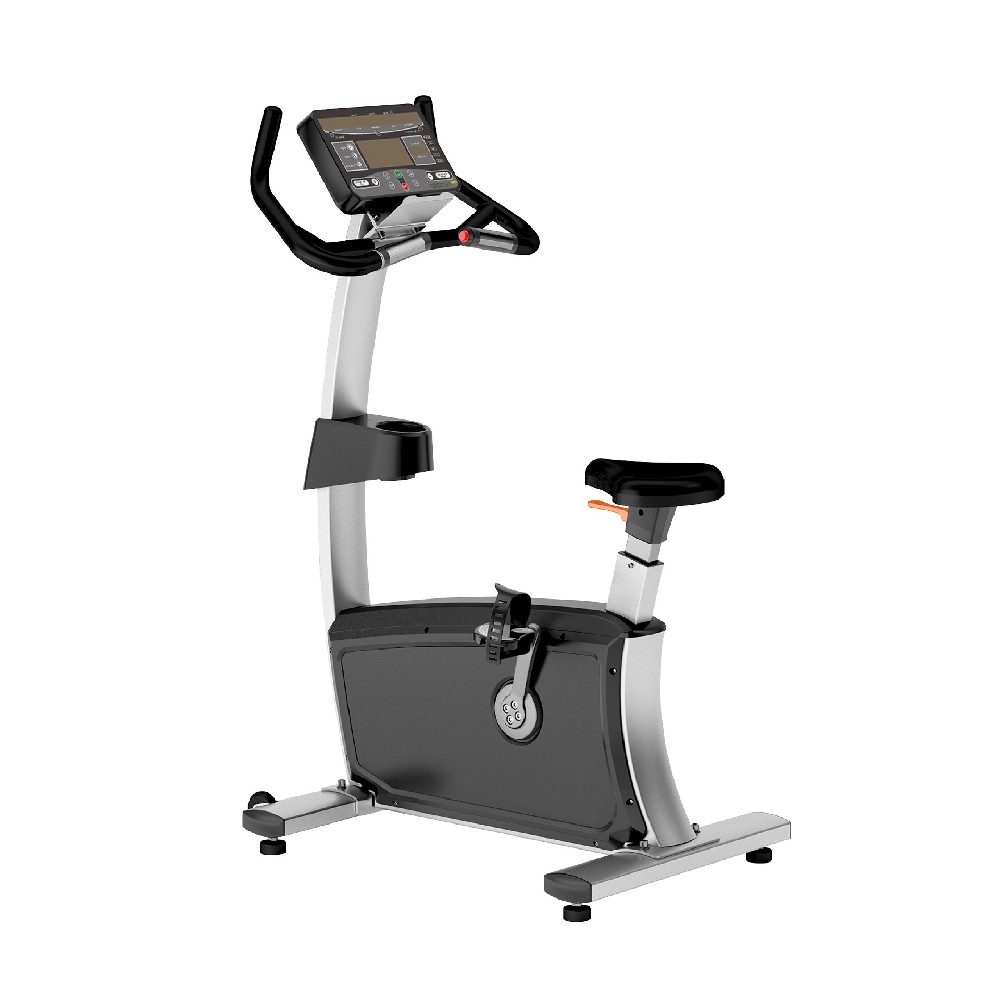
For years, gym enthusiasts and casual lifters alike buy into a persistent fitness myth: cardio eats away muscle tissue. Many skip all aerobic training for fear of ruining their hypertrophy progress, believing steady jogging, cycling or HIIT will trigger muscle breakdown. Yet modern sports science completely overturns this outdated idea. Cardio does not inherently burn muscle — when programmed smartly, it acts as your muscle’s best training partner, supporting growth, recovery and long-term lean mass retention.

The confusion stems from misinterpreting the so-called “interference effect”. Biochemical research shows long, extreme endurance training briefly activates AMPK, a cellular sensor that temporarily softens mTOR, the main pathway driving muscle growth. This minor suppression only happens under extreme conditions: daily marathon-level cardio, severe calorie deficits, or zero protein intake over weeks. For regular gym-goers doing 2–3 moderate cardio sessions weekly, this interference is negligible and easily offset by resistance training and balanced nutrition. A 2022 meta-analysis reviewing 43 clinical studies confirmed that concurrent cardio and weight training causes no meaningful loss of muscle size or strength for recreational lifters.
Instead of destroying muscle, regular moderate aerobic exercise delivers multiple muscle-boosting benefits most lifters overlook. First, cardio improves blood circulation and mitochondrial density inside muscle fibers. Faster nutrient delivery shuttles protein, glucose and oxygen to damaged muscle cells post-lifting, speeding recovery and reducing persistent soreness. Better cardiovascular stamina also raises your work capacity in weight rooms: you will complete more reps with heavier loads and recover faster between sets, directly stimulating greater muscle growth over time.
Second, strategic cardio preserves lean mass during fat-loss cutting phases. Low-intensity steady state (LISS) cardio such as brisk walking, incline treadmill or light cycling prioritizes fat oxidation for fuel. Your body only resorts to breaking down muscle protein when glycogen stores are fully drained — a scenario avoidable with proper carb and protein intake. High-intensity interval training (HIIT), another popular cardio style, triggers EPOC (excess post-exercise oxygen consumption) to burn fat long after workouts, while its short duration limits catabolic stress on muscle tissue.
Muscle loss linked to cardio always comes from three controllable mistakes, not cardio itself. The first is overtraining: four or more lengthy cardio sessions weekly drain recovery resources your muscles need to repair. Second is insufficient nutrition: failing to hit 1.6–2.2g of protein per kilogram of body weight daily removes the key signal telling your body to hold onto muscle. Third is poor scheduling: stacking intense cardio immediately before heavy lifting creates full-body fatigue that ruins strength training quality.
To unlock cardio’s muscle-supporting power, follow this simple routine framework. Stick to 2–3 weekly cardio sessions of 20–40 minutes; choose LISS on rest days or separate cardio and lifting by six hours minimum. Prioritize protein at every meal and maintain a mild or neutral calorie balance if your goal is muscle growth. Avoid back-to-back intense HIIT and heavy leg workouts to prevent overtaxing lower-body muscle groups.
The takeaway could not be clearer: cardio and muscle growth are not opposites. Ditching aerobic training limits your recovery, endurance and overall body composition results. When balanced with resistance training and proper fueling, cardio protects your hard-earned muscle, amplifies gym performance, and stands as your most underrated muscle-building partner. Stop fearing cardio — start using it to maximize every pound of lean muscle you build.