Every man over 50 notices subtle physical changes: climbing stairs leaves you winded, lifting grocery bags feels heavy, and your overall stamina drops year by year. The root cause of these struggles is sarcopenia, the natural age-related loss of skeletal muscle mass that begins as early as age 40 and accelerates rapidly after 50. Muscles are far more than physical appearance—they act as the core foundation of human vitality, supporting bone health, stable metabolism, mobility, blood sugar balance and independent daily living. Without targeted intervention, men can lose 1% to 2% of muscle tissue annually past 50, raising risks of falls, joint pain, diabetes and frailty. This guide breaks down actionable, research-proven methods to slow or reverse muscle loss for middle-aged males.

Prioritize Resistance Training as Your Core Routine
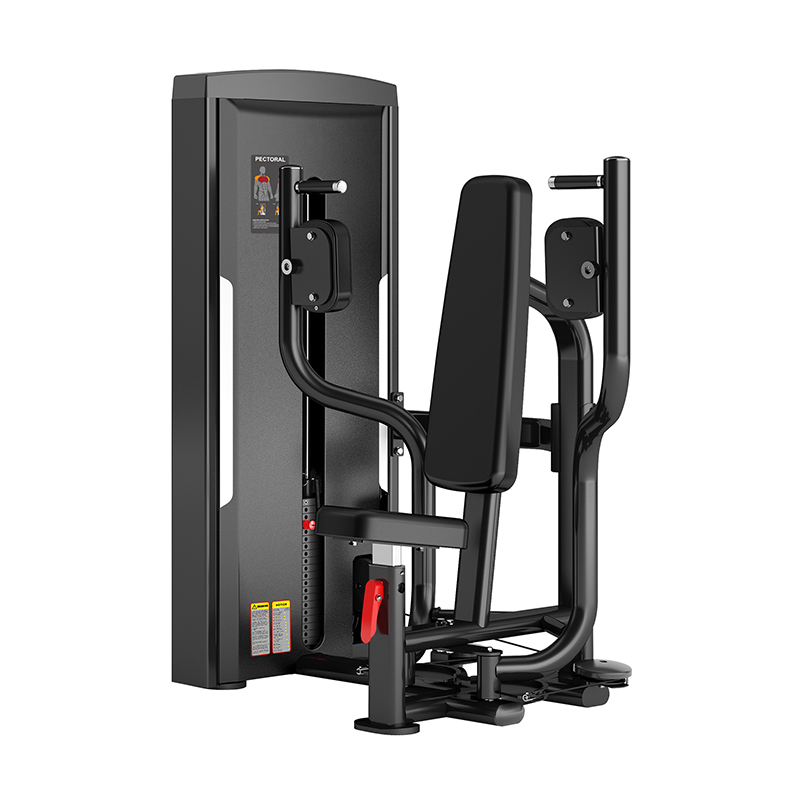
Cardio workouts benefit heart health, yet resistance training is the only reliable trigger for muscle protein synthesis to counteract sarcopenia. Middle-aged men should schedule 2–3 full-body strength sessions weekly, with 48 hours of rest for each muscle group to avoid overtraining. Focus on compound movements that engage multiple muscle groups: goblet squats, bent-over rows, overhead presses and push-ups. These functional lifts boost strength efficiently while protecting joints better than isolated workouts alone.
Stick to 8–12 reps per exercise across 2–4 sets, and follow progressive overload—slowly adding weight, reps or tension weekly to force your body to retain muscle. Light resistance bands and dumbbells work perfectly for beginners; gym equipment is optional for consistent results. Add 150 minutes of moderate weekly cardio (brisk walking, cycling or swimming) to improve circulation, but never replace strength training with steady-state cardio.
Optimize Daily Protein Intake for Muscle Repair
Aging weakens the body’s ability to absorb and utilize protein, making sufficient daily intake non-negotiable for men over 50. Health experts recommend 1.2–1.6 grams of high-quality protein per kilogram of body weight every day, split evenly across three main meals. Aim for 20–30 grams of protein per serving: eggs, Greek yogurt, lean beef, salmon, chicken breast and tofu are ideal sources.
Many middle-aged men make the mistake of loading protein only at dinner, which limits muscle repair. Distributing protein evenly throughout the day sustains steady muscle growth signals. Pair protein with small portions of complex carbs like oats, quinoa or sweet potatoes to boost post-workout recovery, and stay hydrated with 2 liters of water daily to support muscle function.
Fix Sleep & Lifestyle to Stop Hidden Muscle Wasting
Muscle rebuilding primarily happens during deep sleep, yet most men over 50 struggle with poor sleep quality. Aim for 7–9 hours of uninterrupted sleep nightly; chronic sleep deprivation lowers testosterone and slows muscle synthesis drastically.
Long-term stress also elevates cortisol, a hormone that breaks down muscle tissue. Add gentle daily mobility work—yoga, stretching or short walks—to reduce stress and improve joint flexibility. Limit sedentary sitting: stand and stretch every 60 minutes during work hours, as prolonged inactivity speeds up muscle atrophy even with regular training. Excess alcohol and processed junk food further disrupt muscle maintenance, so cut back on refined sugar and heavy drinking to preserve lean mass.
Final Takeaway
Muscle loss after 50 is not inevitable. As the core carrier of human vitality, your muscle mass determines your mobility, energy and long-term quality of life. Combine consistent resistance training, balanced protein nutrition, quality sleep and low-stress daily habits to halt sarcopenia. Small, steady daily choices will help middle-aged men retain strength, stay active and maintain full vitality well into their later years.