Many gym-goers chasing rapid fat loss have heard a popular fitness claim: performing cardio exercises on an empty stomach burns more body fat and speeds up weight reduction. This long-standing fitness theory has sparked heated debates among regular gym users, personal trainers and nutrition experts worldwide. If you frequently visit fitness centers and struggle with slow fat loss progress, you may also wonder whether fasted cardio is a reliable shortcut to your ideal physique.

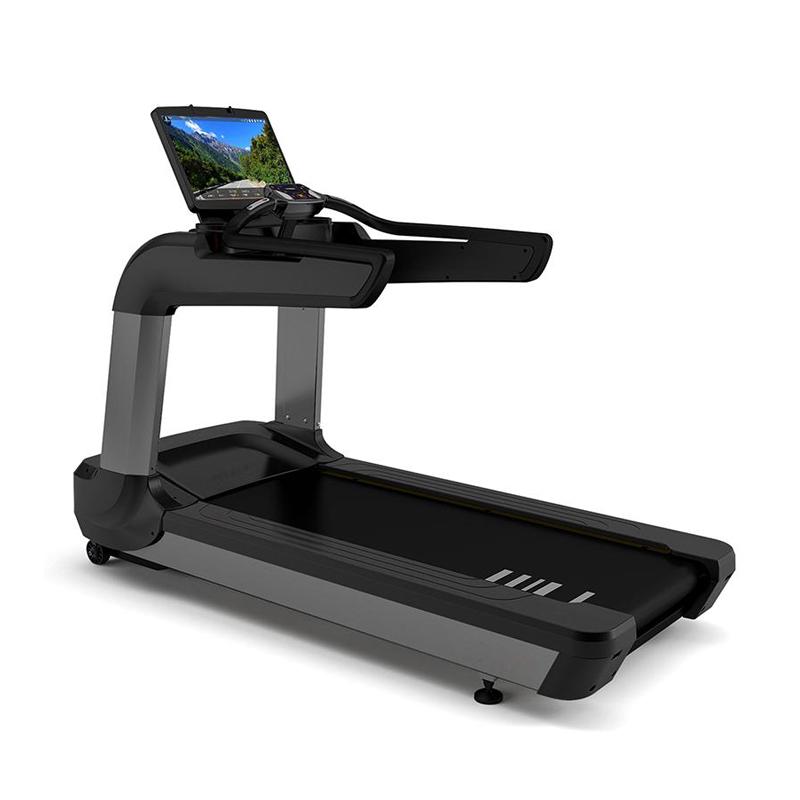
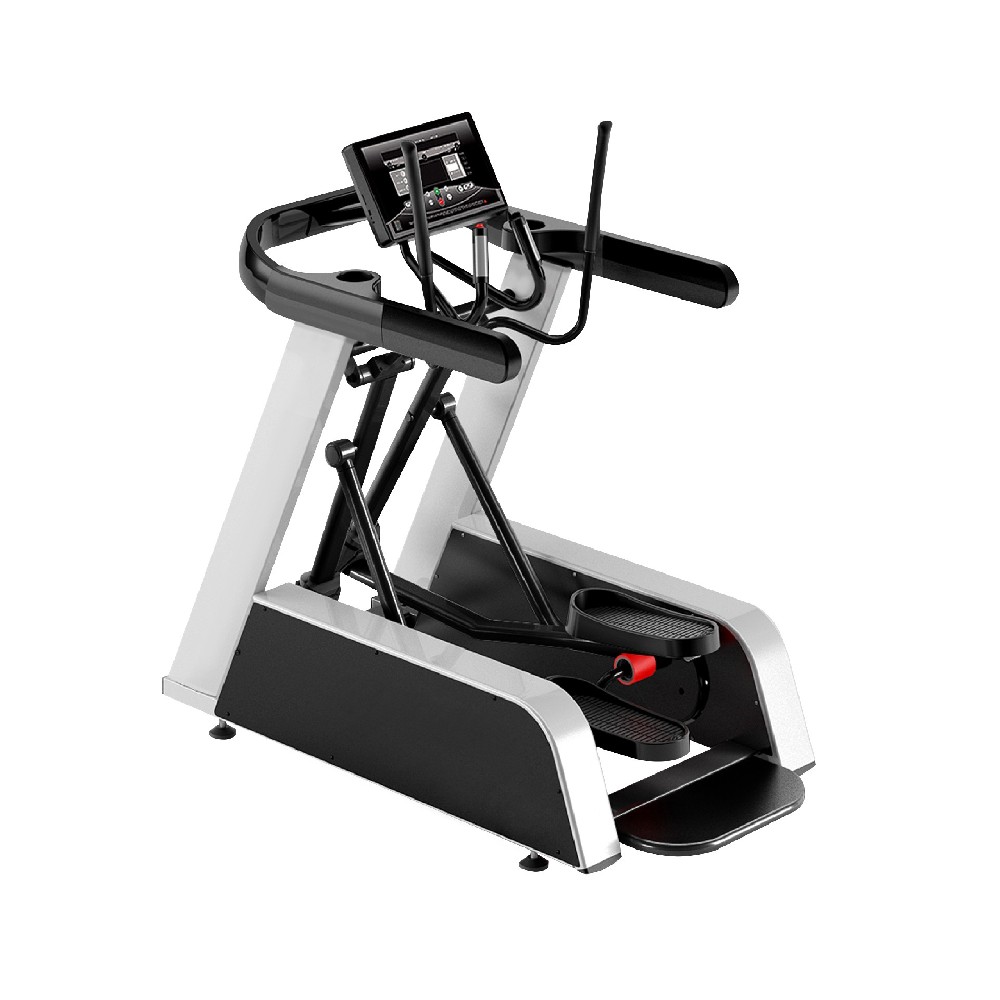
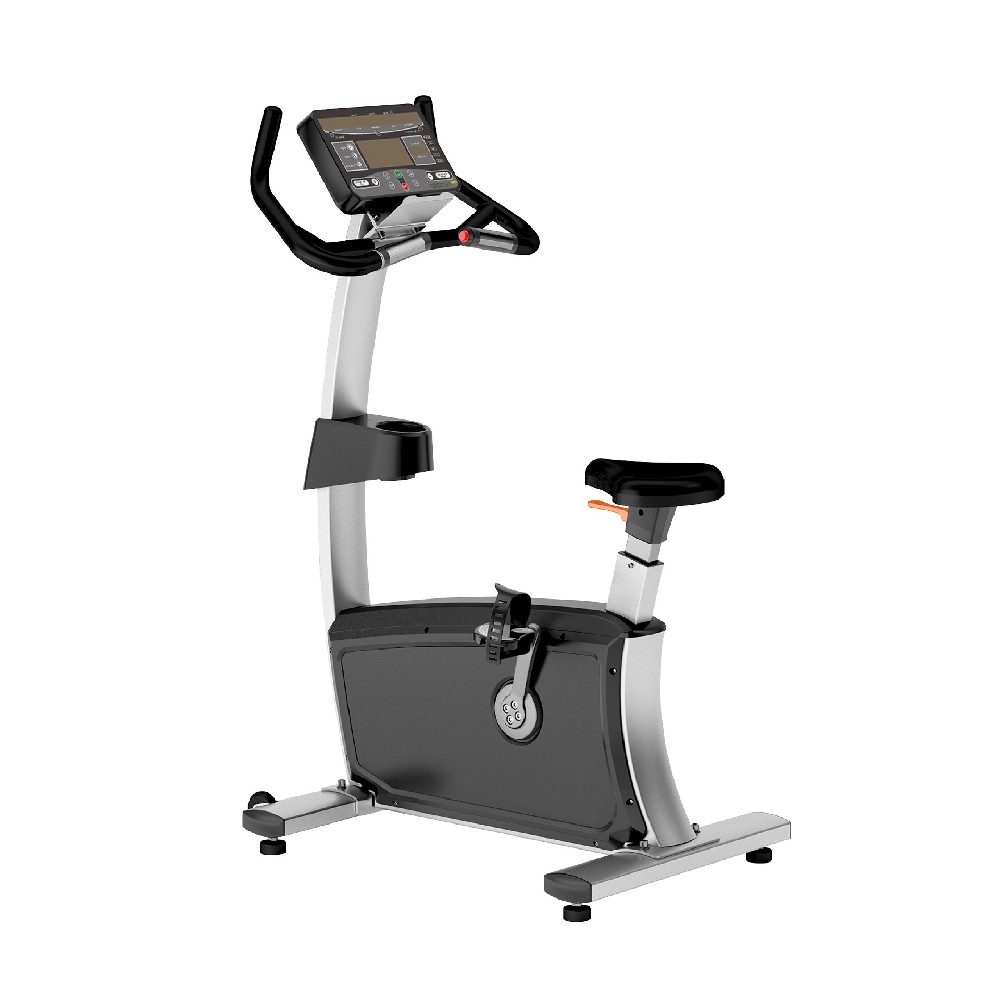
To understand the logic behind fasted cardio, we first need to look at how the human body fuels workouts. After an overnight fast of 8 to 12 hours while sleeping, glycogen stores in the liver and muscles become significantly depleted. When glycogen levels are low, the body theoretically turns to stored adipose tissue for energy supply during moderate-intensity cardio such as jogging, cycling or elliptical training. This mechanism makes many people firmly believe they can melt away extra fat more efficiently by skipping pre-workout meals.
However, modern sports nutrition research has overturned this oversimplified viewpoint. While fasted cardio does trigger slightly higher fat oxidation rates during the single training session, the total daily fat loss rarely sees a meaningful long-term improvement. The human body operates on a 24-hour energy balance cycle rather than judging calorie consumption based solely on one workout. Extra fat burned during fasted exercise is easily offset by increased hunger and larger food portions eaten later in the day, wiping out any temporary fat-burning advantage.
Fasted cardio also carries obvious drawbacks that many beginners ignore. Low blood sugar levels often lead to reduced workout stamina, weaker exercise intensity and shorter training duration at the gym. You may be unable to maintain your usual running speed or resistance on stationary bikes, which lowers total calorie expenditure for that session. Worse still, prolonged regular fasted cardio increases the risk of muscle breakdown. When glycogen is insufficient, the body may break down precious lean muscle mass for fuel. Less muscle tissue lowers your resting metabolic rate over time, making weight maintenance far harder once you stop strict dieting.
For specific groups, fasted cardio is not recommended at all. Fitness newcomers, people with low blood pressure or hypoglycemia, and those with busy schedules cannot afford dizziness, fatigue or fainting spells mid-workout. Endurance athletes aiming for stable performance also avoid empty-stomach training, as unstable energy supply ruins training quality.
That said, fasted cardio is not entirely useless. It works for a small subset of people: early risers who feel bloated exercising after eating light snacks, those who strictly control total daily calorie intake and do not overeat afterward, and individuals who only conduct low-intensity steady-state cardio for short durations. Even for these people, the fat loss gap compared with fed-state cardio remains minimal.
The core rule of sustainable weight loss never changes: consistent calorie deficit plus resistance training to preserve muscle mass beats any single workout trick. Instead of obsessing over whether to eat before gym cardio, focus on total daily calorie control, balanced macronutrient intake and a stable workout routine.
In conclusion, fasted gym cardio will not deliver noticeably faster weight loss for most people. It is not a magical fat-loss hack, merely a personal training preference with limited practical benefits. Choosing a pre-workout light meal like a banana or a cup of Greek yogurt ensures stable energy, protects muscle mass and keeps your long-term fat loss journey steady and sustainable.