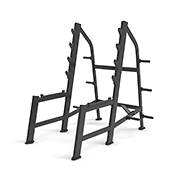
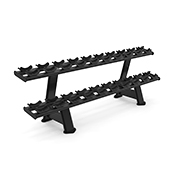
When you step into a gym, barbell and dumbbells are two of the most iconic and widely used strength training equipment. Many fitness beginners and even regular trainees often wonder which one works better. The truth is there is no one-size-fits-all answer. Your final choice should fully depend on your personal fitness goals, training experience and physical condition.

First, let’s talk about barbells. A standard barbell allows you to load heavy weight easily, making it the top pick for those aiming to build overall strength and maximize muscle mass. When performing compound movements like barbell squats, deadlifts and bench presses, the barbell keeps your movement path relatively stable. It engages multiple large muscle groups at the same time, effectively boosting your total body strength and stimulating rapid muscle growth.
Barbells are also ideal for people who want to improve their lifting performance or take part in strength sports. The balanced structure reduces extra body shaking during heavy lifting, so you can focus more on pushing your limits. However, it has limitations. The fixed movement range may restrict the flexibility of your joints. If you have joint injuries or poor body balance, starting with a heavy barbell could increase injury risks. Besides, barbell training usually requires a training partner or spotter for safety, which is not convenient for solo workouts.
Next are dumbbells, a more flexible option for diverse training needs. Unlike barbells, dumbbells let each arm or leg work independently. This feature is perfect for fixing muscle imbalances. If one side of your body is weaker than the other, training with dumbbells can correct the gap effectively. The free movement trajectory also allows your joints to move naturally, which is gentler on shoulders, elbows and knees.
Dumbbells suit multiple goals. For fitness enthusiasts pursuing muscle definition, endurance and functional fitness, dumbbell workouts deliver great results. You can do countless exercise variations, from unilateral presses and lunges to shoulder flys, to target specific muscle groups precisely. They are also friendly for home training and beginners. You can start with light weights to master standard movements and build basic stability. The downside is that dumbbells have a weight limit for advanced lifters. It is harder to lift extremely heavy loads compared with using a barbell.
To sum up, match your goals with the right equipment. Choose a barbell if you prioritize raw strength, overall muscle gain and heavy compound lifting. Go for dumbbells if you want better muscle symmetry, joint mobility, targeted muscle training or flexible solo workouts.
In fact, professional trainers suggest combining both in your routine. Using barbells for heavy main lifts and dumbbells for accessory training will create a balanced, efficient training plan. No matter which tool you use, stick to correct form first. Only in this way can you achieve long-term fitness progress safely.