When it comes to losing weight and trimming body fat, countless fitness enthusiasts get stuck on one common question: should they focus on aerobic exercise or strength training? Many people only stick to long cardio sessions, believing it is the fastest way to burn calories. Others turn to strength training to shape their bodies but worry it will build bulky muscles and slow down fat loss. In fact, understanding the differences and functions of these two workout styles is the key to sustainable and efficient fat loss.

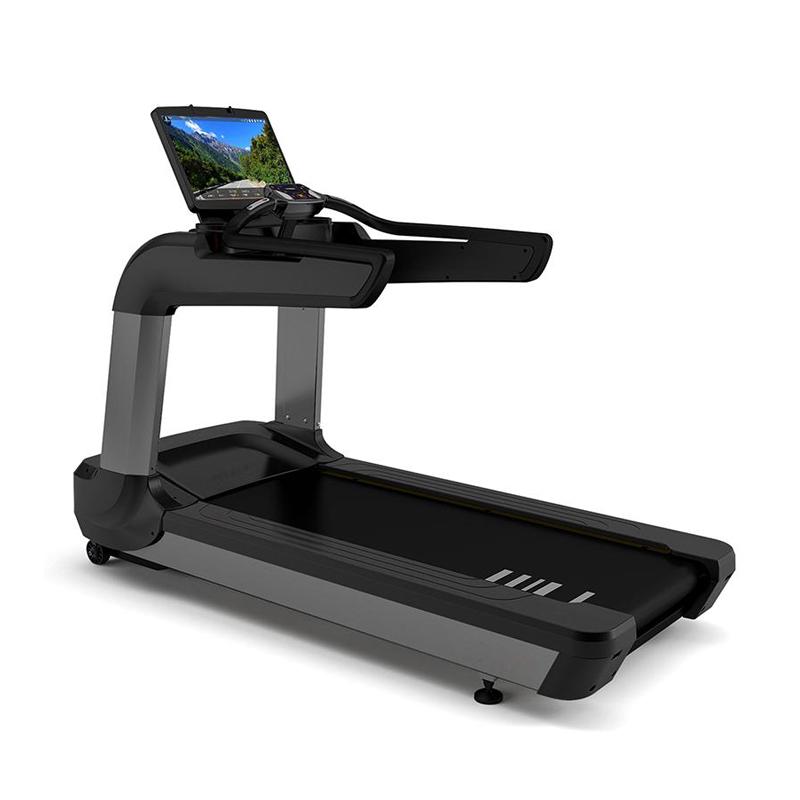
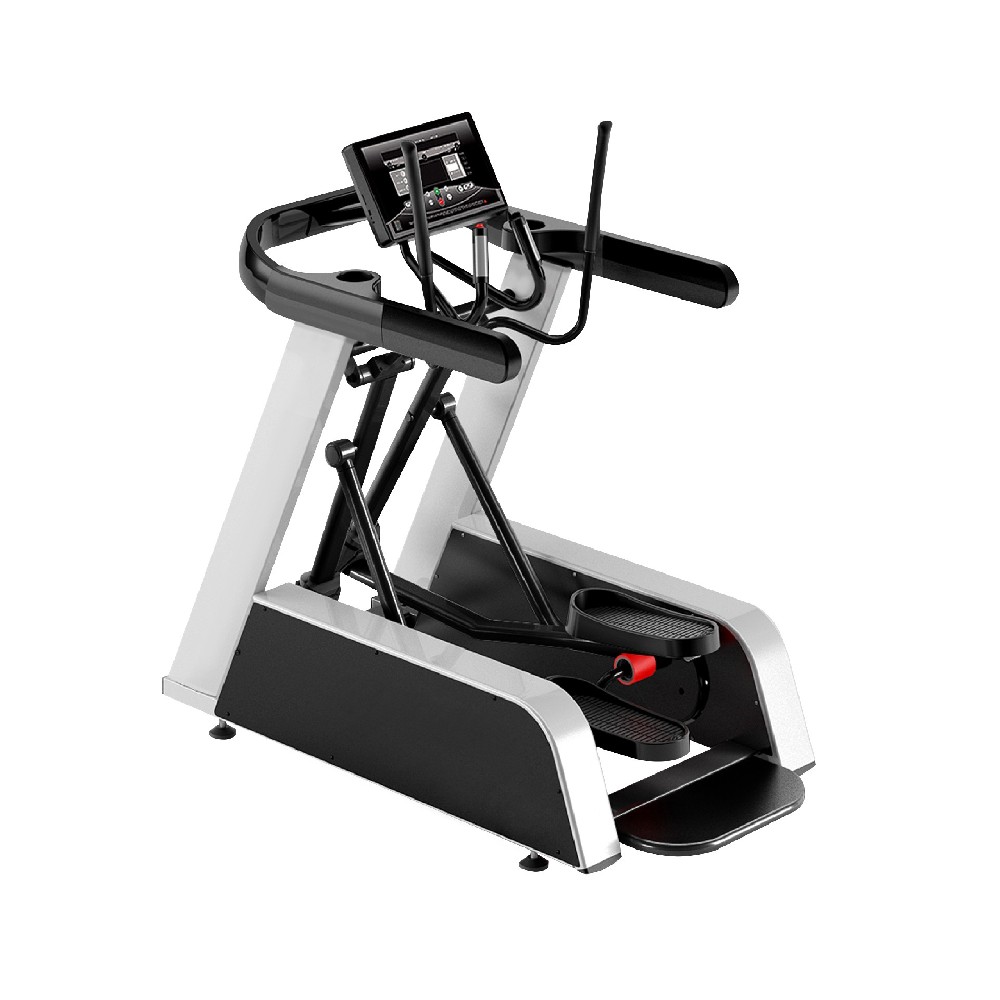
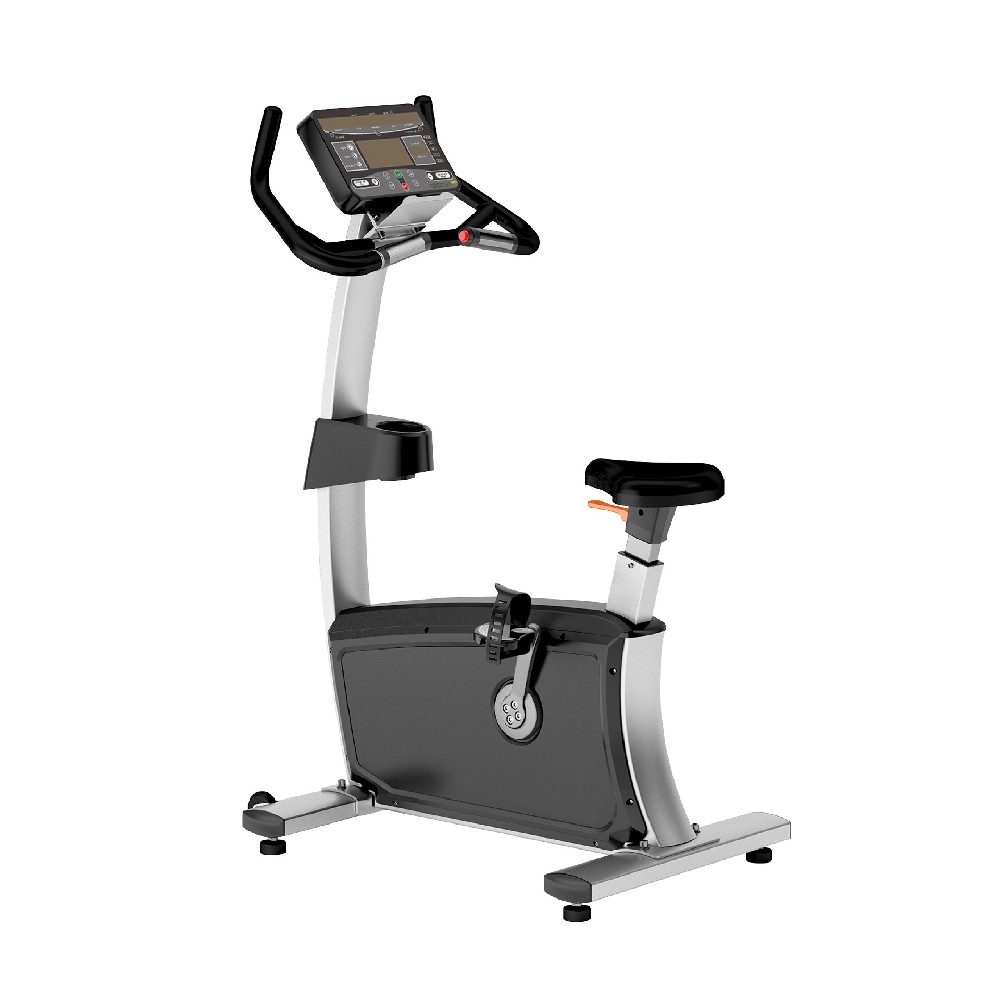
Aerobic exercise, also known as cardio, includes running, cycling, swimming, brisk walking and dancing. It mainly relies on oxygen to supply energy and keeps your heart rate elevated for a long time. During the workout, your body directly burns a large number of calories, which creates an obvious calorie deficit in a short period. This is why cardio is widely recognized for immediate fat-burning effects. If your goal is to drop pounds quickly in the initial stage, moderate to high-intensity cardio works perfectly. However, its downside is also clear. Calorie burning mostly stops once you finish exercising. Moreover, excessive cardio alone may cause muscle loss over time. Less muscle means a lower basal metabolic rate, making it easier to regain weight once you stop working out.
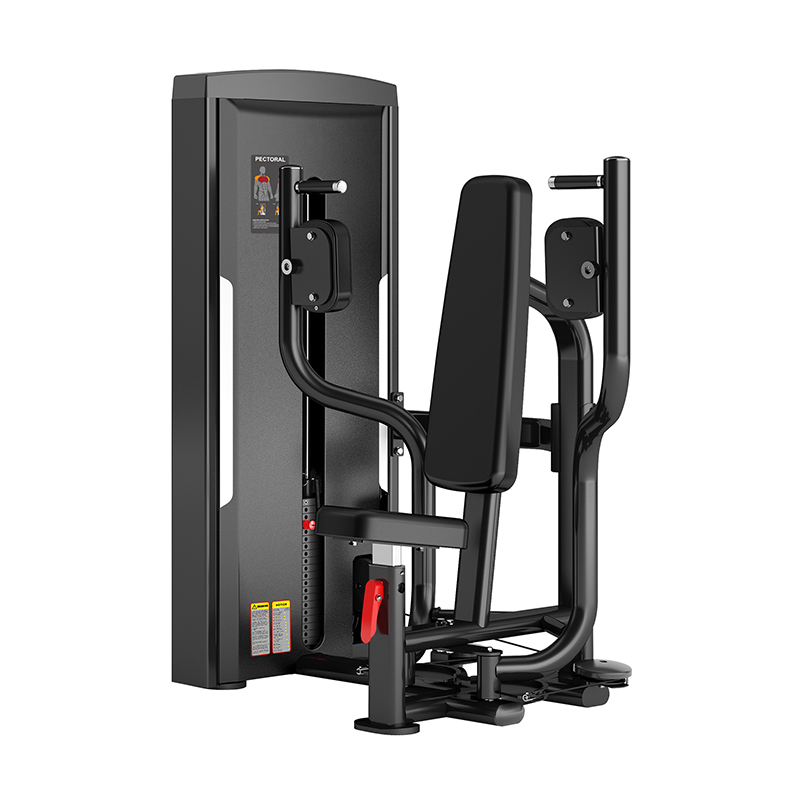
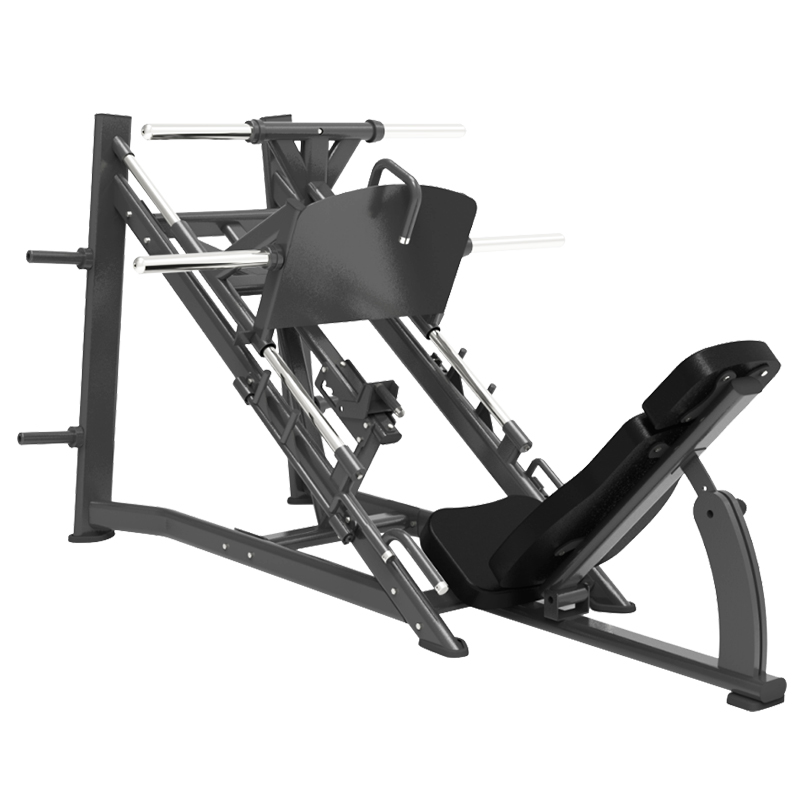
Strength training covers bodyweight exercises, dumbbell workouts, weight lifting and resistance training. Unlike cardio, it does not burn as many calories during the training process. Its greatest value lies in building and maintaining lean muscle mass. Muscle is a metabolically active tissue. Even when you are resting, sitting or sleeping, muscles continue to consume more calories than fat. This creates the so-called "afterburn effect" and boosts your resting metabolism permanently. With a higher metabolism, your body turns into a fat-burning machine all day long. Many women avoid strength training out of fear of looking muscular. This is a misunderstanding. Without extremely heavy training and strict diet control, regular strength training will only tone your figure, tighten loose skin and create a slim, firm body line instead of oversized muscles.
For the best fat loss results, combining aerobic and strength training is always the smartest choice, rather than choosing one over the other. For beginners, you can arrange 2 to 3 strength training sessions every week to build basic muscle and raise metabolism. Add 2 to 4 moderate cardio sessions to accelerate calorie burning. If you have limited time, try circuit training, which mixes strength moves and short cardio bursts. It combines the advantages of both workouts and improves exercise efficiency greatly.
Losing fat is never about blind repetition of a single workout. Cardio brings instant calorie burn, while strength training supports long-term fat management and body shaping. Master the characteristics of these two training modes, make a reasonable workout plan, and you will achieve steady fat loss and a healthier, fitter body.