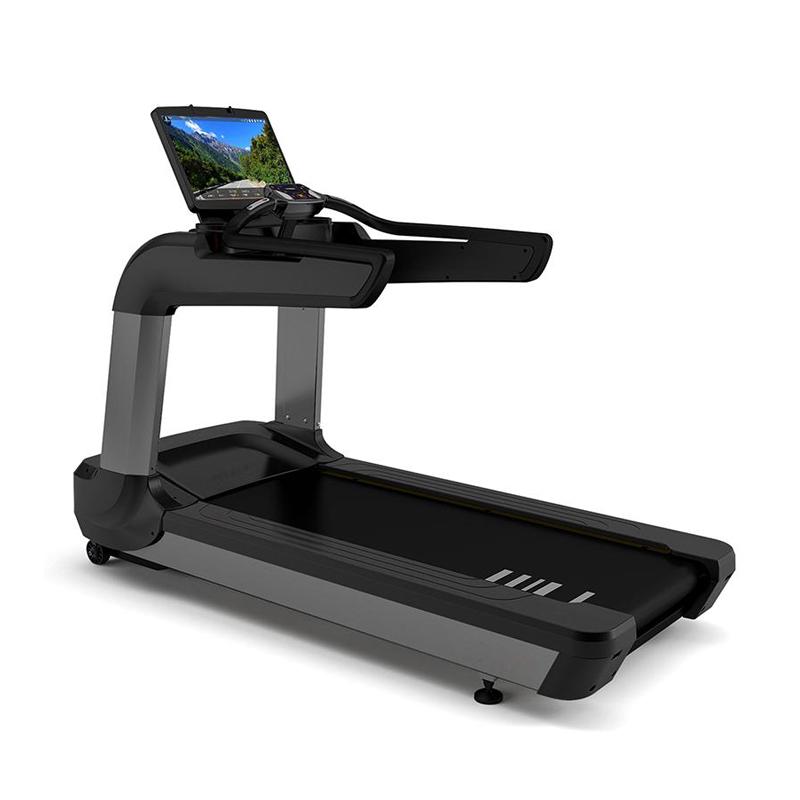
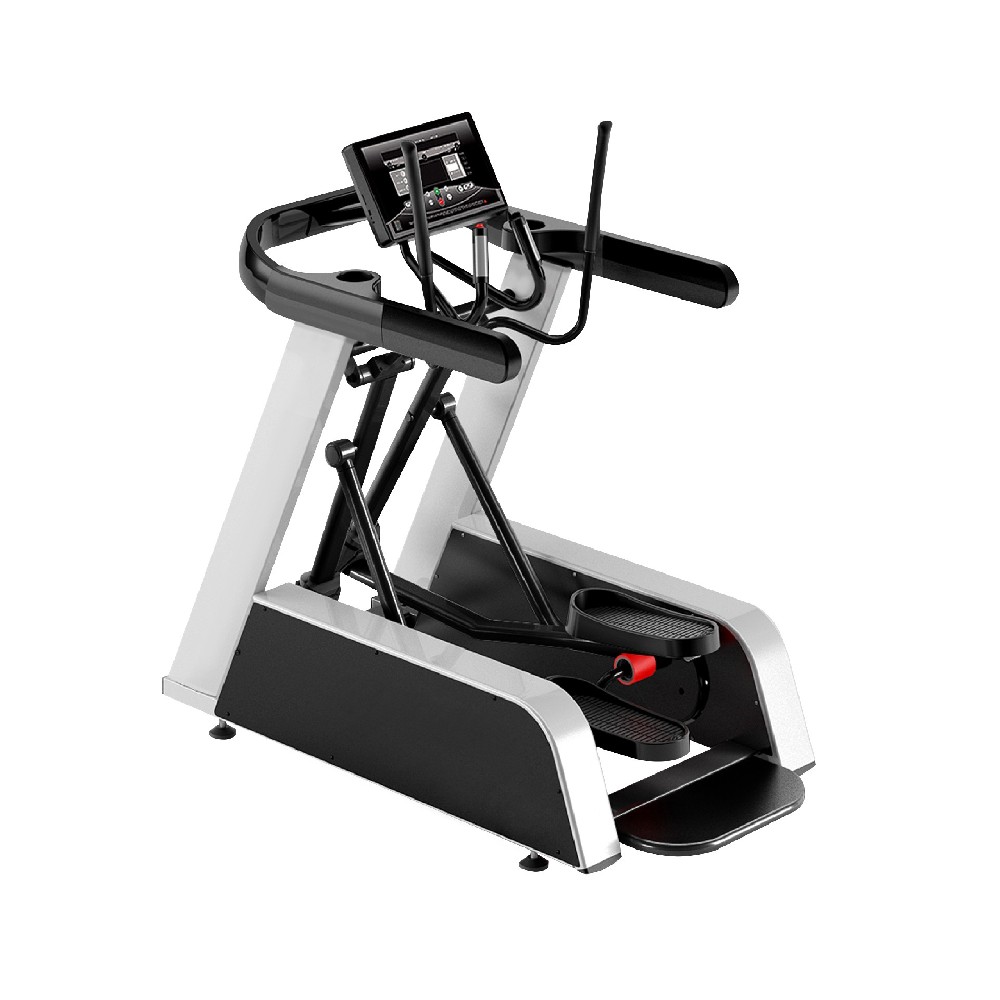
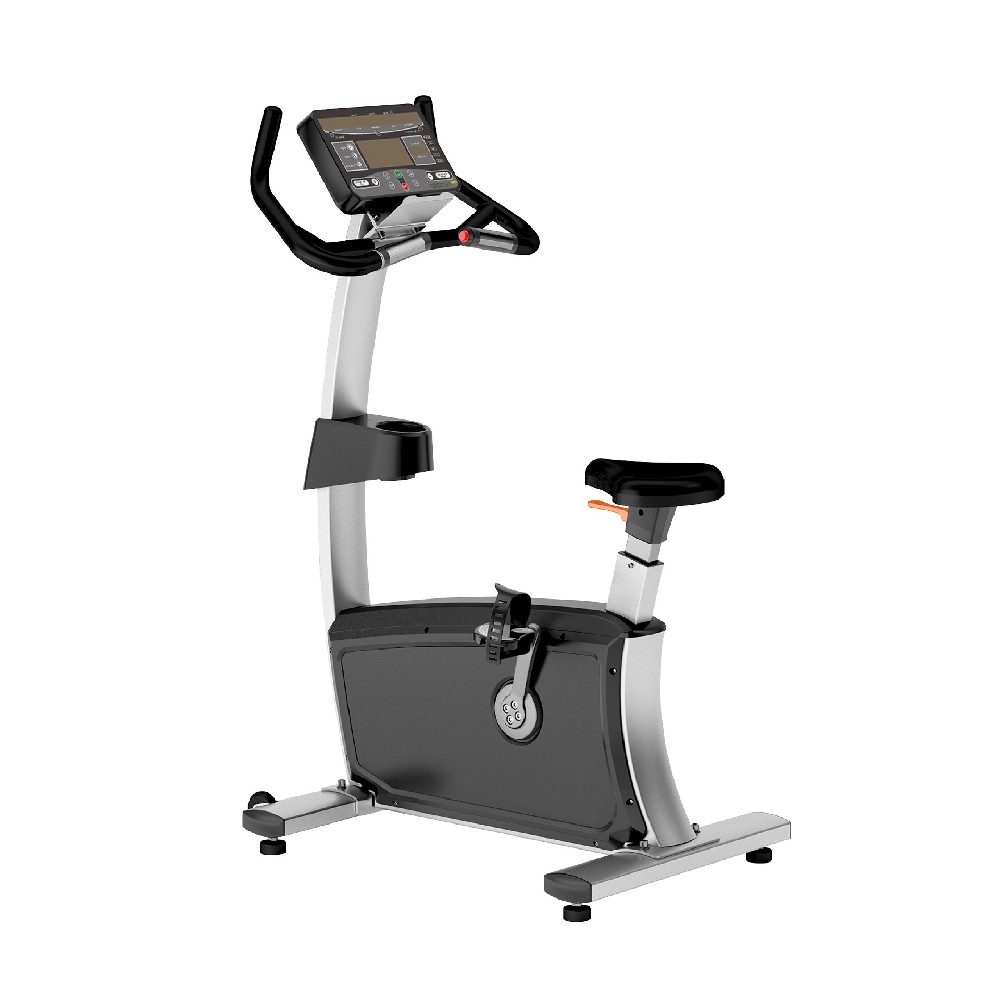
If you’re trying to lose weight, boost fitness or improve overall health, cardio training is almost always part of your workout plan. Two of the most popular options are High-Intensity Interval Training (HIIT) and Low-Intensity Steady State (LISS) cardio. Many fitness enthusiasts feel confused about which style fits their goals, schedule and physical condition. To help you make a wise decision, let’s break down their features, benefits and suitable scenarios clearly.

HIIT refers to short bursts of extremely intense exercise followed by brief rest or low-intensity recovery periods. A typical HIIT session usually lasts only 15 to 25 minutes, far shorter than traditional cardio. Its biggest advantage is the afterburn effect, also known as EPOC. After a HIIT workout, your body continues to burn extra calories for hours while resting, as it works hard to restore oxygen levels and repair muscles. This makes HIIT ideal for people with a busy lifestyle who struggle to spare long hours for exercise. Besides fat loss, it effectively improves cardiovascular endurance, boosts metabolism and enhances muscle strength. However, HIIT is physically demanding. It puts heavy pressure on your heart and joints, so it is not recommended for total beginners, those with joint injuries, heart problems or excessive body weight. If you push too hard without proper preparation, you may face fatigue or even workout injuries.
LISS cardio includes walking, slow jogging, cycling, swimming and other gentle movements maintained at a steady pace for 30 to 60 minutes. During the workout, your breathing stays stable and you can even talk comfortably. Unlike HIIT, LISS relies on direct calorie burning during exercise, with no obvious afterburn effect. Its core strengths are low impact and high accessibility. It is gentle on knees, ankles and the cardiovascular system, making it perfect for fitness newbies, seniors, overweight people and anyone recovering from injuries. Long-term LISS training also builds basic stamina, relieves daily stress and improves blood circulation. The main downside is its lower time efficiency. You need longer training time to reach the same calorie burn as HIIT. What’s more, relying solely on LISS may not significantly raise your metabolism in the long run.
So how do you pick between them based on your personal needs? If you have limited time, want fast fat loss and already have a solid fitness foundation, HIIT is your top choice. If you are a beginner, carry extra weight, have joint issues or simply prefer relaxed workouts, stick to LISS cardio.
In fact, combining these two training styles creates the best results for most people. You can do HIIT 2 to 3 times a week for efficient fat burning, and arrange LISS on rest days to keep your body active and aid recovery.
There is no absolute better option between HIIT and LISS. The best workout is always the one that matches your fitness level, goals and daily routine. Choose wisely, stay consistent, and you will see steady progress in your fitness journey.