Most gym enthusiasts treat lat pulldowns and various rows as perfect replacements for pull-ups when building a wider, stronger back. These mainstream alternative exercises are accessible and easy to master for beginners, leading many lifters to question whether pull-ups are still necessary for back workouts. However, from a biomechanical and functional fitness perspective, no machine-based or accessory movement can fully substitute pull-ups. This article analyzes the irreplaceable value of pull-ups in systematic back training.

Closed-Chain Movement: The Core Difference
The fundamental gap between pull-ups and other pulling exercises lies in movement types. Pull-ups are classic closed-chain compound movements, where your hands are fixed on the bar and your entire body moves against gravity. In contrast, lat pulldowns and seated rows belong to open-chain movements, with your body fixed and adjustable weights moving instead.
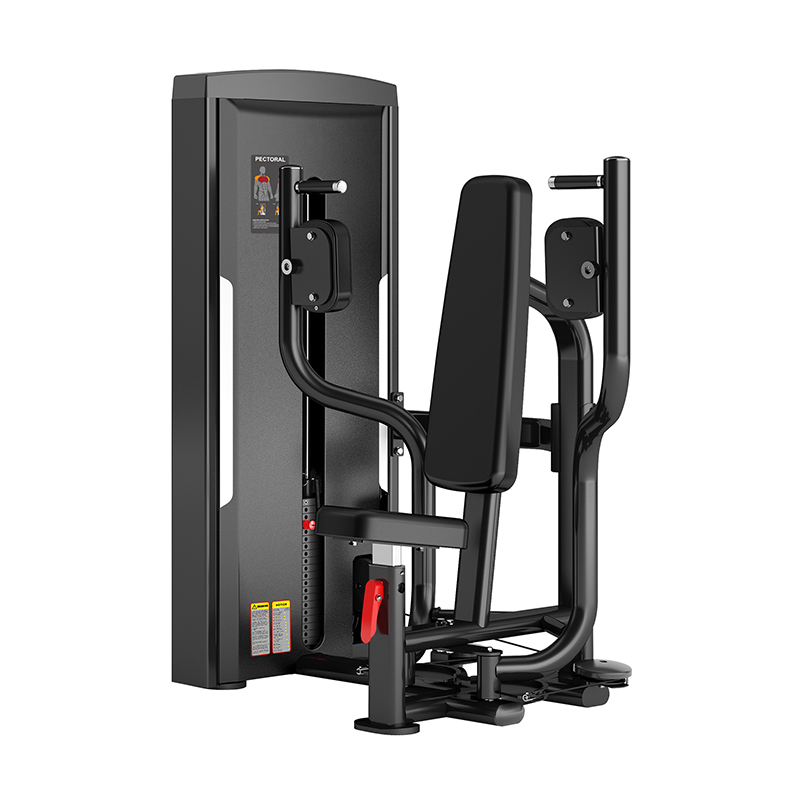
This simple structural difference changes the entire training effect. When performing pull-ups, lifters must actively engage the core, spinal stabilizers and posterior chain muscles to avoid body swinging. Machine exercises eliminate the stabilization burden, reducing overall muscle activation and failing to build real functional strength, which targeted back machines cannot replicate.
Unique Muscle Activation and Grip Adaptation
Although EMG data proves pulldowns activate the latissimus dorsi at a similar level to pull-ups, the overall muscle engagement differs greatly. Pull-ups synchronously work lats, rhomboids, trapezius, biceps and abdominal muscles in one single repetition. This full-body coordination boosts muscle synergy rather than isolating specific back muscles.
Additionally, pull-ups deliver exclusive grip strength benefits. Lifters support their full body weight with bare grip throughout the set, triggering earlier grip fatigue than back muscle exhaustion. For most trainees, grip strength is the primary limiting factor of pulling performance. Machine alternatives separate grip tension from pulling force, weakening this critical adaptive stimulus.
Superior Posture Correction & Functional Value
Modern sedentary lifestyles cause anterior pelvic tilt, rounded shoulders and weakened posterior chains. Most corrective workouts only relieve superficial symptoms, while pull-ups directly reverse postural defects. They force the body to maintain spinal integrity, retract the scapula and stretch tight chest muscles, effectively fixing upper cross syndrome.
Beyond aesthetics, pull-ups translate better to real-life scenarios. The ability to pull your body upward is a vital functional skill for daily activities and sports. Machine-based pulling strength rarely transfers to bodyweight movements, limiting athletes’ comprehensive fitness improvement.
Final Verdict
Lat pulldowns and rows remain efficient supplementary exercises for targeted back hypertrophy, yet they can never replace pull-ups. The closed-chain mechanics, full-body stabilization demands, grip strength gains and posture-improving effects make pull-ups the gold standard of vertical pulling training. For balanced back development and long-term functional fitness, integrating pull-ups into your routine is indispensable.