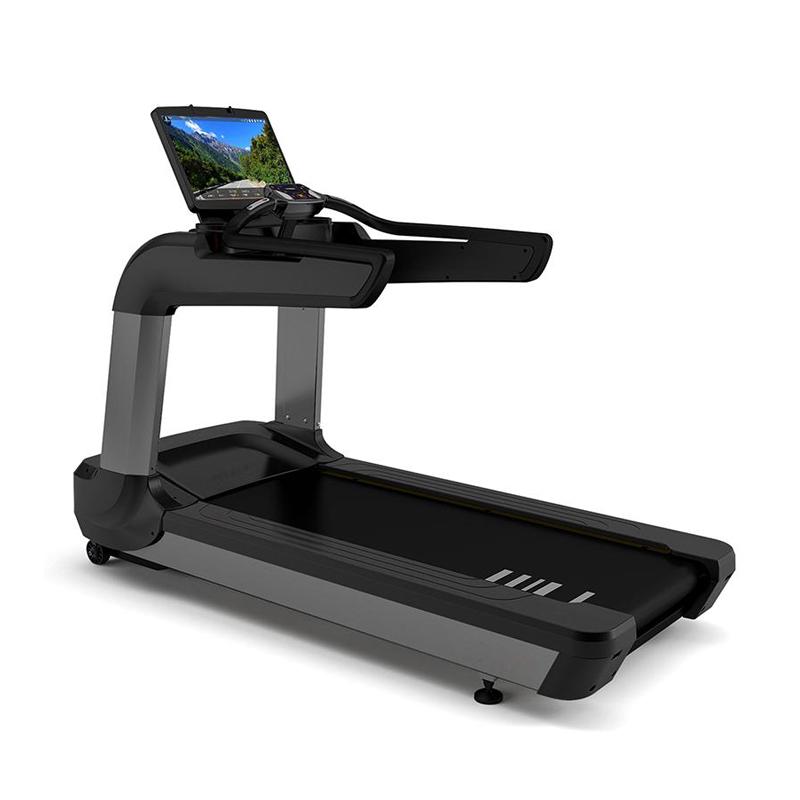
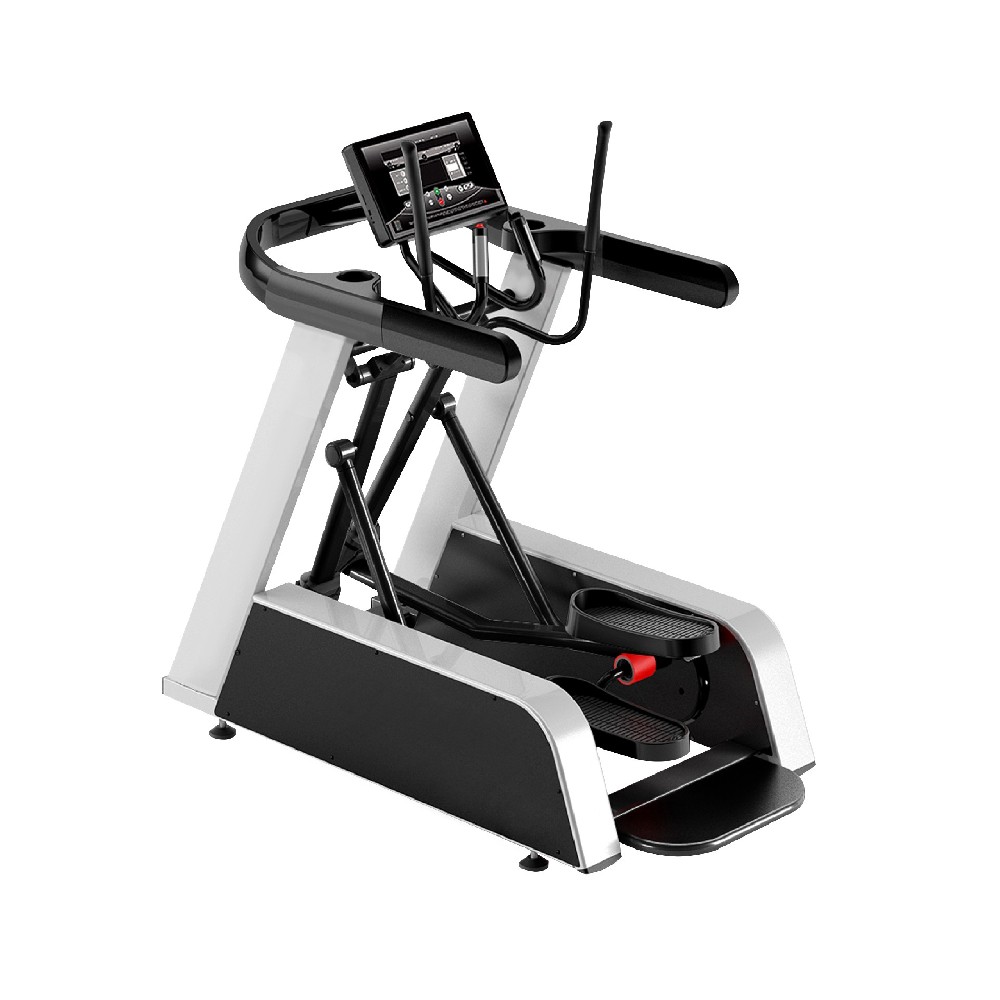
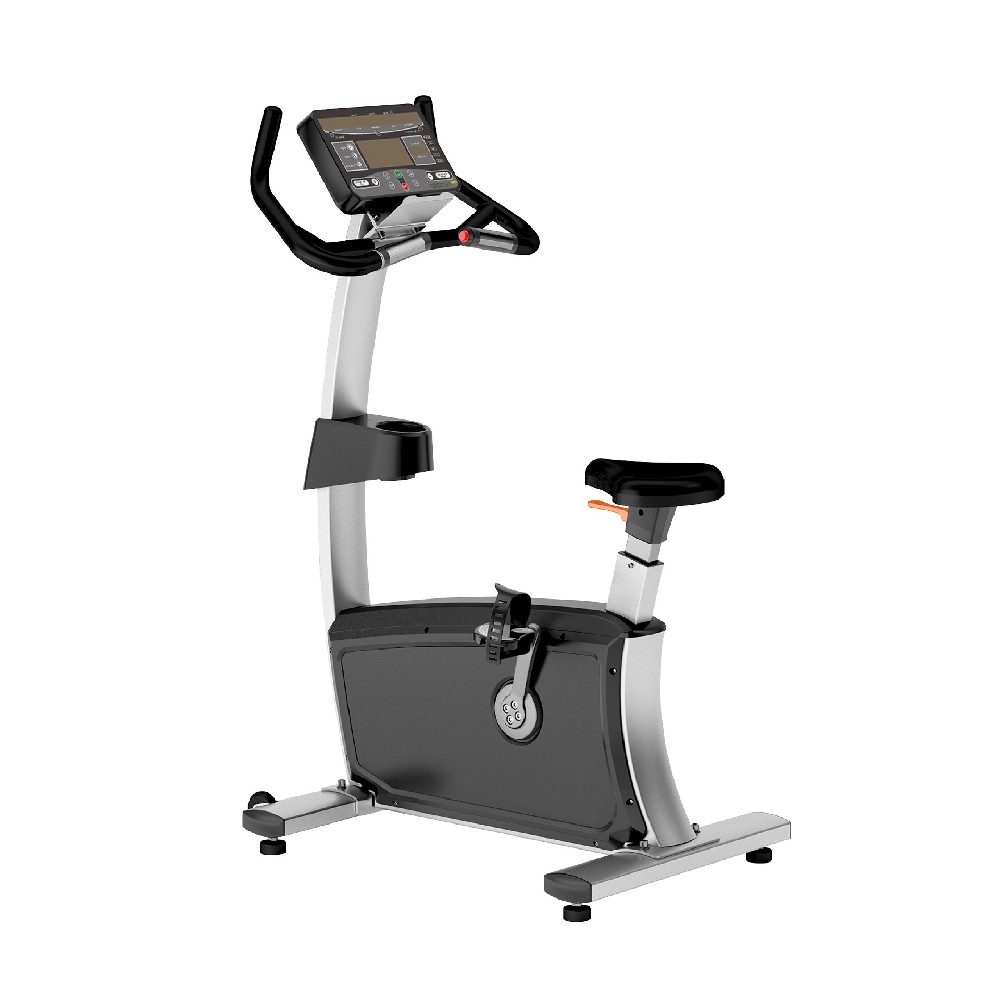
If you regularly work out on a treadmill but feel your calorie burn stays low, you are not alone. Many people stick to steady slow jogging on treadmills and fail to get ideal weight loss results. In fact, with simple adjustments to your workout ways, speed, incline and exercise rhythm, you can easily boost calorie consumption and make every treadmill session more effective for fat loss.

First of all, stop long-time low-intensity slow running. Most beginners choose a comfortable slow pace and keep running for 40 to 60 minutes continuously. This exercise mode only consumes a small amount of calories and is easy to make your body adapt to the movement, resulting in a slow fat-burning effect. Instead, try to properly raise your running speed appropriately within your physical tolerance. Moderate fast running can quickly raise your heart rate, activate more muscle groups and significantly increase instant calorie burning efficiency.
Adding treadmill incline is one of the most practical fat-burning tricks that most people ignore. Adjusting the incline level from 3% to 8% can simulate outdoor uphill running. Uphill treadmill running needs to mobilize leg muscles, hip muscles and core strength at the same time, which consumes far more calories than flat running. Even if you keep the same running speed, proper incline setting can make your calorie burn rise sharply, and it can also shape your leg lines and avoid thick calves caused by single flat running.
Interval training is the core way to maximize treadmill calorie burning, which is very popular among foreign fitness enthusiasts. The principle is to alternate high-intensity fast running and low-intensity slow walking or jogging. A classic fat-burning interval plan is running fast for 1 minute, then walking slowly for 2 minutes, and repeating this cycle for 25 to 35 minutes. This training method can keep your body in a high metabolic state. Even after you finish exercising, your body will continue to burn excess calories, forming an afterburn effect, which greatly improves the overall fat loss effect.
In addition to exercise modes, reasonable workout duration and posture also affect calorie consumption greatly. Do not hold the treadmill handrails tightly when running. Holding handrails will reduce body movement resistance, reduce muscle participation and directly cut down calorie burn. Keep your upper body straight, swing your arms naturally and keep a stable running posture to ensure sufficient body movement. It is recommended that the single treadmill exercise time be controlled within 45 minutes. Too short time cannot reach the fat-burning state, while too long time is easy to cause physical fatigue and sports injuries.
Matching scientific exercise habits can also help you burn more calories steadily. It is better to arrange treadmill workouts in the morning on an empty stomach. At this time, the body has low glycogen content and is more likely to mobilize fat for energy supply. Drink a small amount of warm water before exercise and avoid eating high-calorie food within one hour before working out. Keep a fixed treadmill exercise frequency of 4 to 5 times a week, and combine slight changes of speed and incline each time to prevent physical adaptation and maintain stable high calorie consumption.
In conclusion, treadmill fat burning does not depend on long blind running, but on scientific and flexible workout methods. By using incline adjustment, interval training, correct running posture and reasonable exercise arrangement, everyone can easily increase calorie burn on the treadmill. Master these simple and effective tips, make your daily treadmill workouts more valuable, and steadily achieve fat loss and body shaping goals efficiently.