With the rise of home workouts, investing in fitness equipment has become a popular choice for many people looking to stay active without the hassle of gym memberships. However, with countless options on the market—from basic resistance bands to high-end cardio machines—choosing the right gear can feel overwhelming. To help you make a smart, long-lasting investment, here are the key factors to consider when buying fitness equipment, tailored to what real users search for and prioritize.

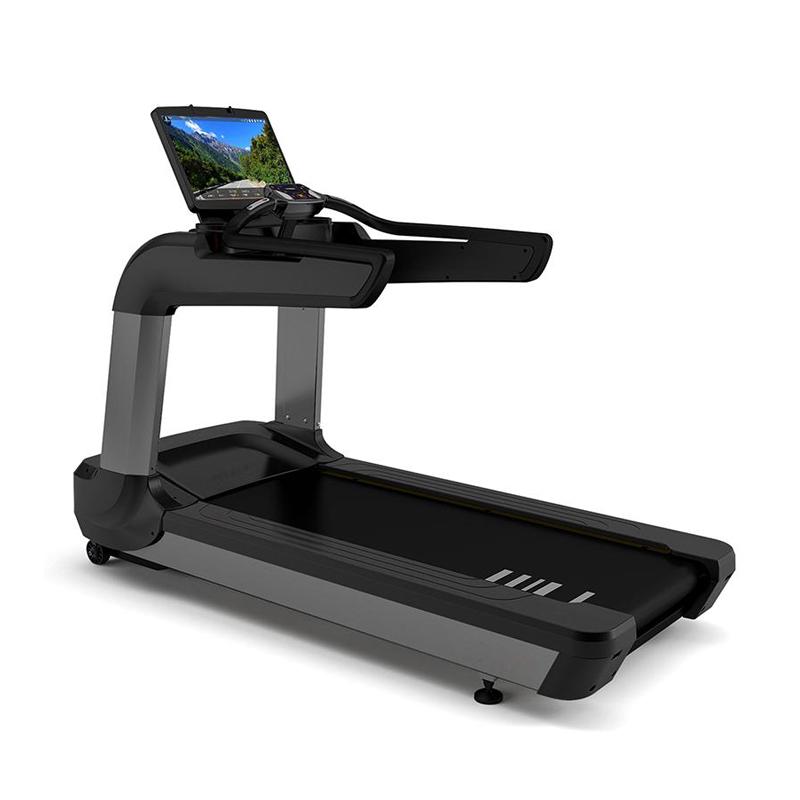
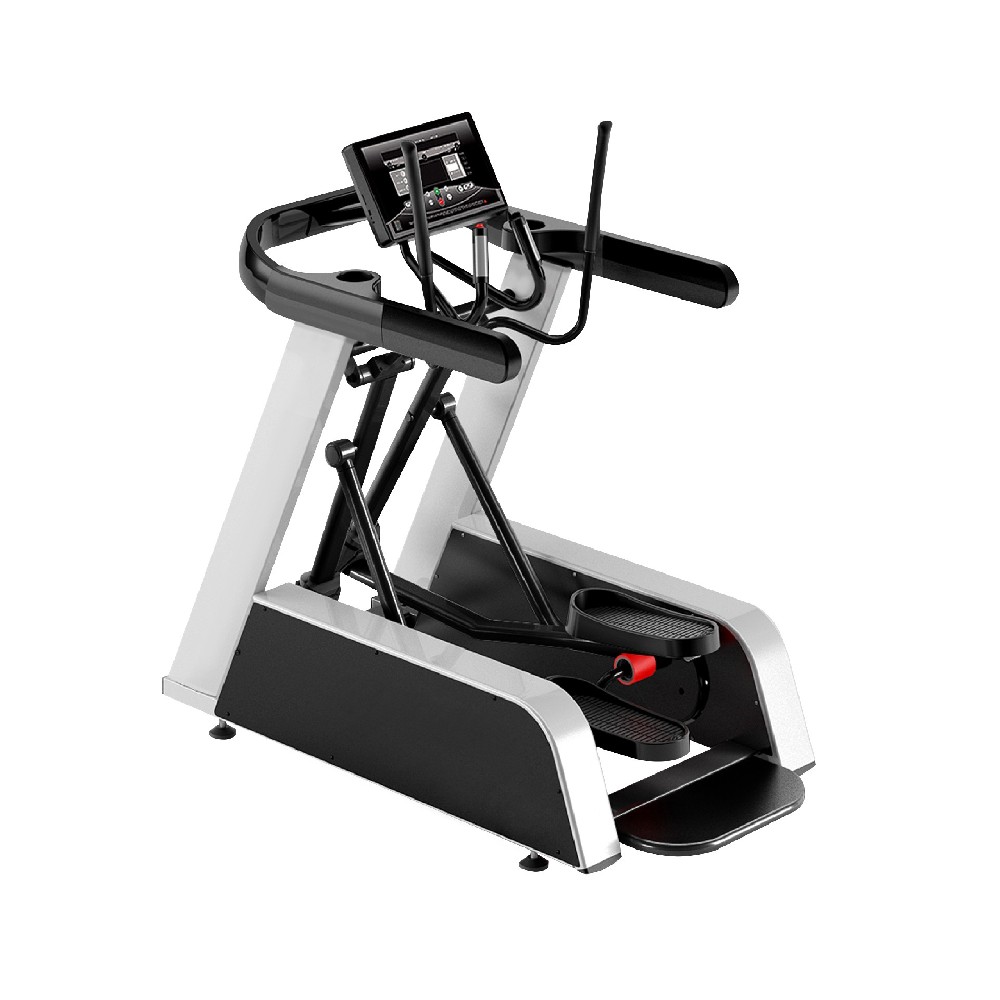
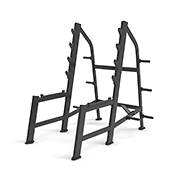
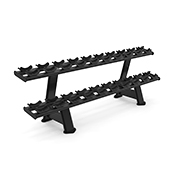
First and foremost, align the equipment with your fitness goals. This is the most critical step to avoid wasting money on gear that doesn’t serve your needs. If your goal is weight loss, focus on cardio equipment like treadmills, ellipticals, or rowing machines—options that get your heart rate up and burn calories efficiently. For strength training, adjustable dumbbells, resistance bands, or a compact power rack are ideal, as they target multiple muscle groups and grow with your progress. Avoid falling for "one-size-fits-all" gadgets or trendy items that promise quick results but don’t align with how you actually like to work out.
Next, assess your available space—a common mistake that leads to unused equipment. Measure the area where you plan to place the gear, and don’t forget to leave extra room for movement (at least 2 feet of clearance around machines). If you live in a small apartment or have limited space, opt for foldable or compact options: foldable treadmills, stackable dumbbells, or resistance bands that can be stored in a drawer take up minimal space while still delivering effective workouts. Large, bulky machines may look impressive but will quickly become a burden if they crowd your living space.
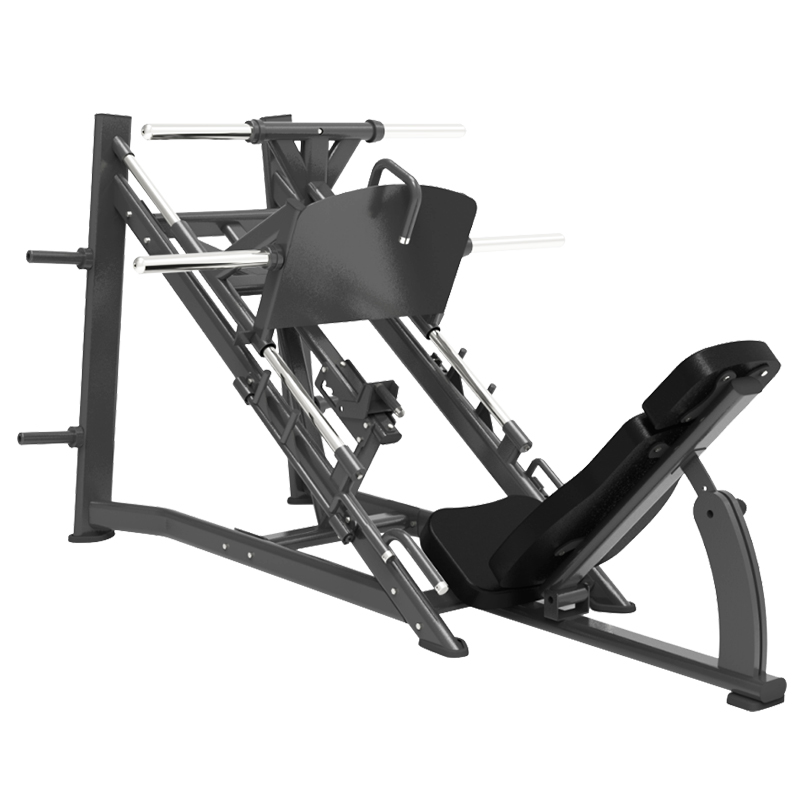
Quality and durability should never be compromised, especially if you’re investing in higher-priced equipment. Look for sturdy materials like solid steel frames for strength gear and durable, non-slip surfaces for cardio machines. Check the weight capacity to ensure it can support your needs, and read user reviews to learn about long-term performance—avoid cheap, flimsy products that break easily and end up costing more in replacements.
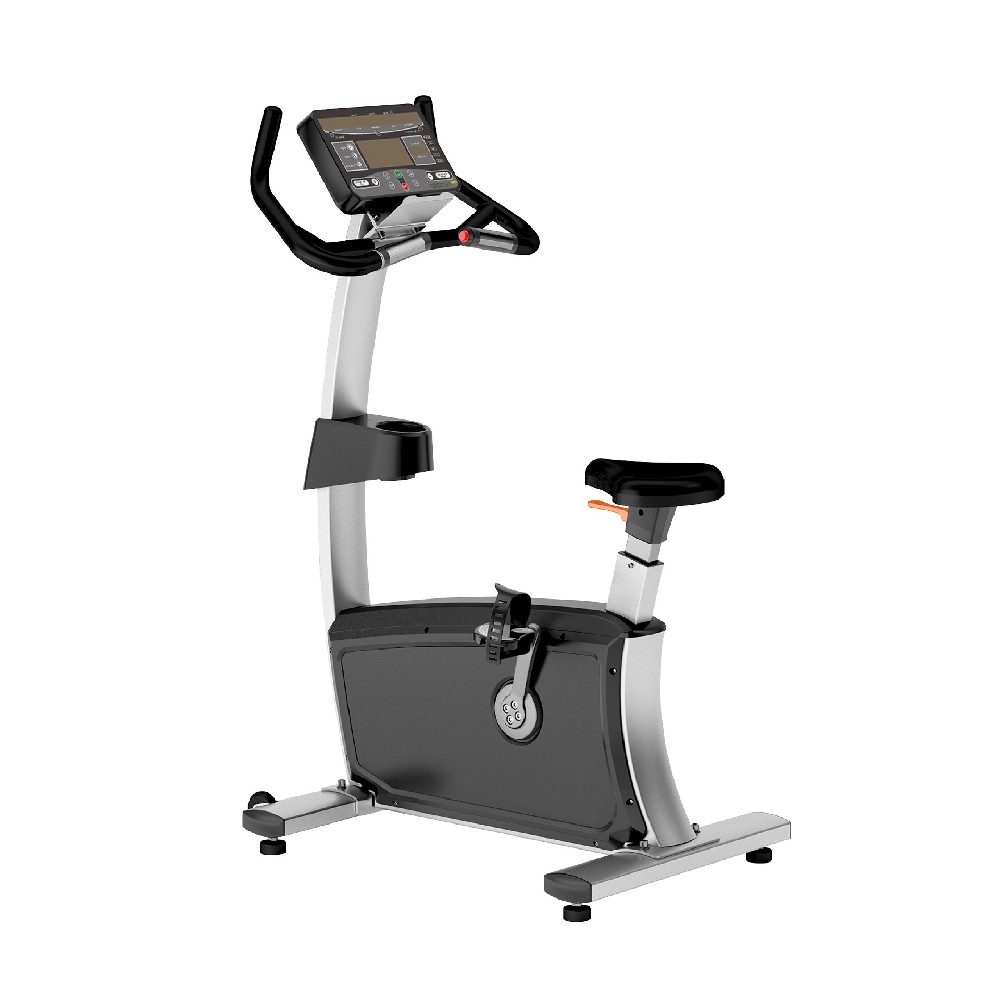
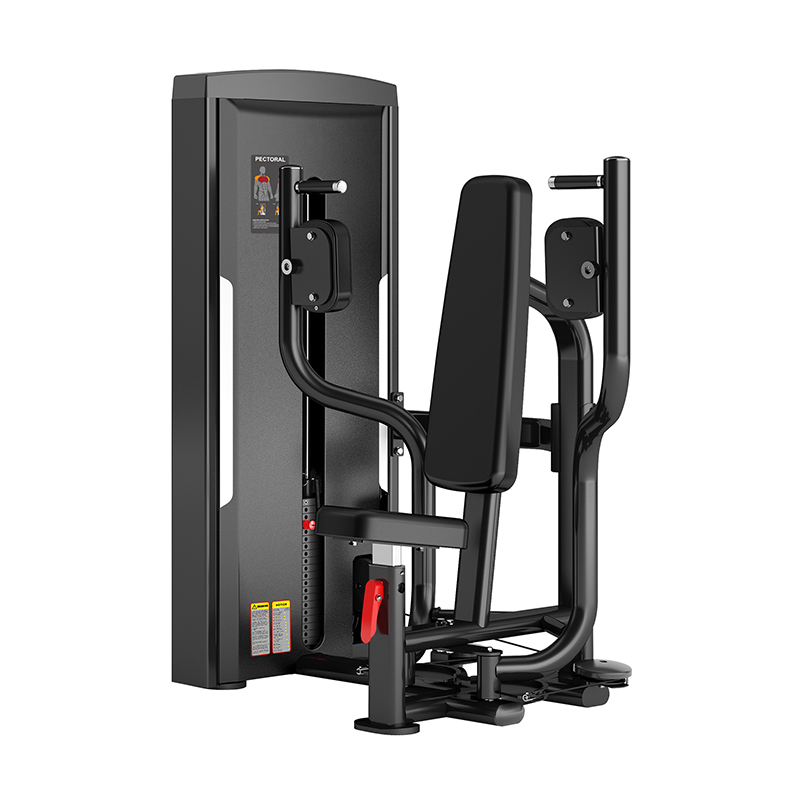
Don’t overlook safety and usability. For beginners, equipment with guided movement paths (like weight machines) reduces injury risk, while experienced users may prefer free weights that require balance and stabilizer muscles. If you have joint issues, low-impact options like ellipticals or recumbent bikes are better than high-impact treadmills. Additionally, consider how easy the equipment is to assemble and use—complex gear that requires professional setup or confusing controls may discourage you from working out regularly.
Finally, set a realistic budget and factor in hidden costs. Determine how much you’re willing to spend, and prioritize versatile, multi-purpose equipment to get the most value for your money. Remember to account for accessories like workout mats, gloves, or maintenance kits, as well as warranty and customer support—look for at least a 1-year warranty to cover potential repairs or defects. While it’s tempting to choose the cheapest option, investing a little more in quality gear will save you money and frustration in the long run.
By focusing on your goals, space, quality, safety, and budget, you can choose fitness equipment that fits your lifestyle and helps you stay consistent. Whether you’re a beginner building a home gym or an experienced athlete upgrading your gear, these tips will ensure your investment pays off in better health and sustainable workouts.