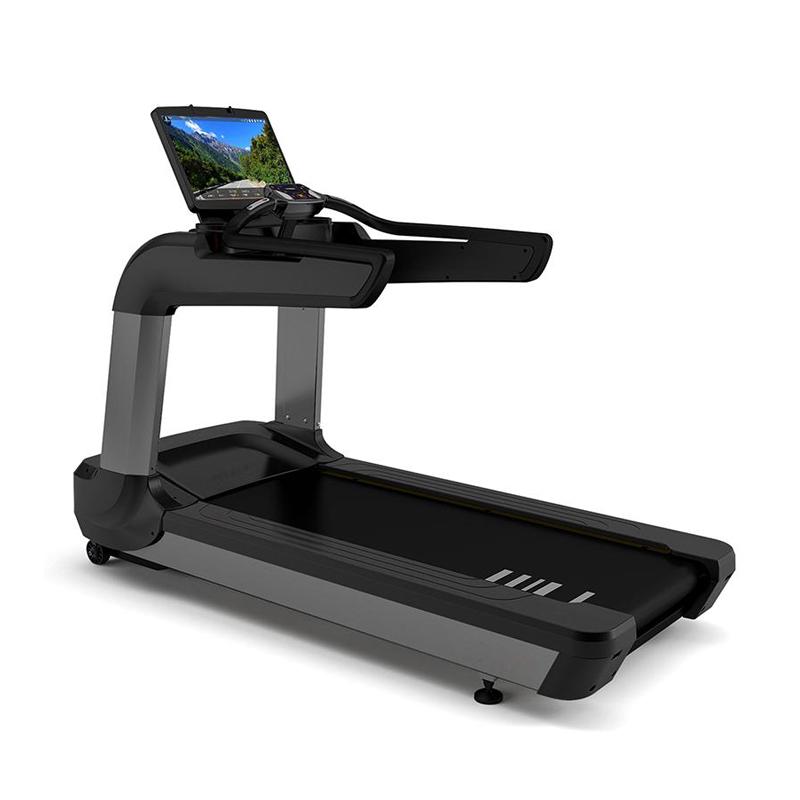
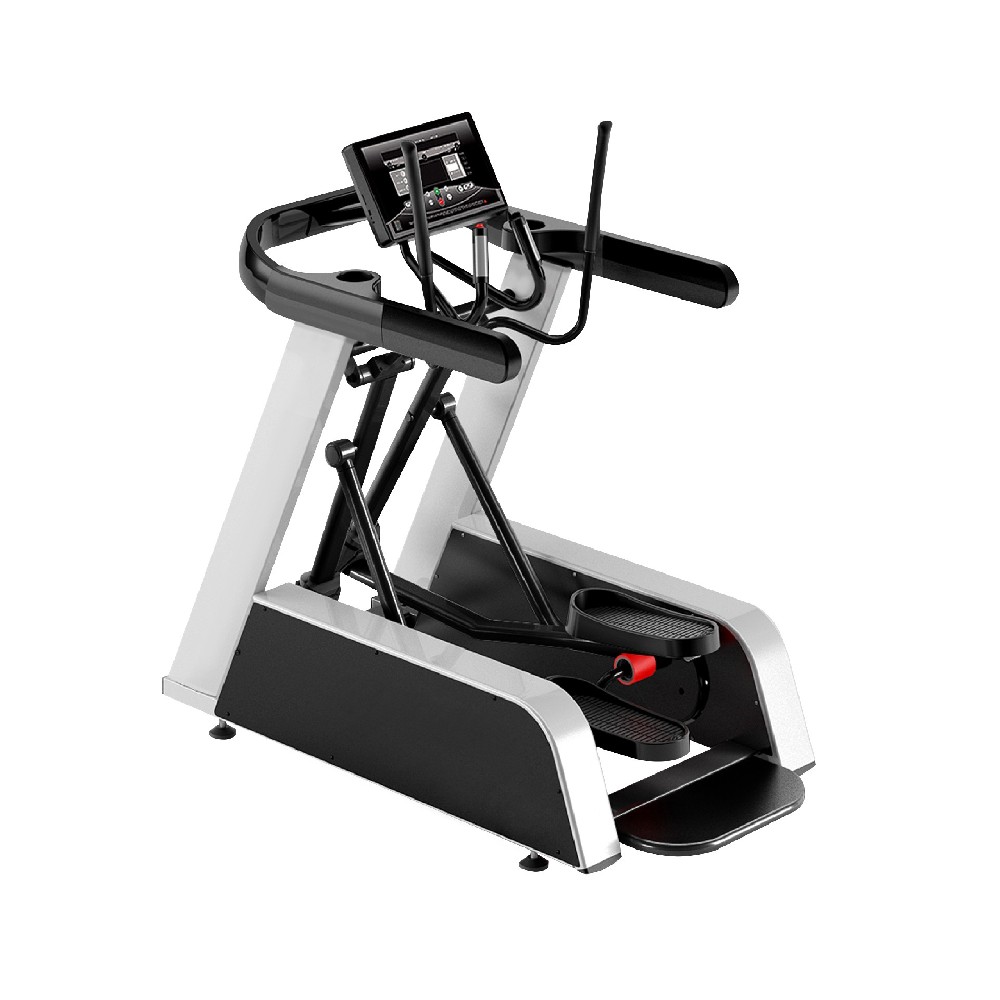
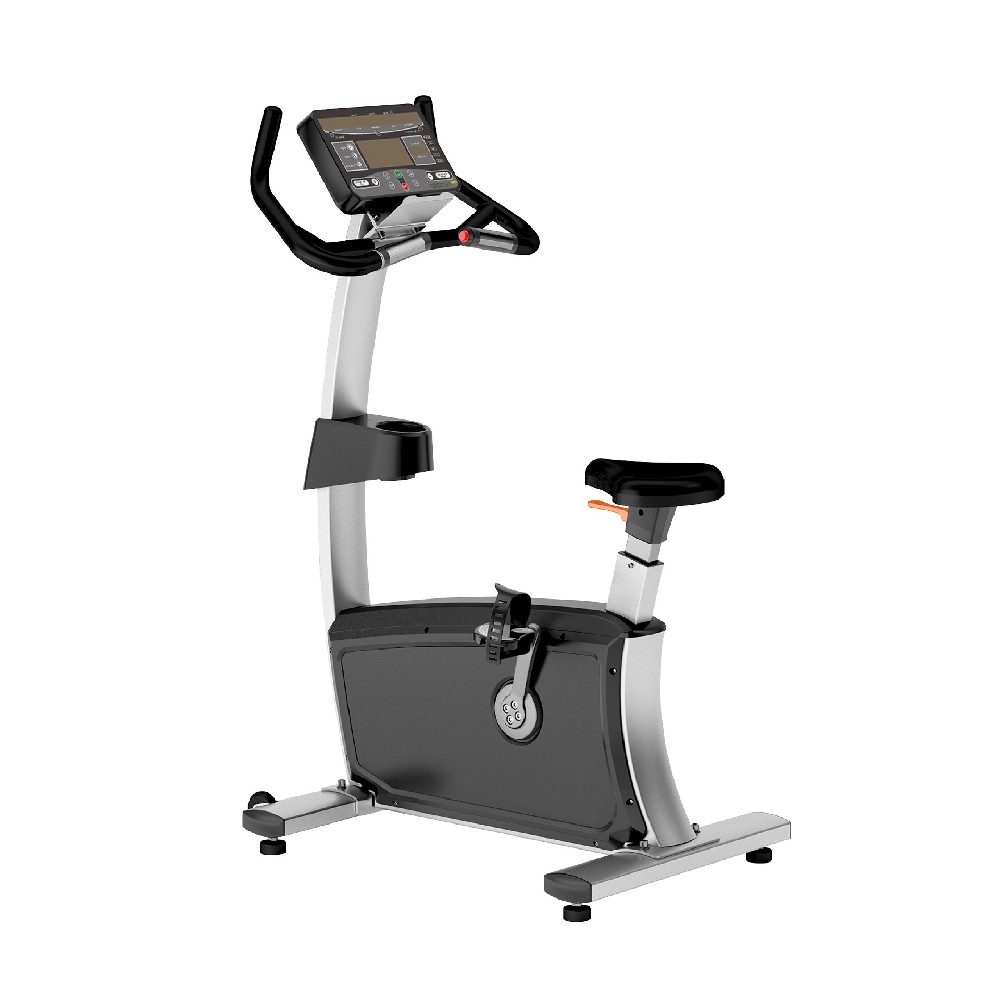
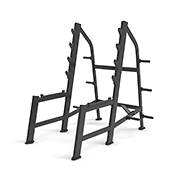
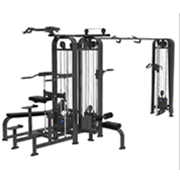
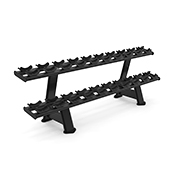
Regular exercise using home fitness equipment has grown increasingly popular, as it offers convenience, privacy, and consistent training opportunities. However, many users overlook the importance of proper installation and safe operation, which can lead to equipment damage, unstable performance, and even personal injury. This guide outlines standard installation methods and essential safety operation practices for most common fitness equipment, including treadmills, exercise bikes, strength trainers, dumbbells, and rowing machines. Following these instructions will extend equipment lifespan, ensure stable performance, and protect users from unnecessary risks.

Before installation, users must prepare a suitable environment. Fitness equipment requires a flat, hard, and stable surface to avoid shaking or tilting during use. Soft carpets or uneven floors may affect balance and increase wear on components. The installation area should also provide sufficient space around the equipment—at least 60 centimeters of clearance on all sides—to ensure safe movement and ventilation. Additionally, users must inspect all parts, including screws, support frames, cables, pedals, and electronic consoles, to confirm no components are missing, bent, or damaged. Tools such as wrenches, screwdrivers, and levelers should be prepared in advance to ensure accurate assembly.
During installation, strict adherence to the manufacturer’s manual is critical. Each piece of fitness equipment is designed with specific structural requirements, and improper assembly can compromise stability. Start by assembling the main frame securely, tightening all screws and bolts evenly to avoid loose connections. For motorized equipment such as treadmills, ensure power cords are undamaged and connected to a grounded, independent power supply to prevent electrical hazards. Hydraulic or resistance-adjustable equipment requires proper alignment of pressure valves and adjustment knobs. After assembly, perform a gentle low-speed test to check for abnormal noise, shaking, or friction. Any abnormalities must be resolved before formal use.
Safe operation is equally important to prevent injuries. Before each workout, users should warm up for 5 to 10 minutes to loosen muscles and reduce strain. When using equipment, maintain correct posture—keep your back straight, distribute weight evenly, and avoid sudden bursts of speed or excessive resistance. Overloading equipment beyond its rated weight or resistance capacity can cause structural failure. Users should also avoid touching moving parts such as belts, flywheels, and chains during operation. For adjustable settings, make changes only when the equipment is at low speed or stopped to prevent loss of balance.
Maintenance and regular inspections help sustain long-term safety and performance. After each use, wipe sweat from the equipment surface to prevent corrosion of metal parts. Lubricate running belts, chains, and rotating components according to the manufacturer’s schedule. Check for loose screws, worn cables, or damaged foot pads monthly and tighten or replace parts as needed. Keep equipment away from moisture, direct sunlight, and heavy dust to maintain electronic and mechanical stability.
In summary, proper installation and safe operation are the foundation of effective and secure fitness training. By preparing a suitable environment, following standard assembly steps, operating equipment correctly, and performing regular maintenance, users can enjoy stable, efficient, and long-lasting performance from their fitness equipment. Prioritizing safety not only protects physical well-being but also enhances overall exercise experience and helps achieve consistent fitness goals.