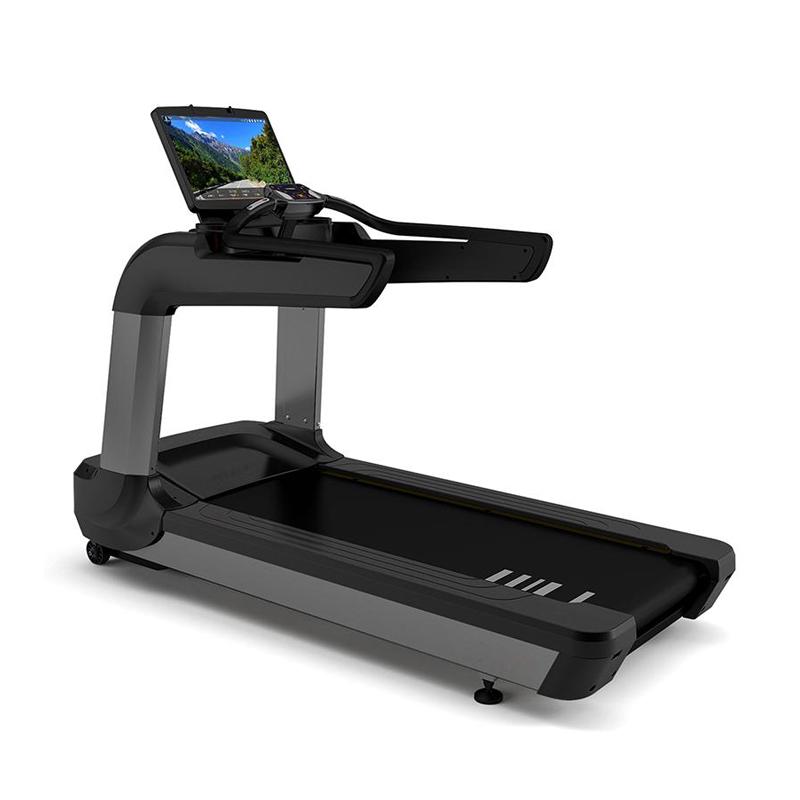
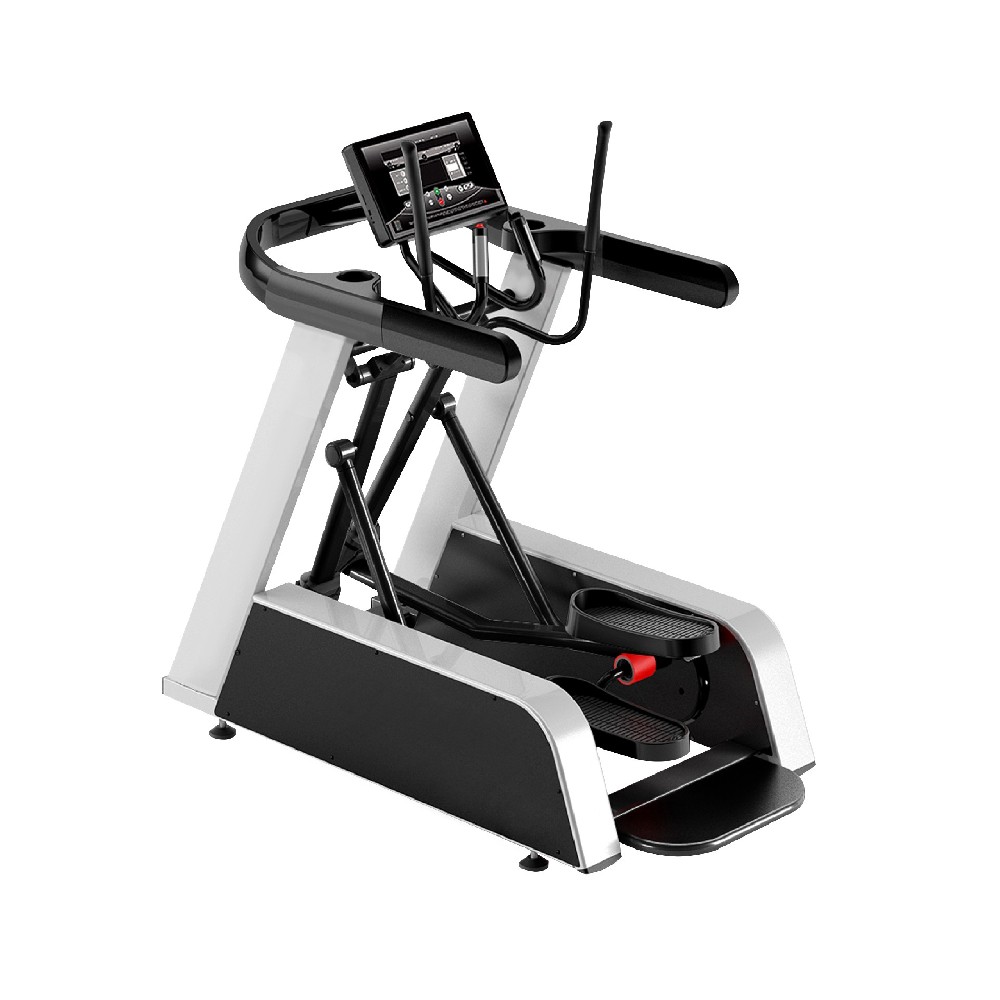
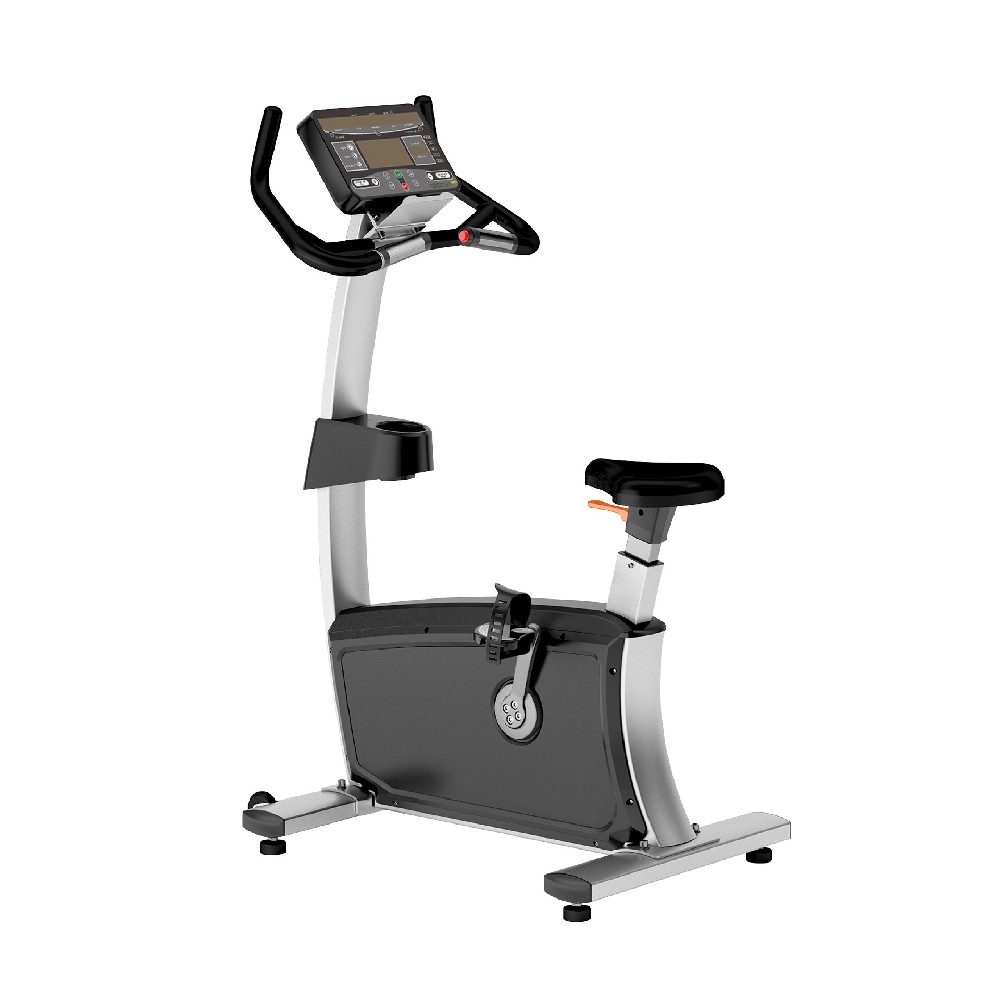
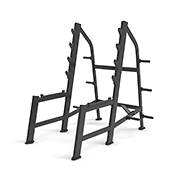
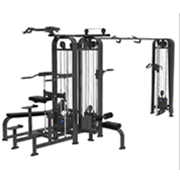
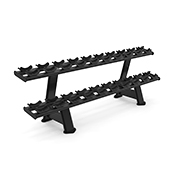
Regular and scientific maintenance is the key to extending the service life of fitness equipment. Whether for home gyms, commercial fitness centers, or public workout areas, well‑maintained machines not only perform better but also reduce replacement costs and safety risks. Neglecting basic upkeep can lead to premature wear, mechanical failures, and unstable performance. High-quality fitness equipment represents a significant investment, so proper care is essential to protect its value. By following proper maintenance habits, users can keep treadmills, dumbbells, rowing machines, elliptical trainers, and strength equipment in ideal condition for many years.

Daily care forms the foundation of long-term equipment health. First, keep all fitness equipment clean. Sweat, dust, and debris can easily accumulate on surfaces, handles, seats, and pedal areas, causing corrosion and friction damage over time. Use a soft, clean cloth with mild detergent to wipe down equipment after each use. Avoid harsh chemicals that may damage plastic, rubber, or painted surfaces.
Second, check for loose parts daily. Bolts, screws, and connecting nodes often loosen due to repeated movement during workouts. Tighten them appropriately to prevent structural instability and potential safety hazards. For treadmills, inspect the running belt for alignment and tension. An off-center or overly loose belt increases friction, puts extra strain on the motor, and shortens its service life. Simple daily checks prevent small issues from turning into costly repairs.
Weekly maintenance focuses on mechanical stability and functional testing. Lubrication is essential for moving parts such as treadmill belts, elliptical joints, and weight stack guides. Use only manufacturer‑recommended lubricants to reduce friction, noise, and component wear. Do not over-lubricate, as excess oil can attract dust and create harmful buildup.
Check electronic components, including display panels, wires, and power connections. Ensure cables are intact and not pinched or frayed. For strength training equipment, inspect steel cables, pulleys, and foam pads. Replace worn-out foam to maintain comfort and protect underlying structures. Clean under and behind equipment to remove dust buildup that can overheat motors and electronic systems.
Long-term maintenance preserves overall performance and structural integrity. Every three to six months, conduct a comprehensive full inspection. Calibrate treadmill speed and incline functions to ensure accurate performance. Test safety features such as emergency stop buttons to guarantee reliable operation during intense workouts.
For outdoor or moisture‑prone environments, pay extra attention to rust prevention. Wipe metal parts with anti-rust oil and cover equipment when not in use to shield it from humidity and oxidation. Store adjustable dumbbells and barbells in a dry, ventilated area to prevent rust on weight plates and handles.
Follow the user manual for specific maintenance schedules. Different equipment has unique requirements, and adhering to professional guidelines avoids improper handling. Professional servicing once a year is highly recommended for commercial and high-frequency home equipment to detect hidden faults early.
Scientific maintenance significantly extends the lifespan of fitness equipment, improves workout safety, and ensures consistent performance. Well-maintained machines operate smoothly, reduce injury risks, and deliver a better exercise experience. Proper care also lowers long-term expenses by reducing repair and replacement frequency.
Making maintenance a routine habit protects your investment and supports sustainable fitness routines. Whether you are a home user or a gym manager, consistent care helps equipment maintain stability and durability. With correct cleaning, inspection, lubrication, and professional checks, fitness equipment can serve reliably far beyond its expected lifespan.