In today’s fast‑paced lifestyle, many people struggle to maintain a consistent fitness routine due to busy work schedules, long commutes, or limited access to gyms. However, effective exercise no longer requires a membership or expensive facilities. By setting up a compact home workout area and using versatile fitness equipment, you can enjoy efficient, safe, and sustainable training in the comfort of your own space. This guide will show you how to make the most of home fitness equipment to build strength, burn calories, and improve overall physical health.

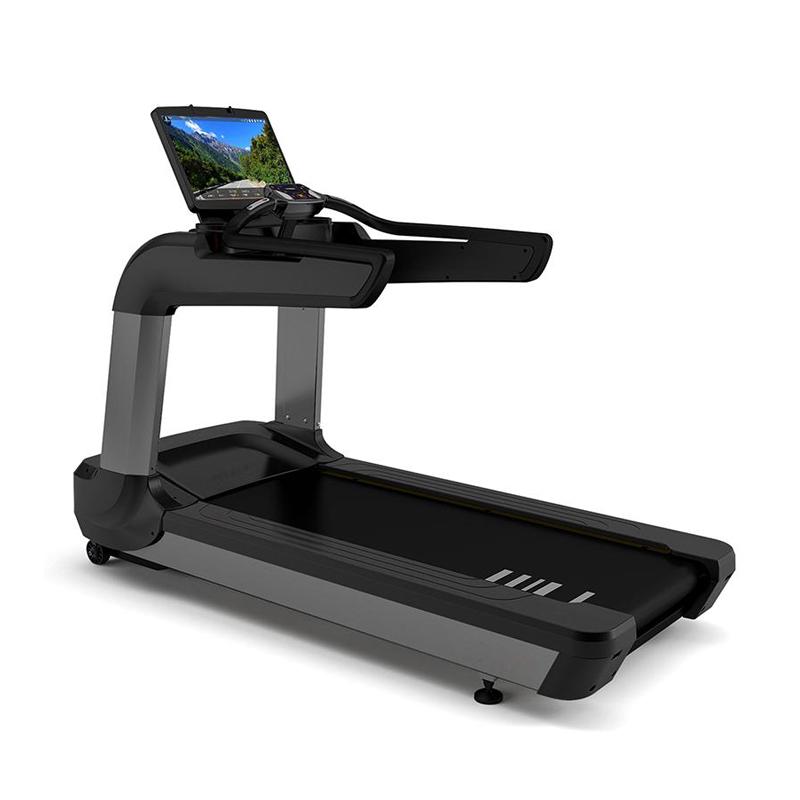
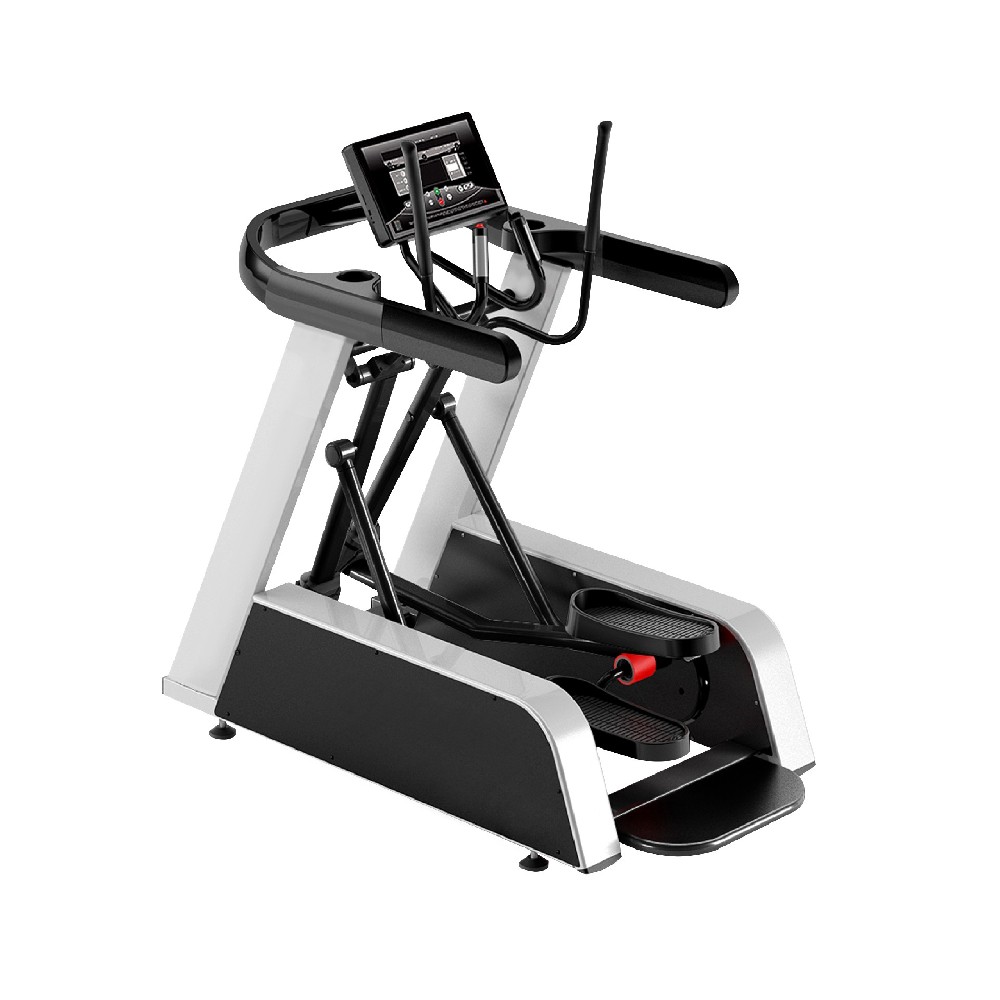
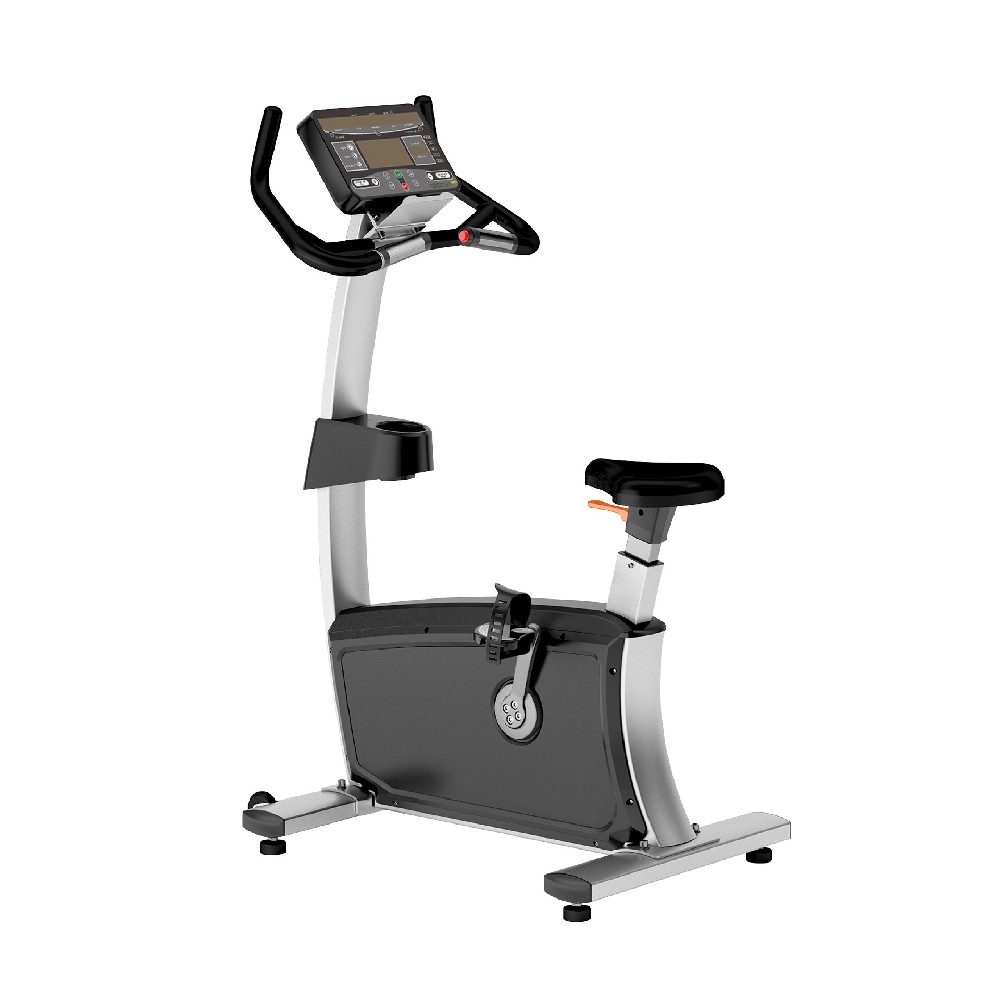
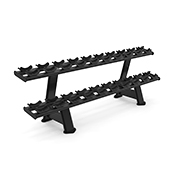
One of the biggest advantages of home training is convenience. You don’t need large, industrial‑style gym machines to achieve great results. Instead, budget‑friendly and space‑saving equipment can support full‑body workouts. Dumbbells remain one of the most popular choices for home fitness, as they allow targeted training for the arms, shoulders, chest, back, and core. Resistance bands are lightweight and flexible, making them suitable for warm‑up, rehabilitation, and low‑impact strength exercises. A yoga mat provides essential support for floor workouts, planks, and stretching routines. For cardio conditioning, a mini exercise bike, treadmill, or jump rope can rapidly increase heart rate and enhance fat burning.
To ensure truly efficient training, structure your workouts wisely rather than exercising aimlessly for long hours. A focused 20 to 30‑minute session, performed three to five times a week, often yields better outcomes than extended, irregular workouts. Always begin with a 5 to 10‑minute warm‑up to loosen muscles and reduce the risk of injury. Next, combine strength and cardio movements into a circuit to keep your heart rate elevated. Compound exercises such as squats, lunges, and modified push‑ups engage multiple muscle groups simultaneously, saving time while improving functional strength. Keep rest periods short—around 30 to 60 seconds—to maintain workout intensity.
A well‑rounded weekly routine can be easily adapted to home equipment. Start with upper body exercises using dumbbells, such as bicep curls, tricep extensions, and overhead presses. Transition to lower body training with weighted squats, glute bridges, and step‑ups. Continue with core exercises like planks, dead bugs, and Russian twists to stabilize your midsection and improve posture. Finish each session with light cardio or stretching to promote recovery and flexibility. This balanced approach helps build lean muscle, boost metabolism, and enhance endurance over time.
Safety and consistency are essential for long‑term success. Beginners should start with lighter weights and manageable repetitions to master proper form before increasing intensity. Stay hydrated, breathe steadily, and avoid overtraining to prevent fatigue or injury. Design a fixed workout schedule to turn exercise into a daily habit. Over time, you will notice increased energy, better sleep quality, improved muscle tone, and a stronger sense of well‑being.
In conclusion, home workouts using fitness equipment offer a practical, time‑saving, and highly efficient way to stay fit. With the right equipment, clear planning, and consistent effort, anyone can achieve their fitness goals without stepping foot in a gym. Whether your goal is weight loss, muscle gain, or general health improvement, a structured home workout routine will help you stay consistent, motivated, and healthy for years to come.