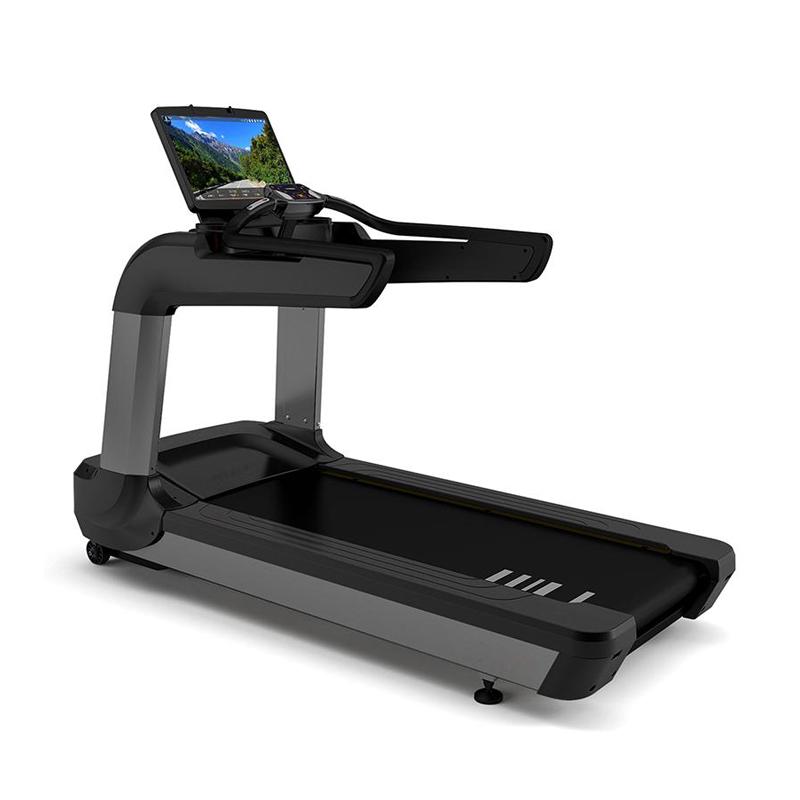
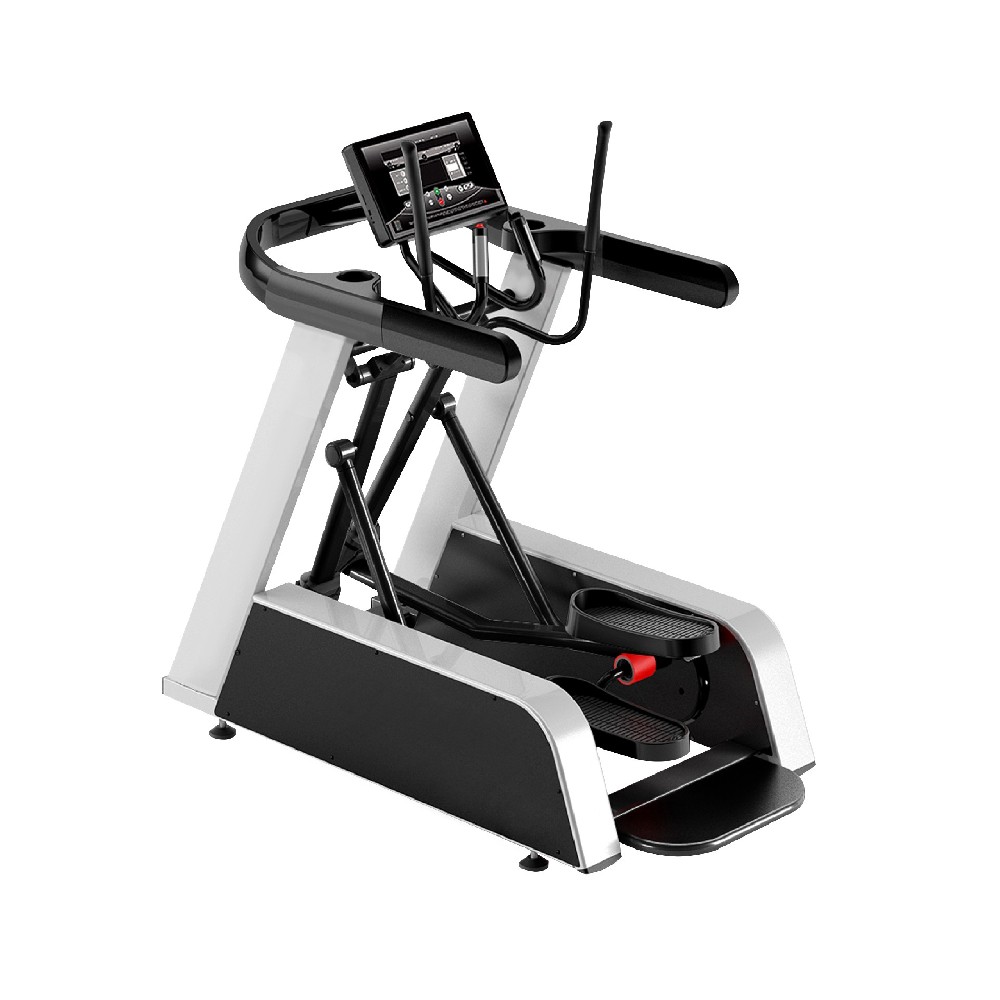
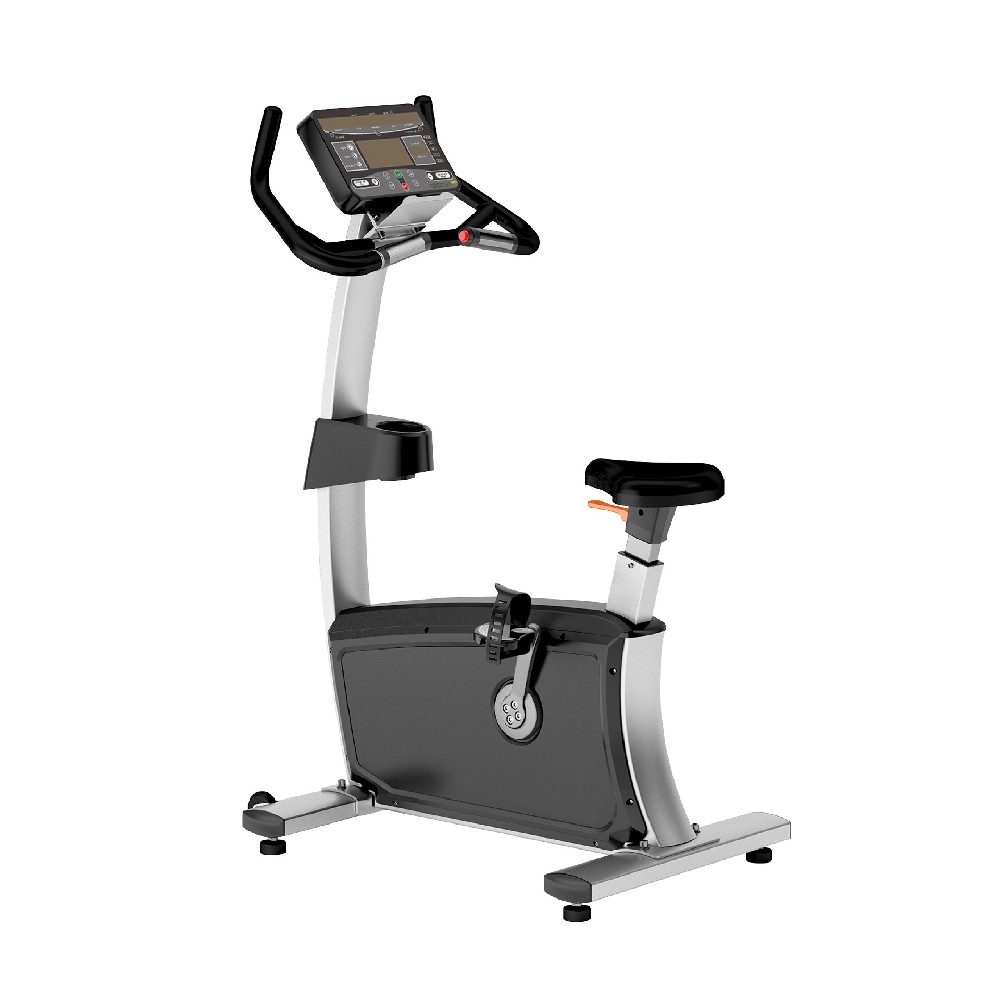
Using fitness equipment is one of the most effective ways to build strength, improve endurance, and support overall physical health. However, improper use, poor form, lack of preparation, and ignored safety rules often lead to unnecessary injuries—from muscle strains and joint pain to more serious sprains, fractures, and overuse injuries. Whether you are a beginner at the gym or a regular home workout enthusiast, following a clear fitness equipment safety guide can help you stay safe while achieving your fitness goals. This article covers essential tips to help you effectively avoid exercise injuries and train smarter, not harder.

Before using any fitness equipment, warm-up is non-negotiable. Many users jump straight into heavy lifting or high-intensity cardio without preparing their bodies, which puts sudden stress on muscles, tendons, and joints. A proper warm-up of 5 to 10 minutes increases blood flow, loosens stiff muscles, and improves flexibility. Simple movements such as arm circles, leg swings, light jogging, or dynamic stretches can significantly reduce the risk of strains. Skipping warm-up is one of the leading causes of preventable gym injuries, so make it a fixed part of every workout session.
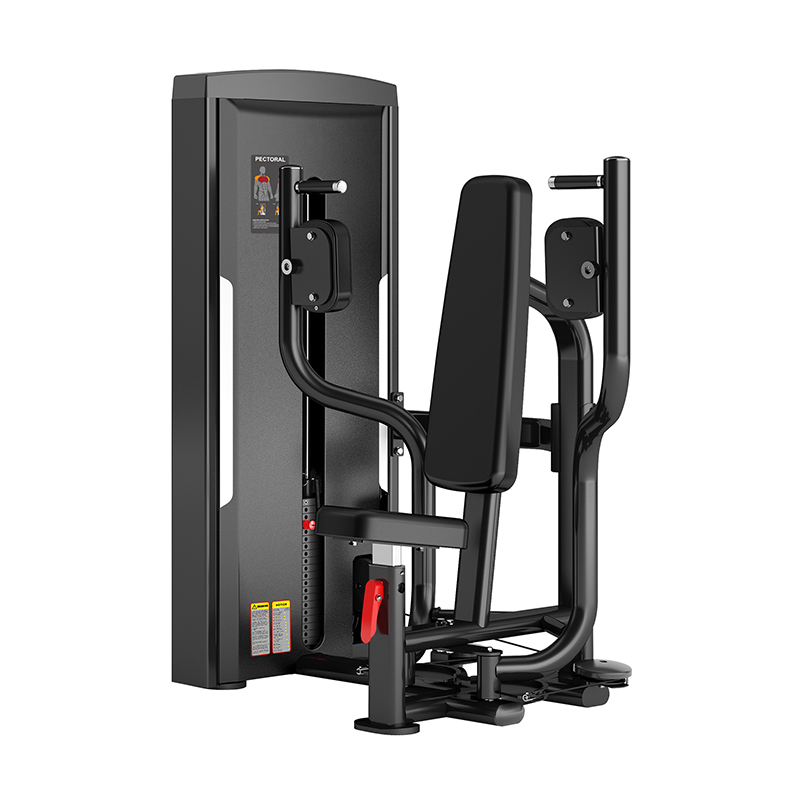
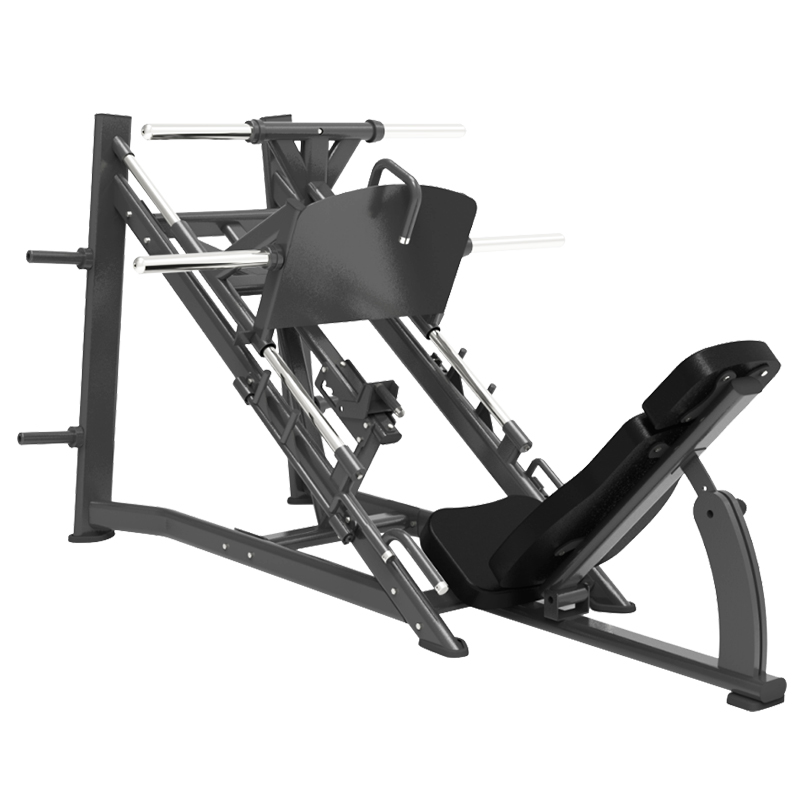
Proper form and technique are equally important. Using incorrect posture on treadmills, weight machines, dumbbells, or elliptical trainers not only reduces training effectiveness but also places abnormal pressure on the knees, lower back, shoulders, and wrists. For example, rounding the back during weight lifting or leaning too far forward on an elliptical can lead to chronic pain. If you are unsure how to operate a machine, ask a certified trainer for guidance, watch professional tutorials, or start with lighter resistance to master movement patterns. Never sacrifice form for heavier weights or faster speed—control and stability always come first.
Understanding your limits and avoiding overtraining is another key part of injury prevention. Many fitness enthusiasts push their bodies beyond reasonable fatigue, believing that more effort equals better results. In reality, overtraining weakens the body’s recovery ability and increases injury risk significantly. Gradually increase weight, speed, or workout duration instead of making sudden, large changes. Listen to your body: sharp pain, dizziness, or extreme weakness are warning signs, not signs of progress. Discomfort is normal during exercise, but real pain means you should stop immediately.
Regular equipment maintenance and safe environment setup also play a vital role in injury prevention. Whether in a commercial gym or home gym, check machines before each use: ensure cables, belts, bolts, and adjustable parts are secure and stable. Worn-out grips, loose weights, or unstable benches can cause accidents. Keep the workout area clean and free of clutter to prevent tripping or slipping. When using free weights, use collars to secure weight plates and place dumbbells and barbells in designated storage areas after use.
Rest and recovery complete the injury prevention cycle. Muscles and joints need time to repair after exercise. Adequate sleep, balanced nutrition, and targeted rest days help the body rebuild and become stronger. Ignoring recovery can lead to overuse injuries such as tennis elbow, runner’s knee, and shoulder impingement. Incorporating stretching or yoga into your routine can further improve flexibility and reduce muscle tightness.
In conclusion, avoiding fitness equipment-related injuries does not require complicated methods—it relies on consistent safe habits, proper technique, awareness of personal limits, and respect for your body. By warming up thoroughly, maintaining correct form, training moderately, checking equipment regularly, and prioritizing recovery, you can create a safe and sustainable fitness routine. Exercise should improve health, not cause harm. With the right safety measures, you can enjoy long-term progress while staying free from avoidable injuries.