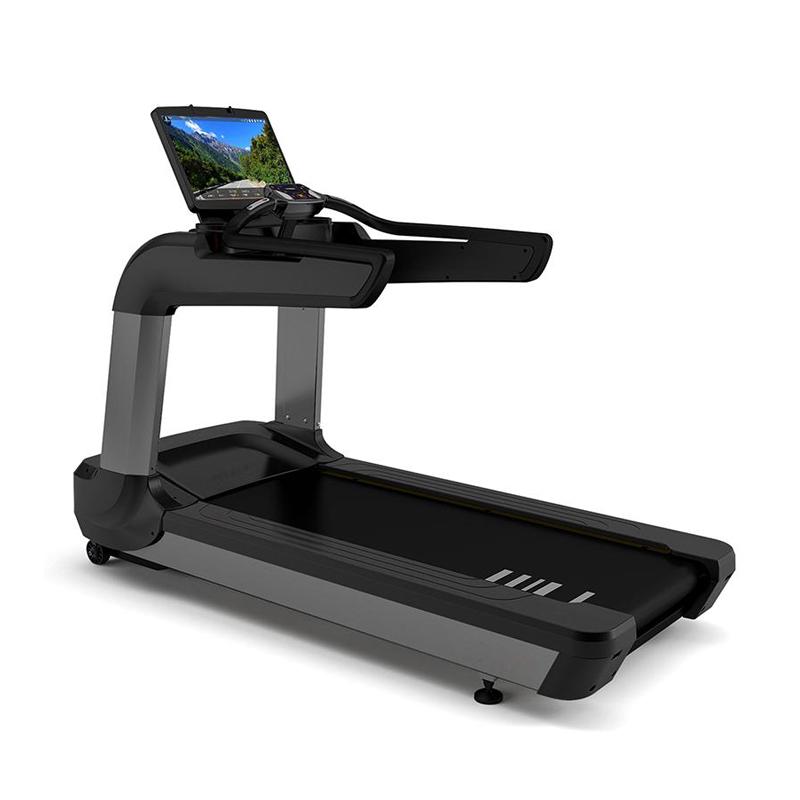
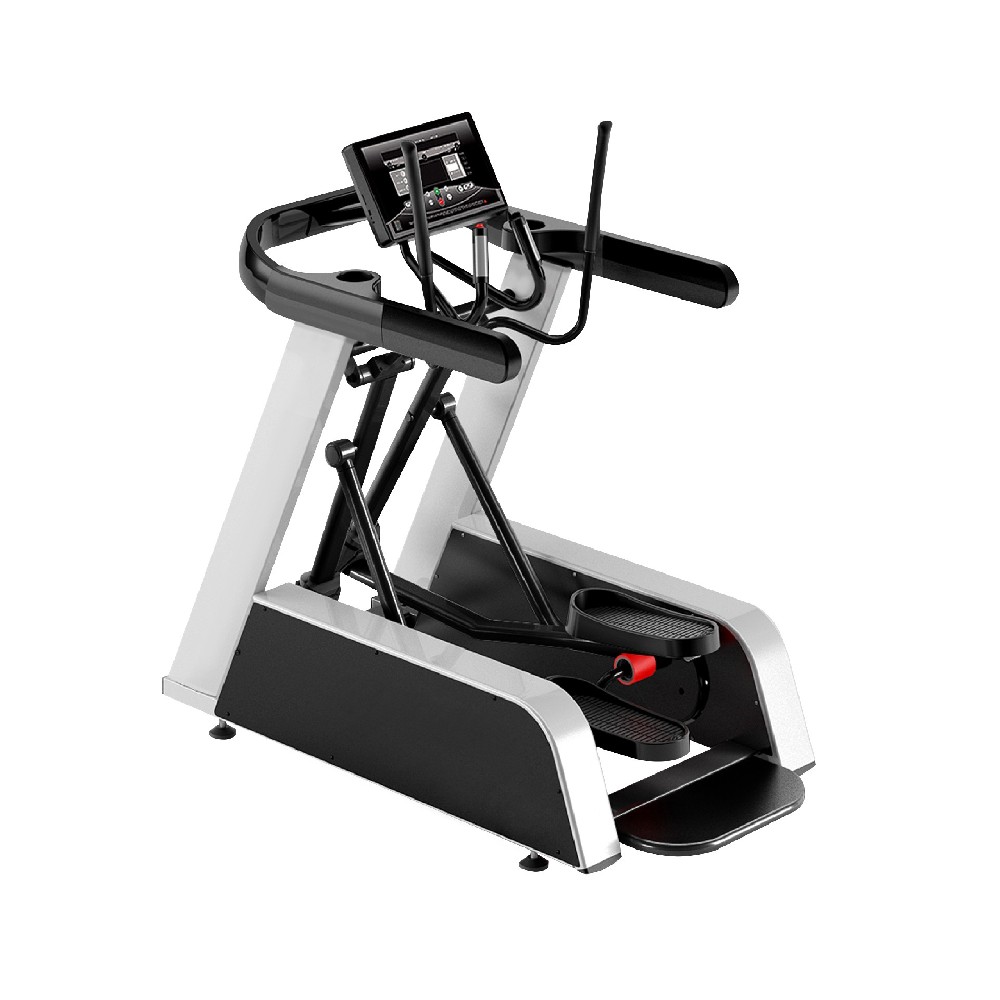
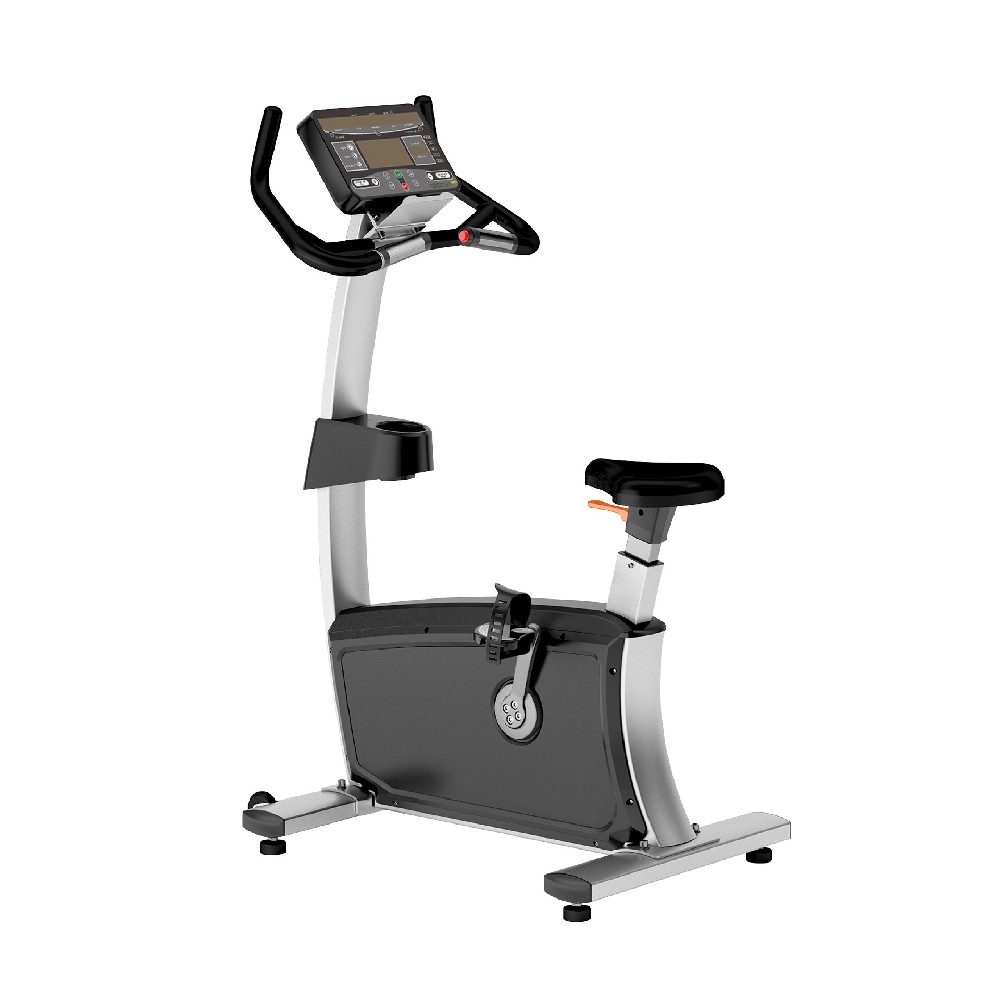
When stepping into a professional commercial gym, you will find a complete range of strength training equipment designed for different muscle groups, fitness goals, and user levels. Whether for beginner fitness enthusiasts, regular gym-goers, or professional trainers and athletes, standard strength machines form the core foundation of all resistance training sessions. Understanding the functions and benefits of common commercial strength equipment helps users build targeted workout plans and achieve better fitness results safely and efficiently.

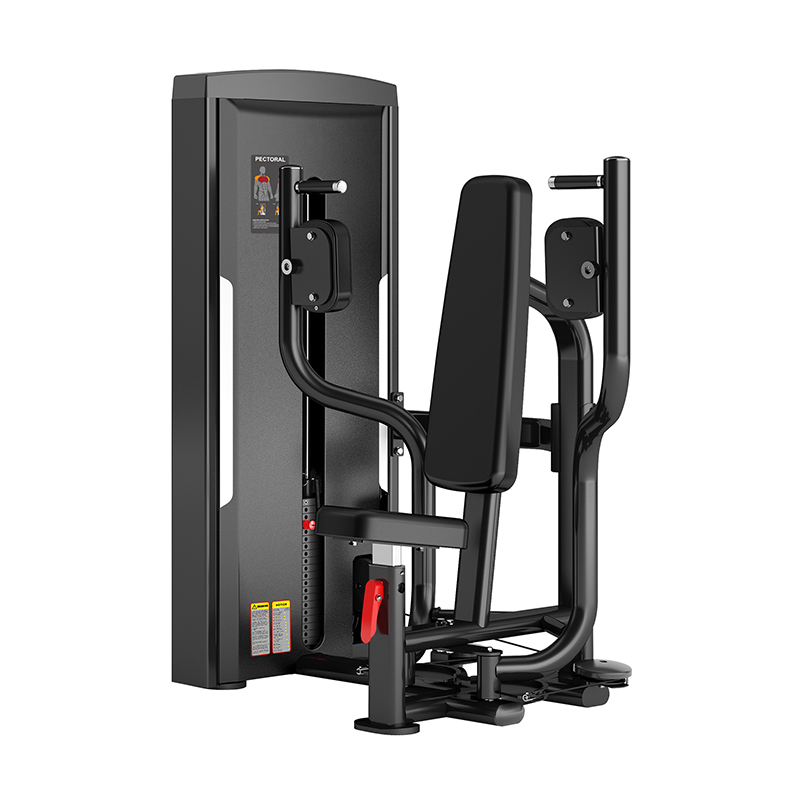
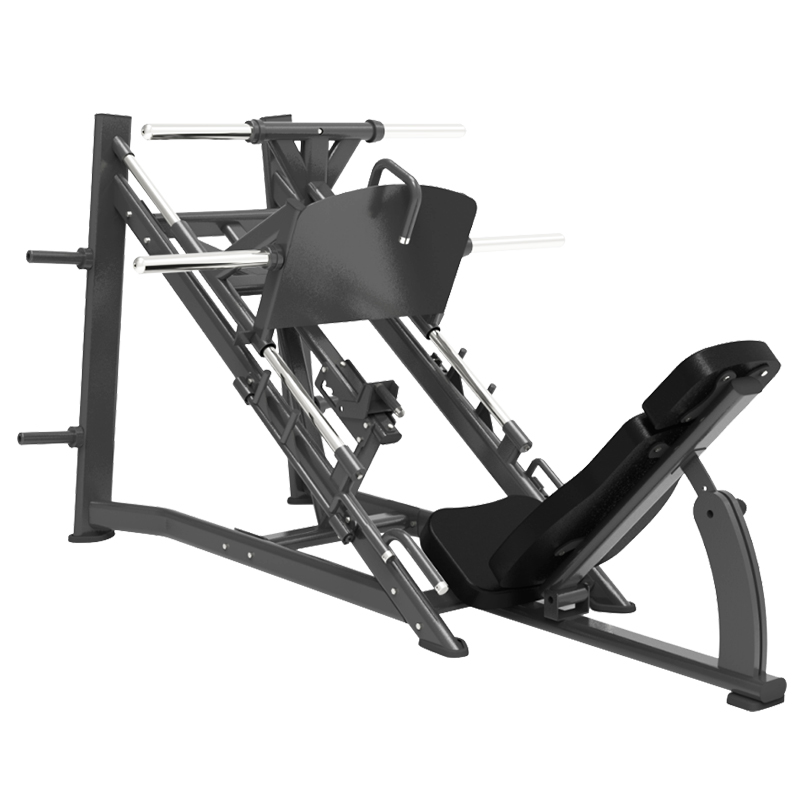
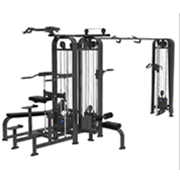
First, fixed pin-loaded strength machines are the most widely used equipment in commercial gyms. These machines feature adjustable weight stacks with easy-to-use pin settings, allowing users to change resistance quickly without extra tools. Popular models include chest press machines, shoulder press machines, lat pulldown machines, seated rowing machines, leg press machines, and leg extension machines. The biggest advantage of these fixed-path machines is their high safety level. They stabilize the body’s movement trajectory, reduce joint pressure, and prevent incorrect postures that may cause injuries. They are perfect for beginners who are still learning standard movement forms and for users focusing on isolated muscle training to shape specific body parts.
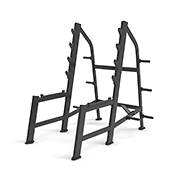
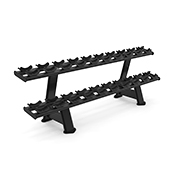
Second, free weight strength equipment is essential for advanced training and functional fitness. This category includes dumbbells, barbells, weight plates, weight benches, squat racks, power cages, and dumbbell racks. Unlike fixed machines, free weights require users to control balance, stability, and muscle coordination during every movement. Classic exercises such as barbell squats, deadlifts, bench presses, overhead lifts, and dumbbell flyes can activate multiple muscle groups at the same time. Commercial gyms usually configure high-density rubber weight plates, anti-slip dumbbells, and heavy-duty steel racks to ensure durability for long-term high-frequency use. Free weights are favored by fitness lovers who want to improve overall strength, muscle mass, and body coordination.
Third, specialized isolation strength machines complement full-body training and focus on small muscle groups that are easy to ignore. Common types include bicep curl machines, tricep dip machines, hamstring curl machines, calf raise machines, inner and outer thigh machines, and abdominal crunch machines. These professional machines provide precise muscle targeting. They help trainers modify unbalanced body proportions, strengthen weak muscle groups, and enhance overall body symmetry. They are also widely used in physical rehabilitation training and post-workout fine shaping for professional fitness models and athletes.
In commercial fitness facility design, reasonable layout of strength equipment is critical. Gym operators usually divide the strength area into machine zones, free weight zones, and isolated training zones to ensure smooth customer flow and a comfortable training environment. High-quality commercial strength equipment also adopts anti-rust metal frames, wear-resistant leather cushions, silent pulley systems, and thick steel structures to support long-term intensive use in fitness clubs, hotels, sports centers, and corporate staff gyms.
In conclusion, complete strength equipment is the key to a qualified commercial gym. Pin-loaded machines ensure safety and easy operation for beginners, free weights boost comprehensive strength and muscle growth, and specialized isolation machines refine local muscle training. Choosing standard, durable, and ergonomic strength equipment not only improves user training experience but also enhances the overall professionalism and competitiveness of a commercial fitness space.