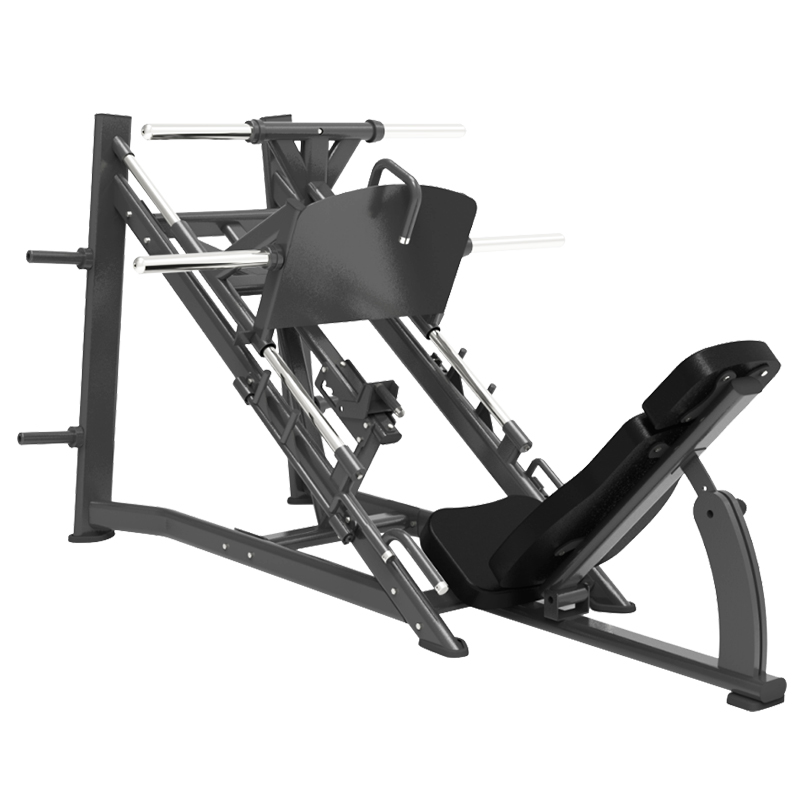
If you want stronger, more muscular legs without putting unnecessary stress on your lower back, the vertical leg press is one of the most effective machines you can use. It targets your quads, glutes, hamstrings, and calves in one controlled movement, making it perfect for beginners, intermediate lifters, and advanced athletes alike. In this ultimate guide, we cover everything you need to know about the vertical leg press: benefits, proper form, common mistakes, and how to include it in your leg workouts for real results.

The vertical leg press is often underrated compared to squats and horizontal leg presses, but it offers unique advantages. First, it supports your back and spine, reducing pressure on your lower back while still allowing you to lift heavy weight. This makes it ideal for people recovering from injuries, those with back pain, or anyone who wants to build leg strength safely. Second, it places a strong focus on your quadriceps, helping you build thickness and definition in the front of your thighs. It also activates your glutes and hamstrings, supporting overall lower-body development. Finally, the vertical leg press improves leg power, stability, and functional strength that carries over to daily life and other exercises.
Using proper form on the vertical leg press is critical to avoid injury and get the best results. Start by sitting in the machine with your back flat against the pad and your feet placed shoulder-width apart in the middle of the footplate. Your knees should be aligned with your toes, not caving inward or flaring outward. Grip the handles for stability and push through your heels to extend your legs fully—do not lock your knees at the top. Slowly lower the weight back down until your knees form a 90-degree angle, or slightly deeper if you feel comfortable. Breathe out as you push up and breathe in as you lower the weight. Control is more important than speed.
Many people make simple mistakes that reduce effectiveness or lead to knee pain. One common error is using too much weight and bouncing at the bottom, which puts stress on your joints. Another is lifting with your toes instead of your heels, which shifts focus away from your quads and glutes. Rounding your lower back or lifting your hips off the pad is also dangerous and takes tension away from your legs. Stick to a weight you can control with perfect form for every rep.
For the best leg growth, include the vertical leg press early in your workout when you have the most energy. Aim for 3 to 4 sets of 8 to 12 reps for muscle hypertrophy, or 4 to 5 sets of 4 to 6 reps for pure strength. You can combine it with squats, lunges, leg curls, and calf raises for a complete leg day. Beginners should start light and focus on form before increasing weight.
Whether you want bigger quads, stronger glutes, or more stable knees, the vertical leg press delivers consistent, reliable results. It is a safe, versatile, and efficient tool for building stronger legs that look and perform better. Add it to your routine, master your form, and watch your lower-body strength improve week after week.