If you’ve ever wandered around a gym or scrolled through fitness social media, you’ve likely seen people performing the incline chest fly. This staple upper-body exercise is beloved by bodybuilders, casual lifters, and fitness enthusiasts alike—but what exactly is it, and why should beginners add it to their routine? Let’s break down everything new lifters need to know about the incline chest fly, from form basics to key benefits and common mistakes.

First, let’s define the movement: The incline chest fly is a isolation exercise that targets the upper portion of the pectoralis major (your chest muscles), along with the anterior deltoids (front shoulders) and serratus anterior (the muscles under your chest that connect to your ribs). Unlike compound presses (like the bench press) that work multiple muscle groups at once, the incline chest fly isolates the chest, making it ideal for building definition, improving mind-muscle connection, and strengthening areas that compound lifts might overlook.
To perform a basic incline chest fly with dumbbells, follow these simple steps:
Set an adjustable bench to a 30–45° incline (steeper angles shift more focus to the upper chest, while shallower angles engage the mid-chest).
Lie back on the bench, holding a dumbbell in each hand with your palms facing forward.
Extend your arms straight up over your chest, keeping a slight bend in your elbows to avoid joint strain.
Slowly lower the dumbbells out to the sides in a wide arc, until your arms are parallel to the floor (or until you feel a gentle stretch in your chest).
Pause for a moment, then squeeze your chest muscles to bring the weights back up to the starting position.
One of the biggest benefits of the incline chest fly for beginners is its ability to build a well-rounded chest. Many new lifters focus solely on flat bench presses, which can lead to an imbalanced, “droopy” chest appearance. The incline variation targets the often-neglected upper chest, helping to create a fuller, more sculpted look that complements other chest exercises. Additionally, because it’s an isolation movement, it’s gentler on the shoulders and elbows than heavy pressing exercises, making it a safer choice for those new to strength training or recovering from minor injuries.
That said, there are a few common mistakes new lifters should avoid to maximize results and prevent injury:
Locking your elbows: Keeping your arms completely straight during the movement puts unnecessary stress on your elbow joints. Maintain a soft bend in your elbows throughout the exercise.
Using too much weight: The incline chest fly relies on controlled movement, not brute force. Lifting heavy weights can cause you to arch your back, swing the weights, or strain your shoulders—stick to lighter weights and focus on form.
Rushing the movement: Lower the weights slowly (taking 2–3 seconds) and squeeze your chest at the top of the movement. This time under tension is what builds muscle and definition.
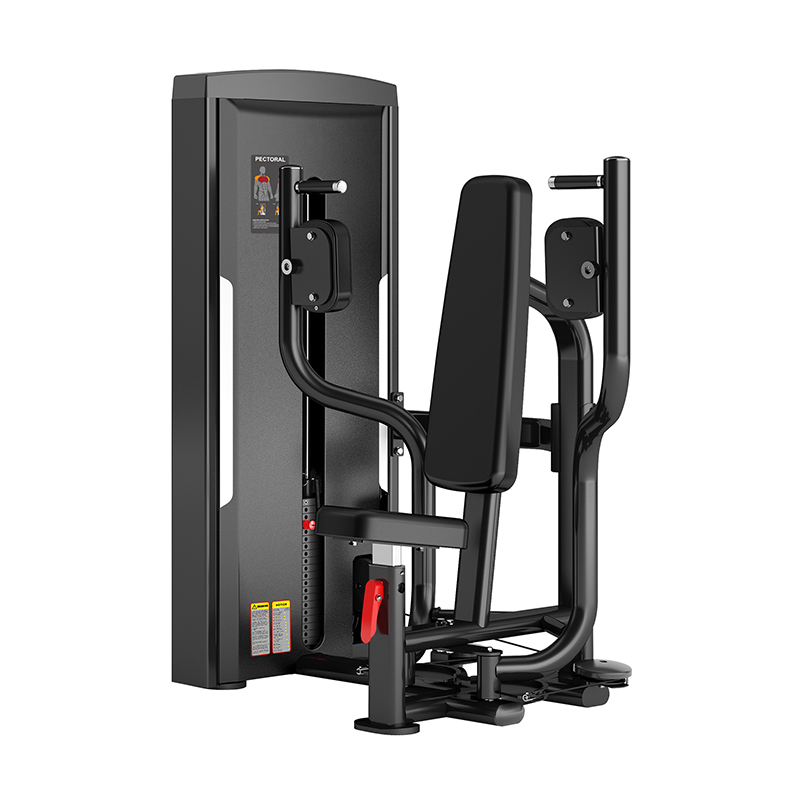
For beginners, we recommend starting with 3 sets of 12–15 reps per arm, using light dumbbells (5–10 pounds, depending on your strength level). As you build confidence and strength, you can gradually increase the weight or add variations (like using a cable machine or incline chest fly machine) to keep your workouts challenging.
In short, the incline chest fly is a versatile, beginner-friendly exercise that’s essential for building a strong, balanced chest. Whether you’re using dumbbells, cables, or a dedicated incline chest fly machine, mastering this movement will help you unlock new levels of upper-body strength and aesthetics.