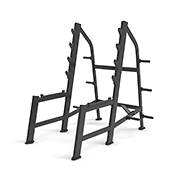
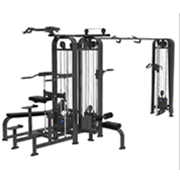
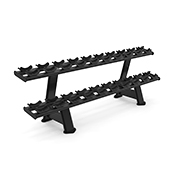
If you’re new to the gym, walking into a room full of barbells, dumbbells, and machines can feel overwhelming. One of the most common questions for fitness beginners is: What should I train first? The short, science-backed answer is simple: start with fixed machines, then gradually move to free weights. This order keeps you safe, builds proper form, and helps you see consistent progress without injury or frustration.

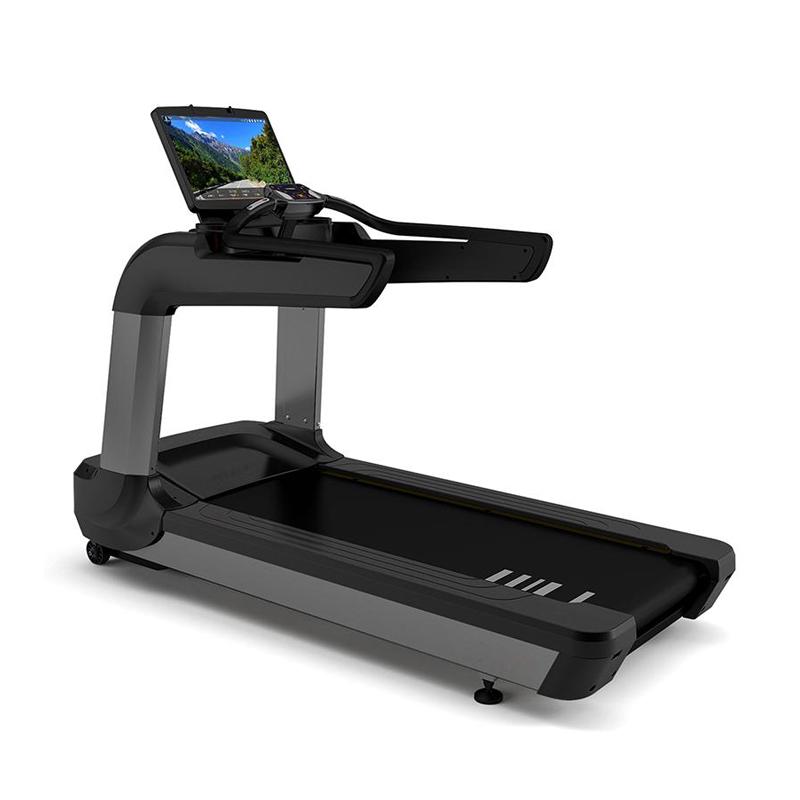
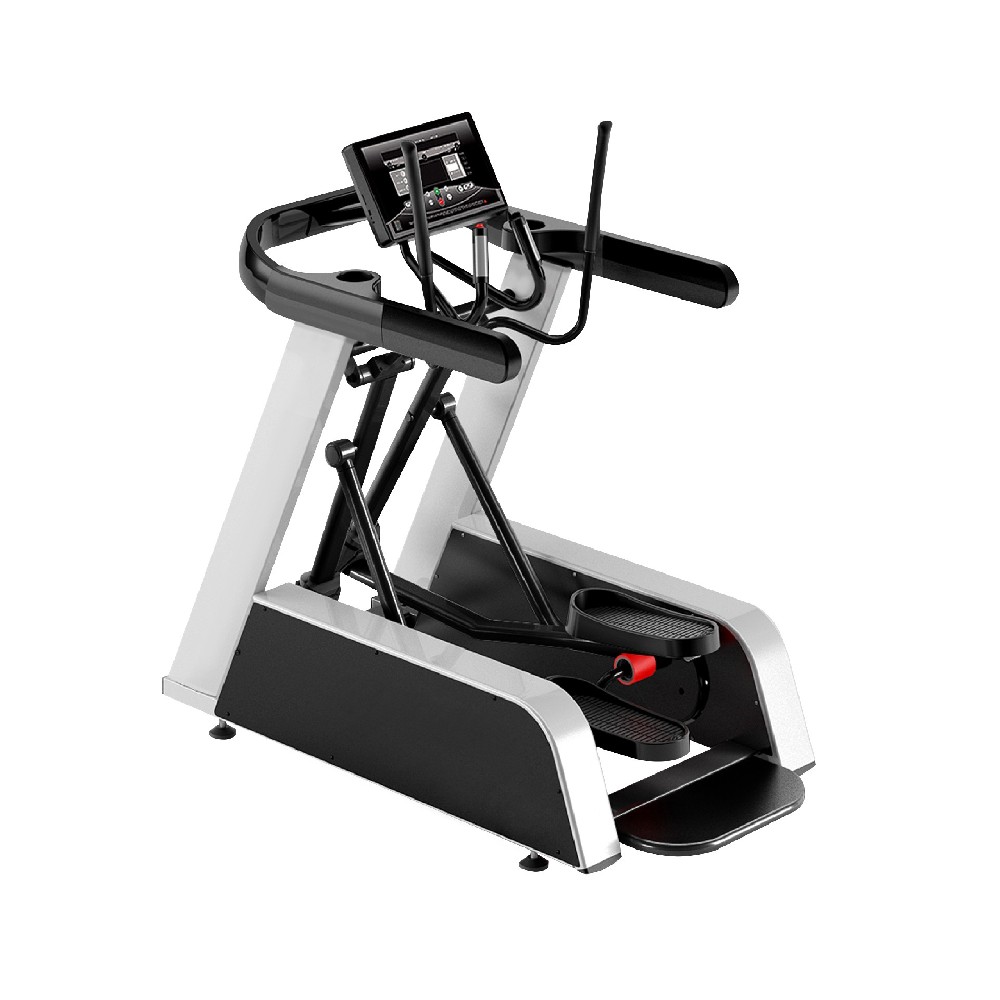
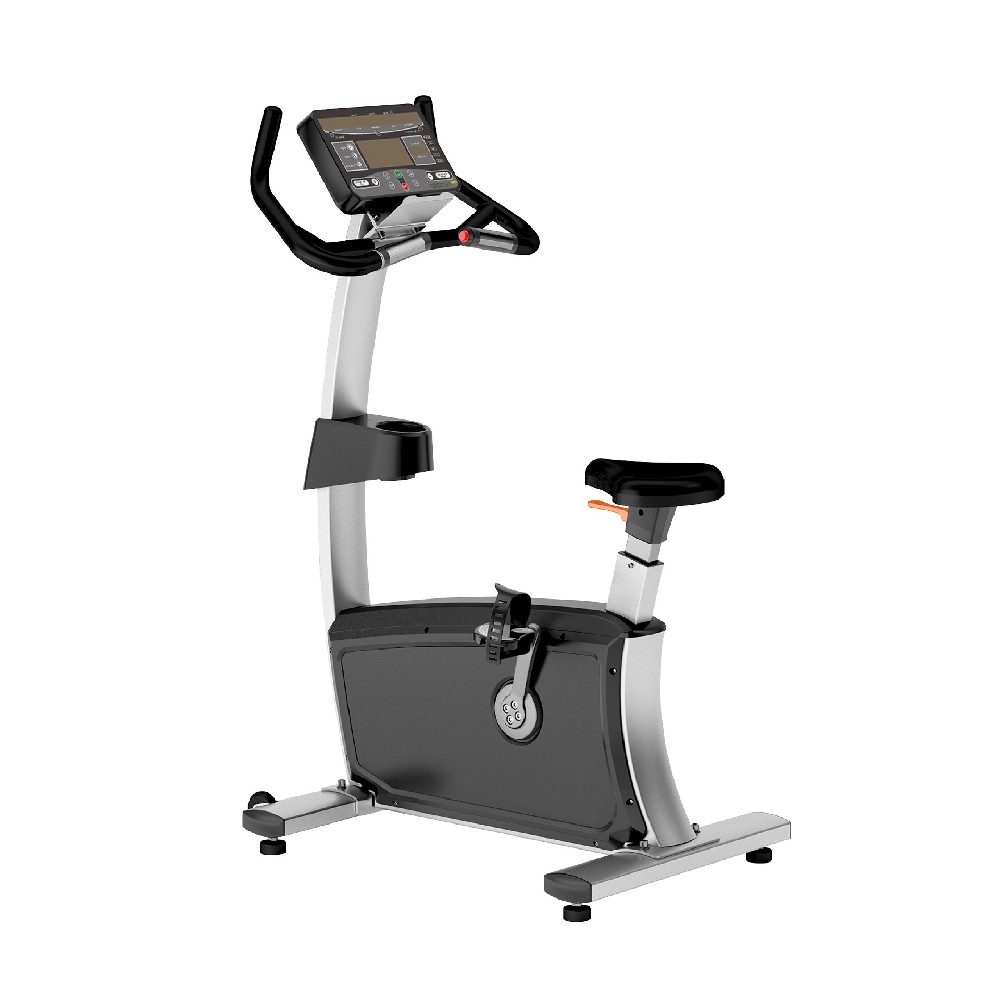
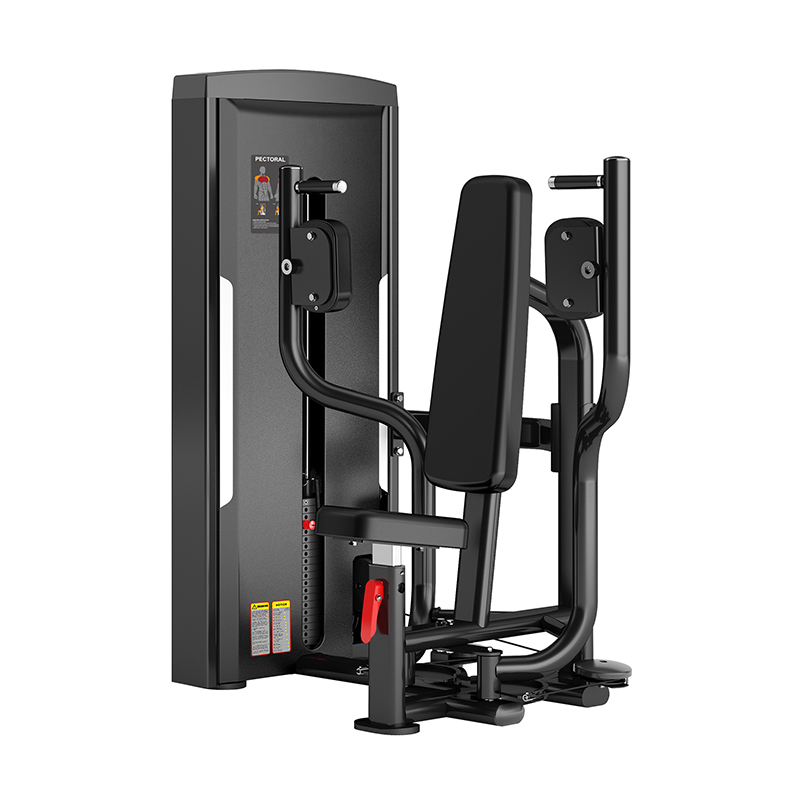
Fixed machines are the perfect starting point for gym newbies. Unlike free weights, machines guide your movement along a fixed path. This means you don’t have to worry about balancing the weight or controlling unwanted motion. For beginners, this stability is game-changing. It lets you focus on feeling the right muscles working—whether that’s your chest on the chest press, legs on the leg press, or back on the lat pulldown—instead of worrying about dropping a weight or losing control.
Another major benefit of machines is that they reduce injury risk. Many new exercisers hurt themselves not because the weight is too heavy, but because their form is poor. Machines limit improper movement patterns, making it much harder to round your back, strain your joints, or use momentum instead of muscle. This safe environment helps you build confidence and a strong fitness foundation before taking on more challenging equipment.
Machines also make it easy to track progress. Most machines have clear weight settings, so you can slowly add small increments as you get stronger. For beginners, seeing steady improvement—even 2.5 or 5 pounds more per week—keeps motivation high. You’ll build basic muscular endurance, learn basic movement patterns, and get comfortable in the gym before progressing to the next level.
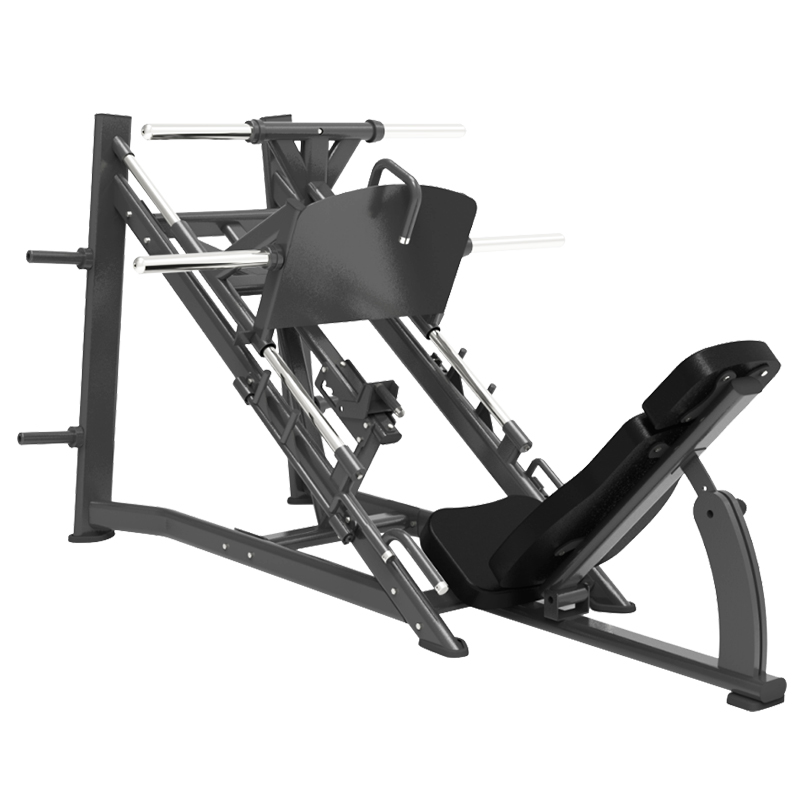
Once you’ve mastered machines, usually after several weeks or months, it’s time to introduce free weights: dumbbells, barbells, and kettlebells. Free weights require more balance, stability, and core engagement because they aren’t restricted by a machine. They activate more muscle groups at once, support real‑world strength, and allow for more natural, functional movement patterns.
Free weights are also more flexible for building muscle and strength long‑term. You can adjust your grip, angle, and range of motion to target muscles in different ways. However, these advantages only matter once you already understand proper form, body awareness, and muscle control—skills you learn best with machines.
To sum up, the best workout order for fitness beginners is:
Start with fixed machines to learn form, build confidence, and stay safe.
Progress to free weights to improve balance, functional strength, and muscle growth.
You don’t have to choose one or the other. Many experienced gym-goers use both machines and free weights in their routines. But as a beginner, following the machine-then-free-weight path will give you the strongest possible foundation.
Consistency matters more than perfection. Don’t rush to lift heavy or copy advanced lifters. Take it step by step, focus on good movement, and trust the process. By starting with machines and moving to free weights at the right time, you’ll build a body that’s strong, capable, and healthy for years to come.