If you’ve been struggling to build noticeable, sculpted calves, you’re far from alone. Many gym-goers focus only on standing calf raises or skip direct calf training entirely, wondering why their lower legs stay small and underdeveloped. The secret to unlocking serious calf growth isn’t just training harder—it’s training smarter with the seated calf raise.

Unlike standing calf raises, which heavily involve the gastrocnemius (the upper, diamond-shaped calf muscle), seated calf raises target the soleus muscle underneath. The soleus is often neglected but makes up a large portion of your calf’s overall size and thickness. When built properly, it creates a full, 3D look that makes your calves appear impressive from every angle.
To get the most out of seated calf raises, form comes first. Sit comfortably on a seated calf raise machine with your upper thighs secured under the pad. Place the balls of your feet on the foot platform and lower your heels as far down as you can. You should feel a deep stretch in your calves. From this stretched position, push through your toes to raise your heels as high as possible, squeezing your calves tightly at the top. Hold this peak contraction for one full second before slowly lowering back down.
Avoid rushing the movement. Fast, bouncing reps reduce muscle tension and increase injury risk. Aim for a 2-second eccentric (lowering) phase to maximize muscle damage and growth.
For the best results, use this ultimate seated calf raise workout:
Start with 2–3 warm-up sets of 15–20 reps using light weight. This increases blood flow and prepares your calves for heavy work. Follow with 3–4 working sets of 10–15 reps. Choose a weight that makes the last 3–5 reps feel challenging but still controlled. You can also add slow negatives or partial reps at the top for extra intensity.
To keep your calves growing, use progressive overload. Each week, try adding a small amount of weight, doing one extra rep, or holding the top squeeze a little longer. Calves are a stubborn muscle group and respond best to consistent, gradual overload.
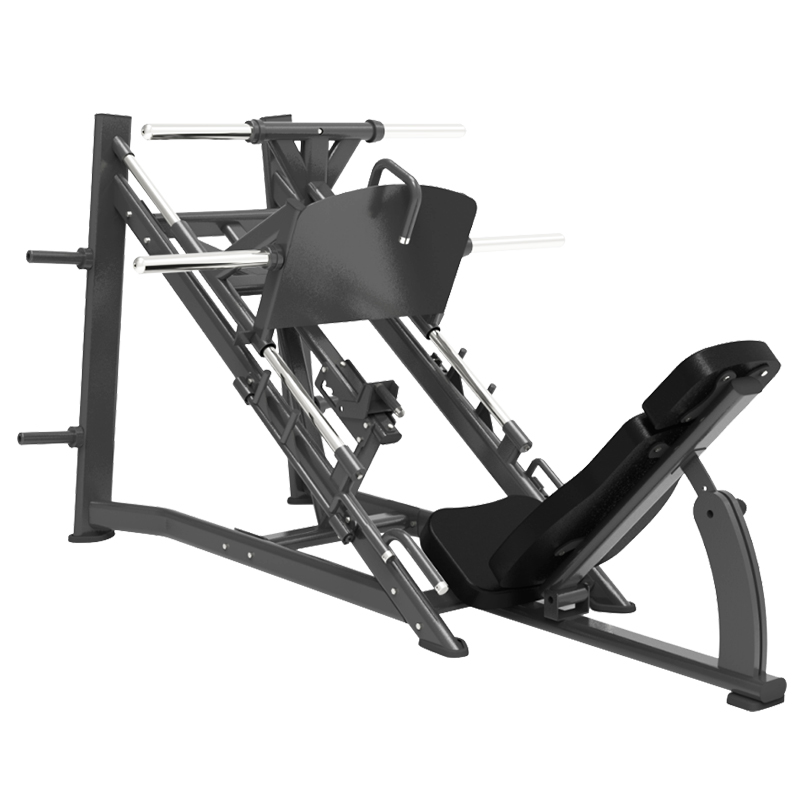
You don’t need to train calves every day. 2–3 calf workouts per week, either on leg day or at the end of your workouts, is enough to stimulate growth. Pair seated calf raises with standing calf raises and leg press calf raises for complete calf development.
In conclusion, the seated calf raise is one of the most effective exercises for building impressive calves. By targeting the often-ignored soleus muscle, it adds thickness and fullness that standing exercises alone can’t match. With proper form, consistent training, and progressive overload, you’ll finally see the calf growth you’ve been working toward.
Stop letting weak calves hold back your physique. Add seated calf raises to your routine and build the strong, eye-catching calves you deserve.