When it comes to lower-body strength training, the leg press is a gym staple—but choosing between the 45-degree and horizontal variations often leaves fitness enthusiasts confused. Both target your quads, glutes, hamstrings, and calves, but their biomechanics, muscle activation, and suitability for different goals set them apart. To help you pick the right one for your workout routine, we break down their key differences, benefits, and ideal use cases.

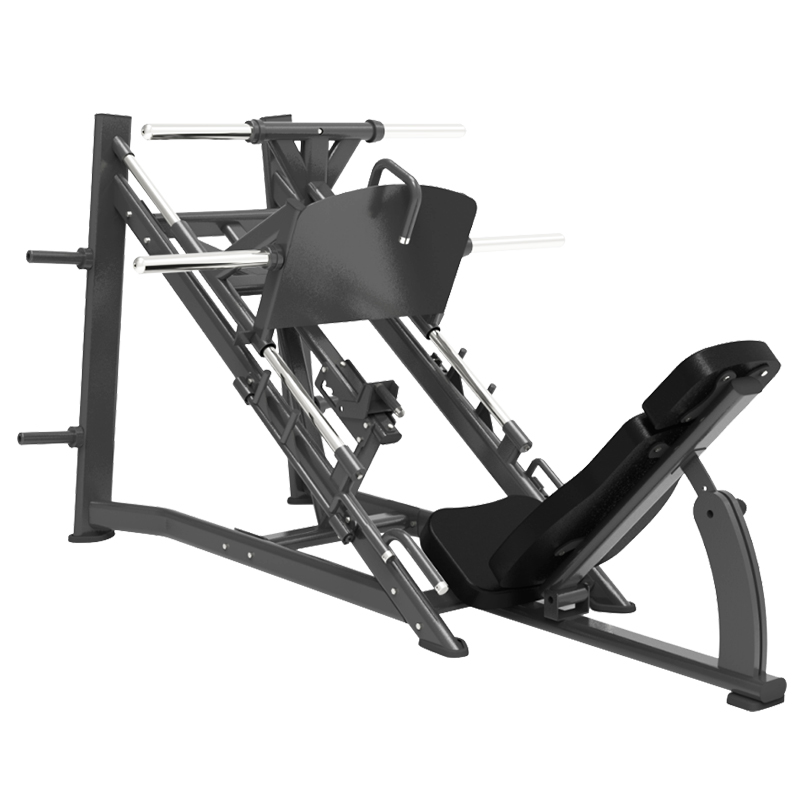
First, let’s clarify the basics. The 45-degree leg press (also called the incline leg press) positions your seat at a 45-degree angle, with the sled sliding upward along a track. This design leverages gravity to add resistance, allowing you to lift heavier weights while keeping your back supported. In contrast, the horizontal leg press places you in a reclined, upright position, pushing a footplate straight forward as the seat slides back on rails—this setup minimizes spinal compression and offers a more controlled movement path.
Muscle activation is where the two machines diverge most. The 45-degree leg press delivers a more balanced lower-body workout: its angled design engages glutes and hamstrings more intensely, especially when you place your feet higher on the sled. This makes it ideal for building overall lower-body mass and power, as the greater range of motion (thanks to deeper knee flexion) enhances muscle stretch and recruitment. For advanced lifters chasing hypertrophy or athletic performance, this variation is a go-to, as it allows for heavier loading without excessive back strain.
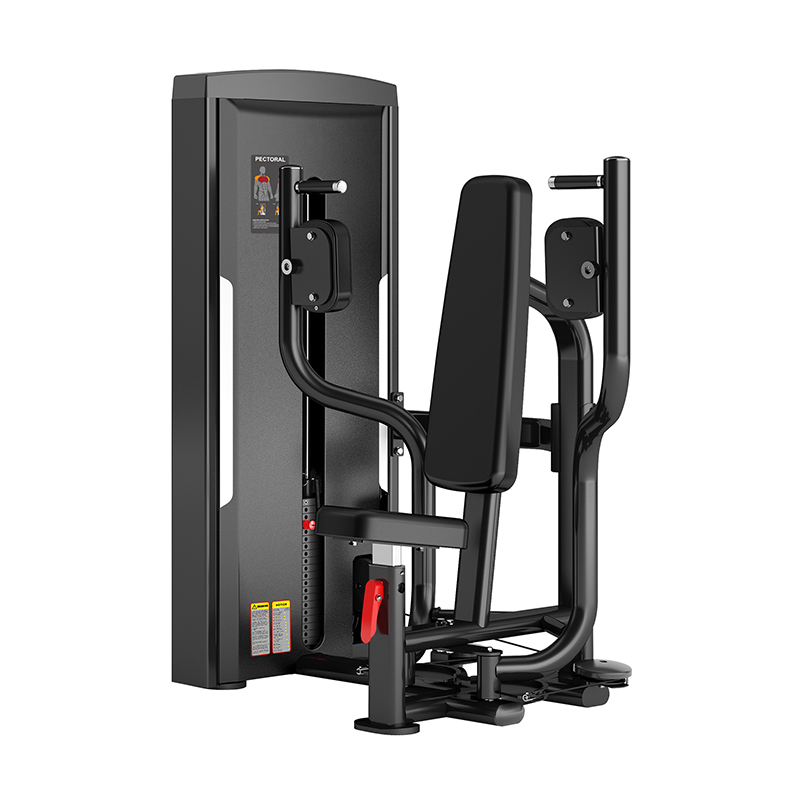
The horizontal leg press, on the other hand, prioritizes quadriceps activation, making it perfect for isolating and strengthening your quads—particularly the vastus medialis, which supports knee stability. Its reclined position provides superior lower back support, making it safer for beginners, older adults, or anyone recovering from back injuries or joint issues. It’s also more space-efficient and easier to use, with a straightforward movement that requires less balance, making it accessible for those new to weight training.
To choose between them, focus on your goals and limitations. If you want balanced lower-body strength, muscle growth, or to complement squats, the 45-degree leg press is better. If you need quad isolation, have back/knee concerns, or are new to lifting, opt for the horizontal version. Many lifters even combine both to target different muscles and avoid plateaus.
Both machines are effective—neither is “better” overall, but one will align better with your needs. By understanding their unique benefits, you can optimize your leg day, reduce injury risk, and move closer to your fitness goals.