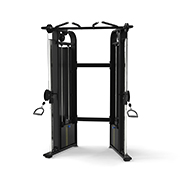
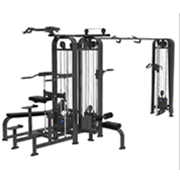
When it comes to sculpting a powerful, defined upper body—especially a thick, full chest—the adjustable cable crossover machine stands out as one of the most versatile and effective pieces of equipment in any gym. Whether you’re a beginner looking to build foundational strength or an advanced lifter chasing peak performance, this machine offers unmatched potential to transform your physique. Let’s break down why the adjustable cable crossover is the ultimate training tool for your upper body goals.

What Makes the Adjustable Cable Crossover Unique?
Unlike fixed machines that limit your range of motion, the adjustable cable crossover lets you modify the height of the pulleys to target every angle of your chest, shoulders, and arms. This adaptability is key to developing a balanced, aesthetic upper body. For example, setting the pulleys high emphasizes the upper chest and shoulders, while lower pulleys shift the focus to the lower chest and triceps. This versatility means you can hit muscles from multiple directions, avoiding plateaus and promoting continuous growth.
Key Exercises to Maximize Your Cable Crossover Workouts
Cable Crossovers: The signature exercise of this machine. Stand between the pulleys, grab the handles, and bring your arms together in front of your chest. This movement creates a powerful contraction in the chest fibers, especially the inner chest, which is often hard to target with other exercises. Adjust the pulley height to shift focus between upper and lower chest.
Single-Arm Cable Flyes: Isolate one side of your chest to correct imbalances and boost mind-muscle connection. This exercise also engages your core for stability, adding an extra layer of benefit to your workout.
Cable Push-Downs: Reposition the pulleys to the top of the machine to target your triceps. This variation is excellent for building tricep definition and strength, complementing your chest gains.
Face Pulls: Set the pulleys to eye level and pull the rope toward your forehead. This underrated exercise strengthens the rear delts and upper back, improving posture and reducing the risk of shoulder injuries—critical for any serious lifter.
Why Choose an Adjustable Cable Crossover Over Other Equipment?
While free weights like dumbbells and barbells are staples, the cable crossover offers distinct advantages:
Constant Tension: Cables maintain tension throughout the entire movement, ensuring your muscles are working from start to finish. This leads to more muscle fiber activation and faster growth.
Reduced Joint Stress: The smooth, controlled motion of cables minimizes the impact on your joints, making it a safer option for lifters recovering from injuries or those with joint sensitivities.
Progressive Overload: With adjustable weight stacks, you can easily incrementally increase the resistance, which is essential for long-term strength and muscle gains.
Final Thoughts
The adjustable cable crossover machine is more than just a piece of gym equipment—it’s a transformative tool that can take your upper body training to the next level. By leveraging its adaptability, you can target every muscle group in your chest, shoulders, and arms with precision, leading to a stronger, more defined physique. Whether you’re training at home or in a commercial gym, investing time in mastering the cable crossover will pay off with noticeable results.
If you’re ready to unlock the full potential of your upper body, the adjustable cable crossover is the ultimate training companion. Start incorporating these exercises into your routine, and watch as your strength and aesthetics reach new heights.