If you want stronger, more defined legs without putting unnecessary stress on your spine, the seated leg press is one of the most effective and reliable exercises you can add to your routine. Whether you’re a beginner learning proper form or an experienced lifter building muscle and power, this machine supports your body while targeting your quads, glutes, hamstrings, and calves. In this ultimate guide, we cover everything you need to know about the seated leg press: correct form, benefits, muscles worked, common mistakes, and how to use it for real leg growth.

What Is the Seated Leg Press?
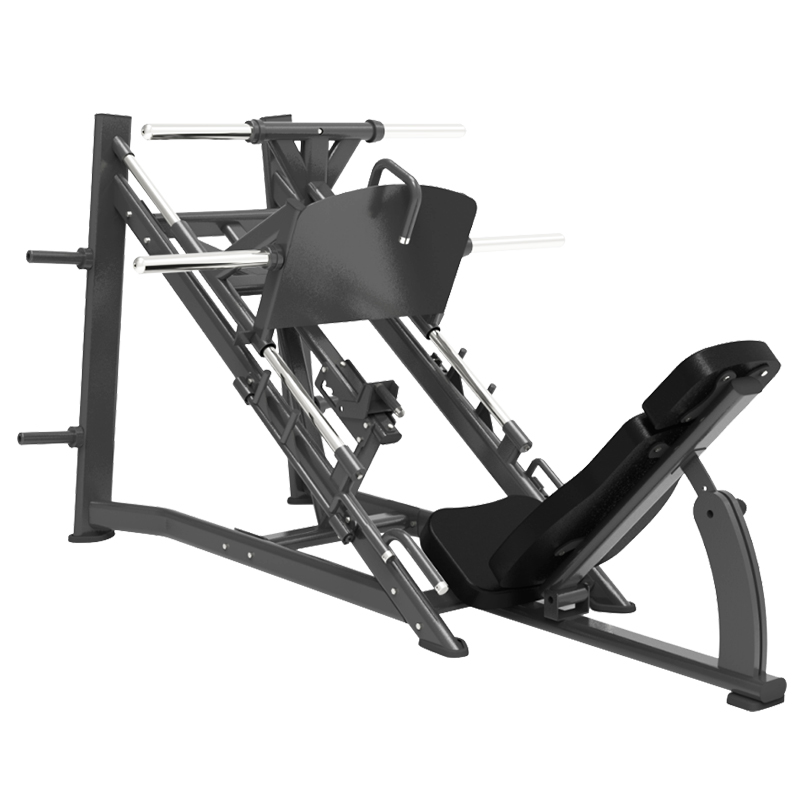
The seated leg press is a popular resistance machine found in nearly every gym. Unlike standing leg exercises such as squats or lunges, it keeps you in a stable, seated position with back support. You push a weighted platform away from your body using your legs, then control the weight as you return to the starting position. This design makes it joint-friendly and easier to master, which is why so many people choose it for leg day.
Muscles Worked During Seated Leg Press
The seated leg press is a compound movement, meaning it activates multiple muscle groups at once:
Quadriceps: The front of your thighs, the primary muscle targeted
Glutes: Activated as you push through your heels
Hamstrings: Support stability and leg extension
Calves: Engaged during the final push phase
This full lower-body activation makes it one of the best exercises for building balanced, strong legs.
How to Do a Seated Leg Press With Perfect Form
Proper form is key to avoiding injury and getting the best results. Follow these steps:
Sit down and press your back firmly against the pad. Keep your chest up and your head neutral.
Place your feet shoulder-width apart in the middle of the platform.
Unlock the safety bars and fully extend your legs — do not lock your knees.
Lower the platform by bending your knees until they form roughly a 90-degree angle.
Push through your heels to extend your legs and return to the start.
Complete 3–4 sets of 8–15 reps, depending on your goals.
Top Benefits of the Seated Leg Press
Safe for Beginners
Many new gym-goers struggle with balance and form during free-weight exercises. The seated leg press removes that challenge, making it perfect for anyone building leg strength for the first time.
Reduces Spine Pressure
Unlike back squats, the seated leg press supports your lower back. This is great for people with minor back discomfort or those recovering from light injuries.
Easy to Progress
You can slowly add small weight plates as you get stronger. This steady progression is essential for muscle growth and long-term leg development.
Versatile for All Fitness Levels
Bodybuilders, athletes, and casual gym users all benefit from the seated leg press. It can build muscle, improve endurance, or support rehabilitation.
Common Mistakes to Avoid
Rounding your back: Always keep your spine supported.
Lowering the weight too far: Over-bending can strain knees.
Using momentum: Control the weight on the way down.
Locking your knees: Keep a soft bend to protect joints.
Final Thoughts
The seated leg press deserves a permanent place in your leg workout. It’s safe, effective, and suitable for every fitness level. With consistent training and proper form, you’ll see stronger legs, better muscle definition, and improved lower-body power.
If you’re serious about building stronger legs, stop neglecting the leg press. Add it to your next workout and feel the difference.