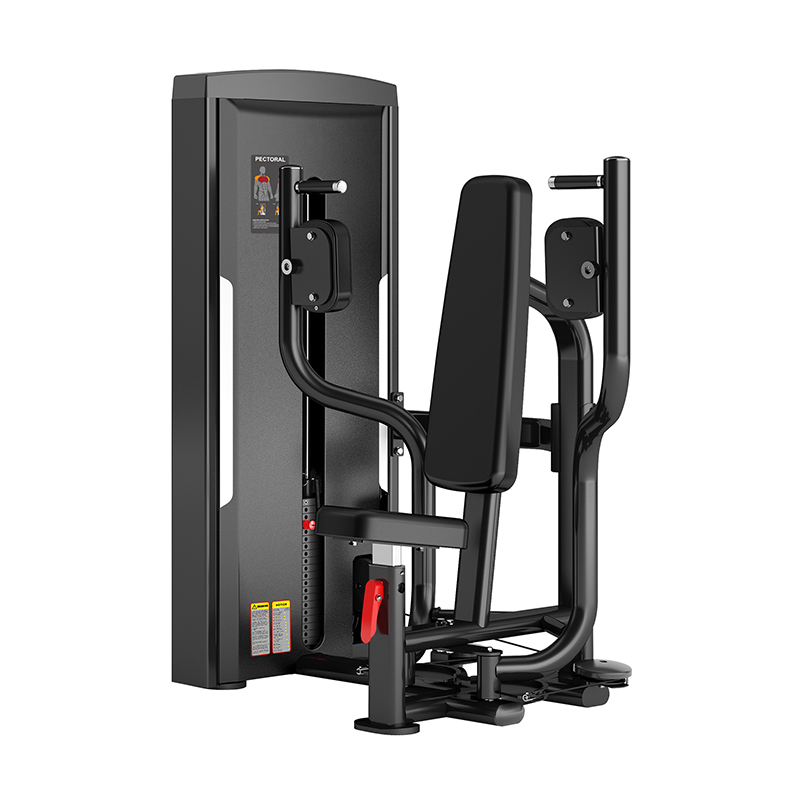
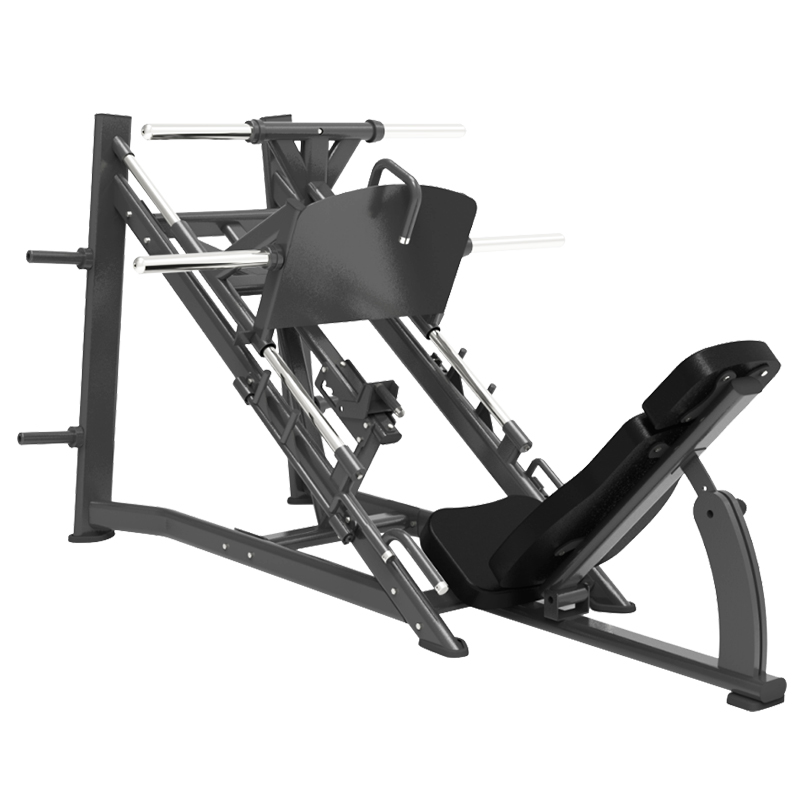
If you want a rounder, stronger, and more lifted booty, the glute machine is one of the most effective tools for targeted glute growth. Unlike squats or lunges that often involve the quads and hamstrings, a dedicated glute machine isolates your glutes, minimizes muscle compensation, and helps you build the shape you want. Below is a complete, step-by-step guide on how to use a glute machine for maximum glute growth, including proper form, setup, and training tips.

Before you start, adjust the machine to fit your body. Sit comfortably with your back firmly against the pad and your feet placed shoulder-width apart. The padded lever should rest gently on your upper thighs, close to your hips—not your knees. Proper alignment ensures your glutes bear the workload, not your joints.
Proper form is critical for glute activation and growth. Begin with a light weight to master movement patterns. Place your heels slightly forward and push through your heels as you extend your hips backward. Squeeze your glutes hard at the top of the movement and hold for one to two seconds. This peak contraction boosts muscle fiber activation and stimulates better growth.
Lower the weight slowly and with control. Avoid dropping the weight or using momentum. A slow, controlled eccentric phase increases time under tension, a key factor for muscle hypertrophy. Keep your core tight throughout the exercise to stabilize your spine and protect your lower back.
To maximize glute growth, use the right training variables. For hypertrophy, aim for three to four sets of 10 to 15 reps. Choose a weight that makes the last few reps challenging but still allows clean form. Training to near failure without sacrificing technique will give you the best results.
Progressive overload is essential. Gradually increase weight, reps, or sets over time. Your glutes adapt quickly, so consistent progression forces them to grow thicker and rounder. You can also add variations like single-leg presses to target each glute individually and fix strength imbalances.
Many people make the mistake of using too much weight or rushing reps. This shifts tension to the lower back and quads, reducing glute activation. Focus on feeling the burn in your glutes, not your legs or spine. If you feel discomfort in your lower back, reduce the weight and check your form.
For faster results, combine the glute machine with other effective exercises. Hip thrusts, glute bridges, and banded kickbacks complement machine training and create a balanced glute workout. Pair this with a protein-rich diet to support muscle repair and growth.
The glute machine is excellent for both beginners and advanced gym-goers. It provides stability, reduces injury risk, and lets you target your glutes with precision. Whether you live a busy lifestyle or want to enhance your lower-body shape, this machine fits perfectly into any workout plan.
In conclusion, using a glute machine correctly can transform your glutes. Focus on proper setup, controlled movement, strong contractions, and progressive overload. Stay consistent, and you will notice a fuller, firmer, and more lifted booty. Stop guessing and start growing—your best glutes are just a few workouts away.