If you want a full, defined chest that stands out in any shirt, the pectoral fly is one of the most effective exercises you can add to your routine. Unlike compound pressing movements that involve multiple muscle groups, the pectoral fly isolates your chest muscles, helping you build symmetry, improve muscle definition, and boost mind-muscle connection. Whether you’re a beginner learning the basics or an experienced lifter refining your technique, this complete guide covers proper form, key benefits, and common mistakes to avoid for maximum results.

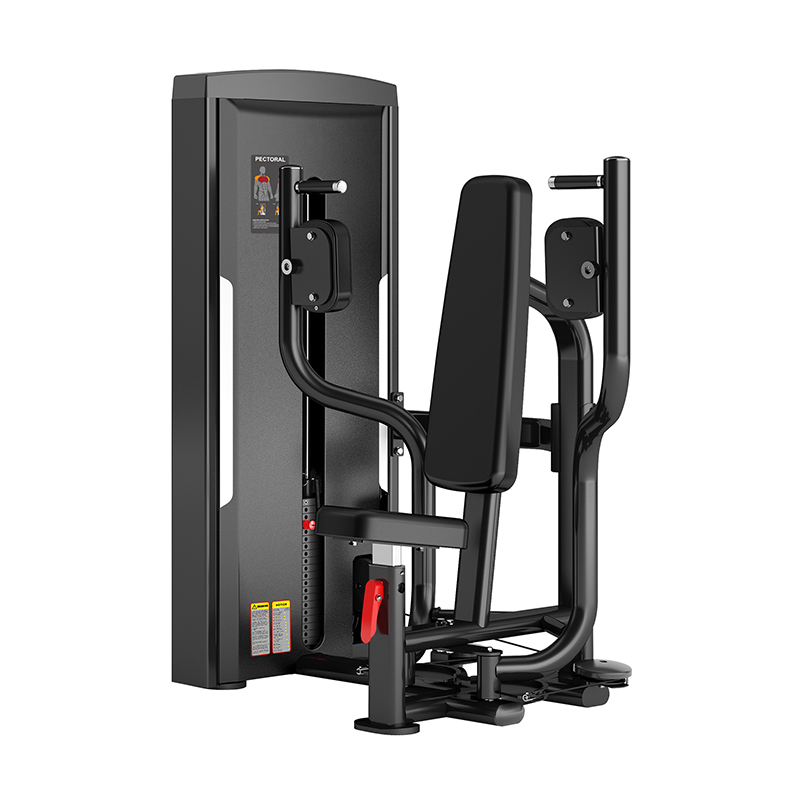
The pectoral fly, also known as the chest fly, is an isolation exercise performed on a pec deck machine or with dumbbells. Its focused movement targets the sternocostal head of the pectoralis major, the large muscle across your chest, while lightly engaging the anterior deltoids and triceps as stabilizers. Many people make the mistake of treating this exercise like a press, but its real value comes from stretching and squeezing the chest rather than pushing heavy weight.
To perform the machine pectoral fly correctly, start by adjusting the seat so your upper arms are parallel to the floor. Sit tall with your back firmly against the pad, feet flat on the ground, and core engaged. Grab the handles with a soft grip, keeping your elbows slightly bent and fixed throughout the movement. Exhale as you bring your arms together in front of your chest, squeezing your pectoral muscles hard for one to two seconds. Inhale as you slowly return to the starting position, allowing your chest to stretch fully without swinging or using momentum.
If you prefer dumbbells, lie flat on a bench with a dumbbell in each hand. Extend your arms above your chest, palms facing each other, with a slight bend in your elbows. Lower the weights out to the sides in a wide arc until you feel a gentle stretch across your chest, then squeeze your pecs to bring the dumbbells back to the starting position. Always prioritize control over speed to protect your shoulder joints.
One of the greatest benefits of the pectoral fly is improved chest aesthetics. This exercise creates a full, rounded appearance by targeting the inner and outer chest regions that pressing exercises often miss. It also enhances muscle mind connection, helping you feel your chest working instead of relying on your shoulders or triceps. Additionally, the controlled stretching motion improves chest flexibility and range of motion, which can support better performance in bench presses, push-ups, and other upper-body lifts.
To avoid injury and get better results, watch for these common mistakes. First, avoid using excessively heavy weight, which forces your shoulders to take over and raises injury risk. Second, keep a slight, fixed bend in your elbows—locking or bending them too much shifts tension away from your chest. Third, don’t rush the movement; slow, controlled reps build more muscle and reduce joint stress. Finally, avoid arching your back or lifting your hips, as this breaks proper form and reduces chest activation.
The pectoral fly is a must-have for anyone serious about chest development. By using proper form, focusing on muscle contraction, and avoiding common errors, you can build a stronger, more defined chest safely. Add this exercise to your upper-body or chest day routine 1–2 times per week, and you’ll notice improved shape, symmetry, and strength over time. Remember: quality of movement always beats quantity of weight.