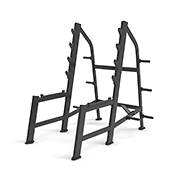
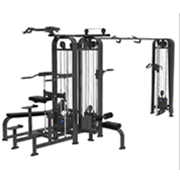
When it comes to sculpting a strong, defined core, two popular options often take center stage: abdominal machines and traditional crunches. Both promise to target your abs, but they differ dramatically in how they work, who they’re best for, and the results they deliver. The truth is, there’s no one-size-fits-all answer—your fitness level, goals, and body type will determine which is better for you. Let’s break down the key differences, pros, cons, and science behind each to help you make an informed choice.

Crunches are the classic bodyweight ab exercise, requiring no equipment and minimal space. They work by flexing your spine to contract the rectus abdominis—the “six-pack” muscle—along with the obliques and deep transverse abdominis to a lesser extent. When done with proper form (lower back pressed to the floor, hands crossed on your chest, and slow, controlled movements), crunches are effective for building ab definition and strengthening surface core muscles.
The biggest advantage of crunches is their accessibility: you can do them anywhere, anytime, without spending money on equipment. They’re also great for beginners learning to engage their core, as they’re simple to master with a little practice. However, crunches have significant drawbacks. Poor form—such as pulling your neck or arching your lower back—can lead to strain or injury, especially in the lumbar spine and cervical area. They also focus mostly on surface muscles, offering limited functional strength benefits compared to exercises that engage the full core.
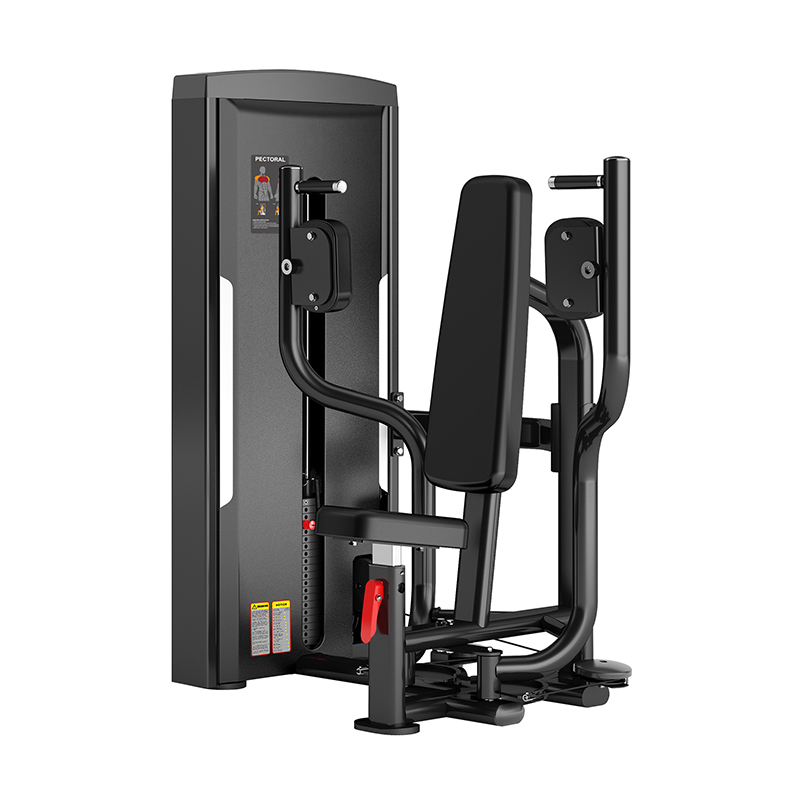
Abdominal machines, on the other hand, are designed to isolate and target core muscles with controlled, guided movement. Most machines use resistance (weights, springs, or tension) to add intensity and ensure proper form, reducing the risk of injury from poor technique. EMG studies show that some high-resistance ab machines can elicit greater abdominal muscle activity than traditional crunches, making them effective for muscle growth and strength gains.
Machines are ideal for beginners who struggle with form, as well as intermediate/advanced lifters looking to add progressive overload—a key factor for muscle hypertrophy. They also reduce strain on the lower back and neck, making them safer for those with existing joint issues. However, machines are less accessible (requiring a gym membership or home equipment), can be expensive, and often lack functional carryover—their fixed movement patterns don’t mimic real-life core use as well as bodyweight exercises.
So, which is better? If you’re a beginner, short on space, or on a budget, crunches are a solid starting point—just prioritize form. If you have access to equipment, want to reduce injury risk, or aim for more intense core training, an abdominal machine is a better choice. For optimal results, experts recommend combining both: use machines to add resistance and isolate muscles, and crunches (or other bodyweight exercises like planks) to build functional core strength.
Remember, no exercise will give you visible abs without proper nutrition—reducing body fat is key to revealing the muscles you’re working. Whether you choose crunches, an abdominal machine, or a mix of both, consistency and proper form are far more important than the exercise itself.