If you want to build bigger, stronger arms, you’ve probably wondered whether the biceps curl machine or dumbbells is the better choice. Both tools can help you build arm muscle, but they work differently. Understanding their strengths will help you choose the right one for your goals, experience level, and body needs. Below is a clear comparison to help you decide.

The biceps curl machine is excellent for isolation and safety. It stabilizes your entire upper body, forcing your biceps to do almost all the work. This makes it perfect for beginners who are still learning proper form. The fixed path reduces stress on your wrists, elbows, and shoulders, lowering injury risk. If you struggle with balance or have joint issues, the machine is gentle and predictable. It also allows you to focus on squeezing the biceps at the top of the movement, which boosts muscle growth. For those who want consistent tension without worrying about swinging or bad technique, the biceps curl machine is extremely reliable.
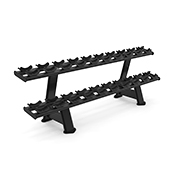
Dumbbells, on the other hand, offer greater freedom and functional strength. Unlike the machine, dumbbells require your core and stabilizer muscles to engage throughout the movement. This improves overall balance, coordination, and real-world strength. Dumbbells allow a wider range of motion and let you adjust your grip and arm position, which can target different parts of the biceps. Advanced lifters often prefer dumbbells because they support progressive overload and allow more exercise variations. Dumbbells are also highly versatile and take up little space, making them ideal for home gyms.
When it comes to muscle growth, both tools work well. The machine is better for strict isolation and muscle mind connection, making it great for finishing sets or rehabbing from minor injuries. Dumbbells stimulate more total muscle fibers because they involve stabilizers, supporting overall upper-body development.
Choosing between them depends on your experience and goals. Beginners, people with joint pain, or anyone who prioritizes safety and simple execution will benefit most from the biceps curl machine. Advanced lifters, those who want functional strength, and people who enjoy workout variety will get better results with dumbbells.
In many cases, the best approach is to use both. You can start with dumbbells for strength and variety, then finish with the machine for focused, fatigue-free contractions. This combination maximizes muscle stimulation and prevents workout boredom.
To sum up, there is no universally “better” option. The biceps curl machine wins for safety, isolation, and ease of use. Dumbbells win for functional strength, versatility, and stabilizer development. Select the one that matches your current fitness level, or use both for balanced, effective arm training. With consistent effort and proper form, either choice will help you build the strong, defined arms you want.