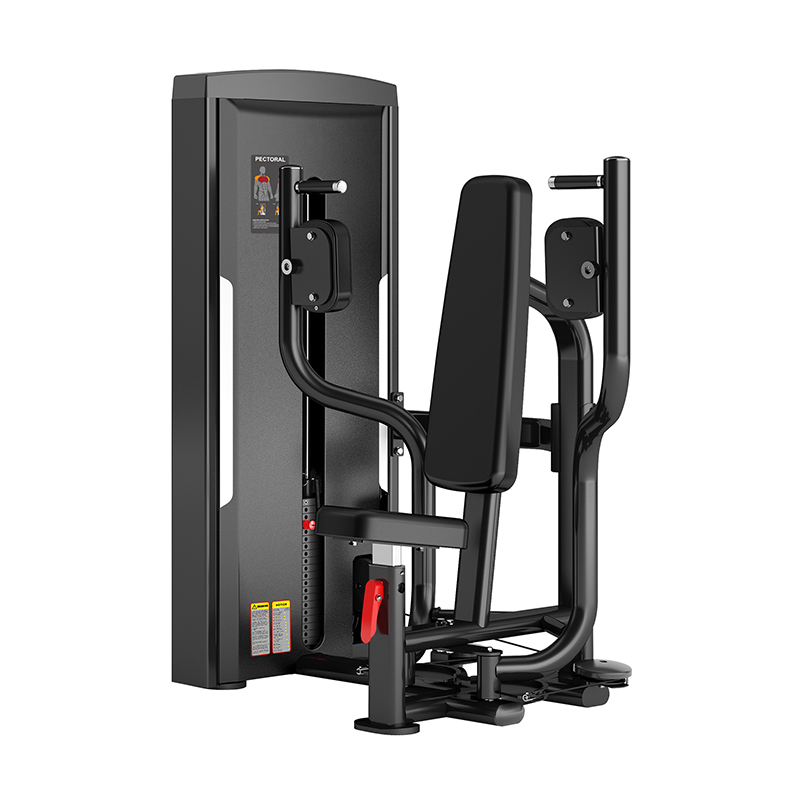
The chest press machine is a staple in every gym, and for good reason: it’s accessible for beginners, customizable for pros, and one of the most effective tools for building a strong, defined chest. Whether you’re new to strength training or looking to level up your chest day, this guide covers everything you need to master chest press machine workouts—from form basics to advanced strategies.

Why Choose the Chest Press Machine?
Unlike free weights (barbells or dumbbells), the chest press machine stabilizes your body, reducing the risk of injury while letting you focus on targeting your chest muscles (pectoralis major and minor). For beginners, this means less time worrying about balance and more time learning proper muscle engagement. Pros benefit from its adjustability: you can tweak seat height, grip width, and resistance to isolate specific chest areas or overcome plateaus. It’s also ideal for drop sets, supersets, and rehabilitation exercises.
Beginner-Friendly Chest Press Machine Routine
If you’re new to the machine, start with the basics to build a solid foundation:
1. Setup: Adjust the seat so your elbows are at shoulder height when your arms are bent at 90 degrees. Grip the handles firmly, palms facing forward, and sit with your back pressed against the pad—no arching! Place your feet flat on the floor for stability.
2. Movement: Inhale as you slowly push the handles forward until your arms are almost straight (don’t lock your elbows). Exhale at the top, squeezing your chest muscles for 1–2 seconds. Lower the handles back to the starting position slowly (2–3 seconds) to maximize muscle tension.
3. Routine: 3 sets of 12–15 reps with a light-to-moderate weight. Focus on form over heavy resistance—poor form can lead to shoulder strain.
Advanced Strategies for Pros
Once you’ve mastered the basics, use these tricks to challenge your chest and break through plateaus:
- Adjust Grip Width: Narrow grip (hands closer together) targets the inner chest; wide grip focuses on the outer chest. Alternate grips during your workout for balanced development.
- Drop Sets: Do 1 set to failure, then immediately reduce the weight by 20–30% and do another set to failure. This boosts muscle growth by pushing your chest to its limit.
- Supersets: Pair chest press machine with a chest fly machine (no rest between sets). The combination of compound (chest press) and isolation (fly) movements amplifies muscle fatigue and growth.
- Progressive Overload: Gradually increase weight, reps, or sets every 1–2 weeks. For example, if you can do 15 reps easily, add 5–10 pounds next time.
Common Mistakes to Avoid
Even experienced gym-goers make these errors—fix them to get better results:
- Arching your back: This shifts tension to your lower back instead of your chest. Keep your back flat against the pad.
- Locking your elbows: This puts stress on your joints. Keep a slight bend at the top of the movement.
- Using too much weight: Heavy weights can lead to poor form. Start light and increase gradually.
- Rushing the movement: Slow, controlled reps are more effective than fast, sloppy ones. Focus on muscle contraction.
Final Tips: Always warm up with 5–10 minutes of cardio (jumping jacks, brisk walking) and dynamic stretches (arm circles) before using the machine. Cool down with static chest stretches to reduce soreness. Consistency is key—aim for 1–2 chest press machine workouts per week, and pair them with a balanced diet rich in protein to support muscle growth.
Whether you’re a beginner learning the ropes or a pro chasing bigger gains, the chest press machine is a versatile tool that delivers results. Follow this guide, prioritize form, and adjust as you progress—your chest will thank you.