For runners and fitness lovers, the age-old debate between treadmill and outdoor running never fades. Both offer effective cardio, but they differ in convenience, impact, and results—making one better suited to your lifestyle, goals, and preferences. This guide breaks down the key pros and cons of each to help you decide which running style deserves a spot in your routine.

Treadmill Running: Convenience & Controlled Conditions
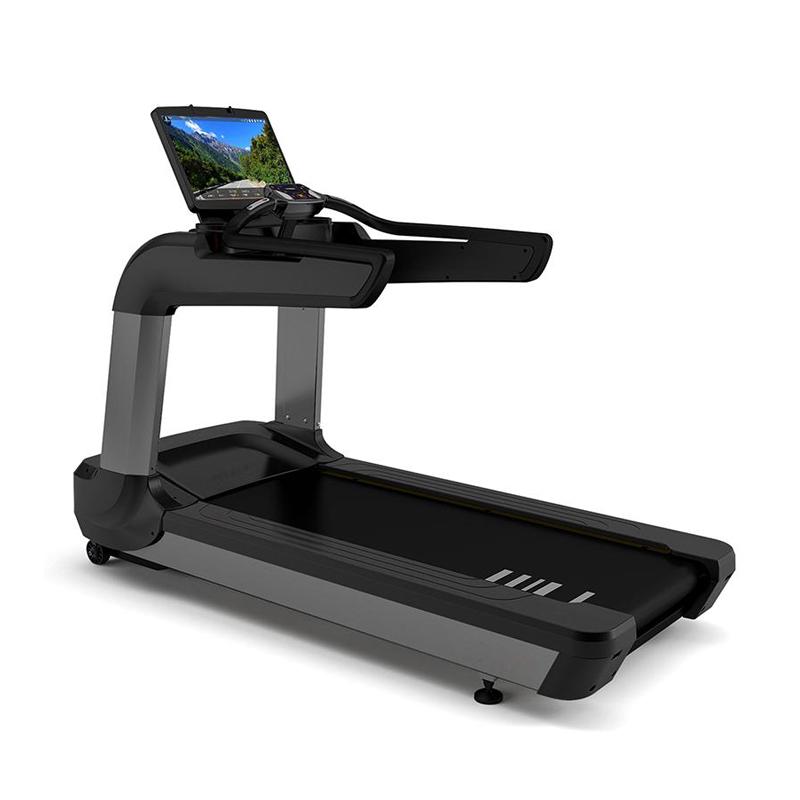
Treadmills shine for accessibility and predictability, especially for busy people or those in harsh climates. You can lace up and run anytime—rain, snow, extreme heat, or dark evenings won’t derail your workout. The controlled environment also means consistent terrain: no uneven paths, potholes, or unexpected hills to risk injury.
Adjustability is another major perk. Most treadmills let you tweak speed and incline instantly, making it easy to target specific goals—like a steady fat-burning pace or uphill intervals for muscle gain. The cushioned belt reduces joint impact by 15-20% compared to concrete, a game-changer for runners with knee or ankle issues.
On the flip side, treadmill running can feel monotonous. The lack of wind resistance and changing scenery may lead to boredom, and some runners struggle with "treadmill fatigue" from the repetitive motion. It also requires space and investment—quality home treadmills aren’t cheap, and they take up floor room.
Outdoor Running: Variety & Real-World Challenge
Outdoor running thrives on variety and natural stimulation. Whether you’re jogging through parks, trails, or city streets, changing landscapes, fresh air, and natural wind resistance keep your mind engaged and your body adapting. The uneven terrain (grass, dirt, sidewalks) activates more stabilizer muscles, boosting overall strength and balance.
It’s also budget-friendly and accessible—no equipment needed beyond a good pair of running shoes. Many runners find outdoor running more mentally rewarding: the sense of freedom and connection to nature reduces stress better than indoor workouts for some. Plus, wind and hills add natural intensity, helping you build endurance faster than a flat treadmill.
However, outdoor running is at the mercy of the elements. Bad weather, poor air quality, or unsafe neighborhoods can limit your sessions. Hard surfaces like concrete increase joint impact, raising injury risk for new runners or those with pre-existing issues. It’s also less consistent—pacing can vary with terrain, making it harder to track progress accurately.
How to Choose the Right Option for You
Opt for treadmill running if: you value convenience, have joint concerns, need controlled workouts, or live in extreme climates. It’s ideal for busy schedules, targeted training, or safe indoor sessions.
Choose outdoor running if: you crave variety, want to build natural endurance, prefer budget-friendly workouts, or enjoy being in nature. It’s perfect for runners who find indoor workouts boring or want to challenge their body with real-world terrain.
Many runners blend both for balance—using treadmills for consistent training and outdoor runs for mental refreshment. Ultimately, the best choice is the one you’ll stick with long-term.