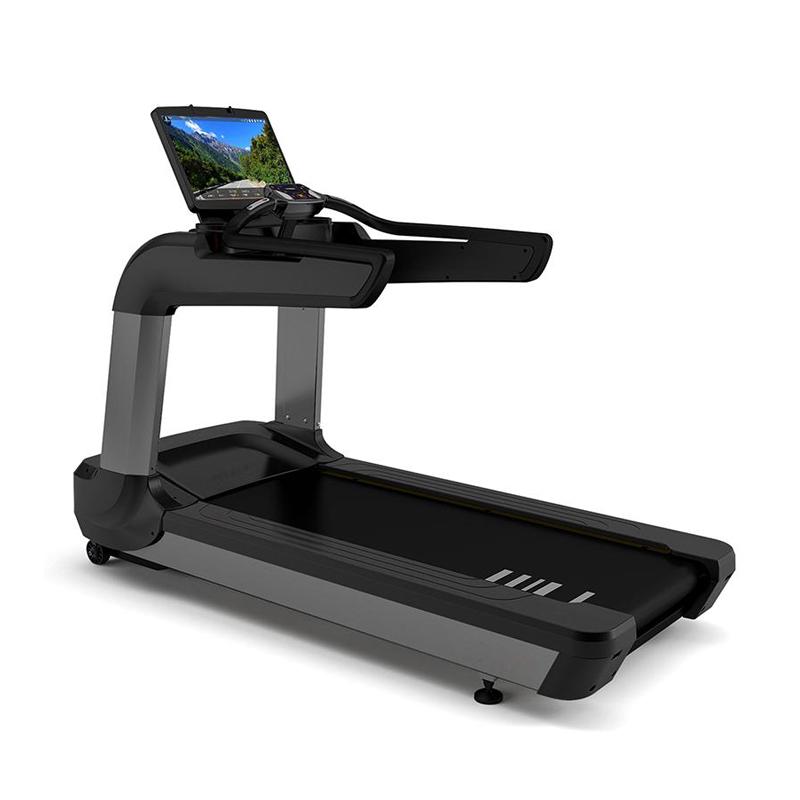
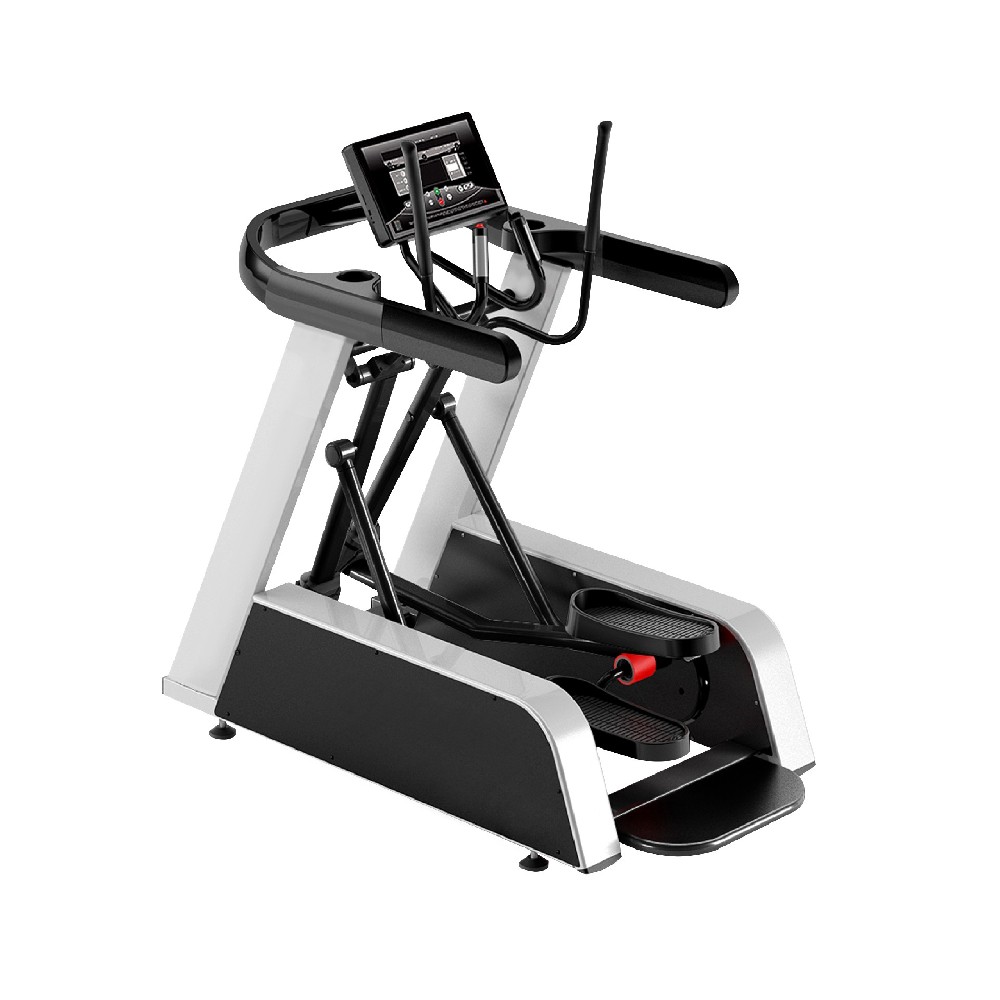
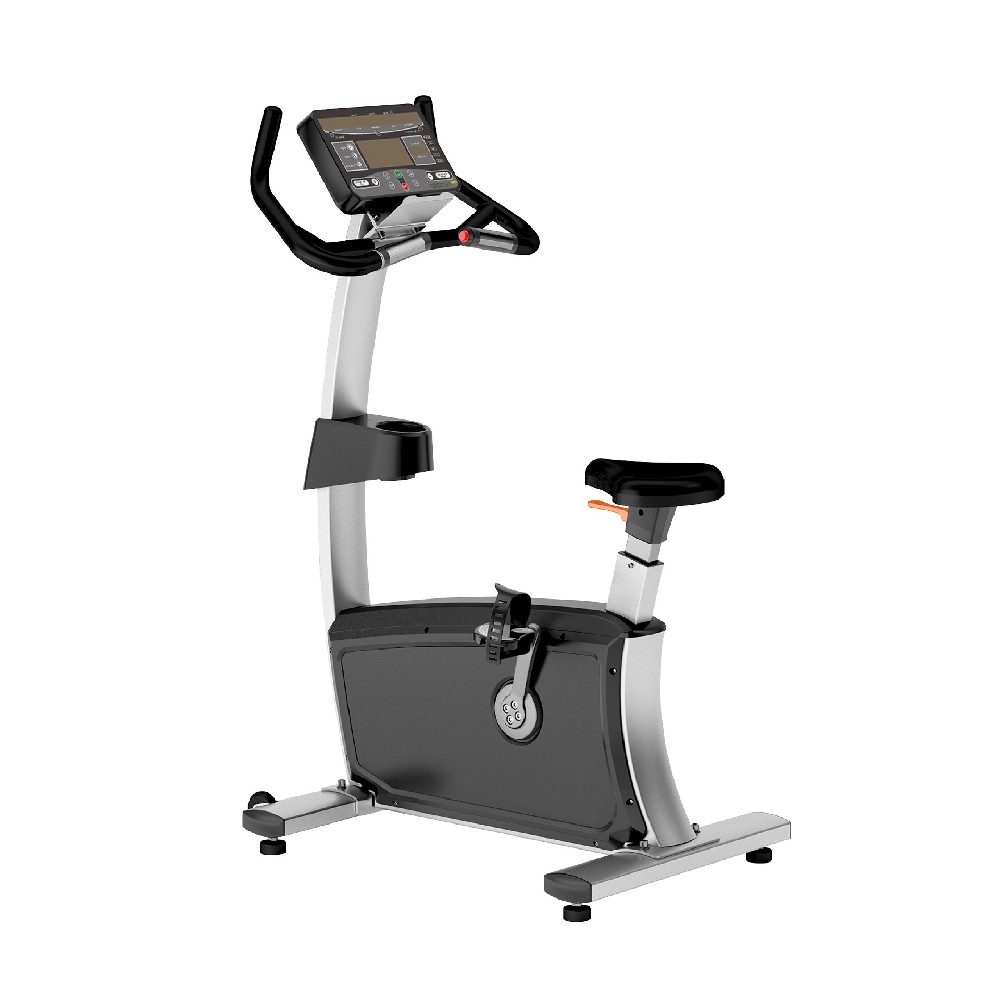
For fitness enthusiasts aiming to maximize home workouts, a treadmill is a versatile tool—if used correctly. Many people waste hours on the treadmill with poor form or random pacing, missing out on fat-burning and muscle-building potential. This guide breaks down the proper technique and heart rate strategies to turn every session into an efficient, results-driven workout.

Master Proper Treadmill Form for Safety & Efficiency
Form is the foundation of effective treadmill training—bad posture leads to fatigue, injury, and minimal results. Start with your posture: stand tall with shoulders relaxed, core engaged, and chest open. Avoid slouching or leaning forward; keep your spine neutral to distribute weight evenly.
Your foot strike matters too. Land mid-foot (not on your heels or toes) to absorb impact and reduce stress on knees and ankles. Keep strides natural—shorter, quicker steps are better for endurance and fat loss, while slightly longer strides (without overreaching) work for muscle engagement.
Arm movement complements your stride: bend elbows at 90 degrees and swing them forward and back (not across your body). This balances your body and boosts momentum, making your run feel easier while burning more calories. Avoid holding the handrails for extended periods—they reduce core activation and disrupt your natural gait.
Use Heart Rate Control to Target Fat Loss or Muscle Gain
Heart rate zones are the key to tailored results. First, calculate your maximum heart rate (MHR) using the standard formula: 220 minus your age. Then, adjust your treadmill speed and incline to hit the right zone for your goal.
For fat loss: Aim for 60-70% of your MHR. This is the "fat-burning zone" where your body uses stored fat as fuel. Keep the pace moderate (3-5 mph for most adults) and add a 1-2% incline to mimic outdoor running resistance. Sustain this zone for 30-45 minutes, 3-4 times a week.
For muscle gain: Focus on 75-85% of your MHR with interval training. Alternate 1 minute of sprinting (6-8 mph) with 2 minutes of brisk walking or jogging (3-4 mph). This high-intensity approach stimulates muscle growth in your legs, glutes, and core. Pair intervals with a 3-5% incline to increase muscle activation further.
Pro Tips to Amplify Results
Warm up for 5 minutes at a slow pace (2-3 mph) to loosen muscles and raise your heart rate gradually.
Cool down with 5 minutes of walking and stretching to prevent soreness and improve recovery.
Use a chest strap heart rate monitor for accuracy—treadmill hand sensors can be inconsistent.
Adjust incline regularly: Even a 1% incline increases calorie burn by 10-15% and engages more leg muscles.
By combining proper form with targeted heart rate control, you’ll transform your treadmill workouts from mindless cardio to a strategic routine that delivers visible results. Consistency is key—stick to the plan, and you’ll notice improved endurance, reduced body fat, and toned muscles in as little as 4-6 weeks.