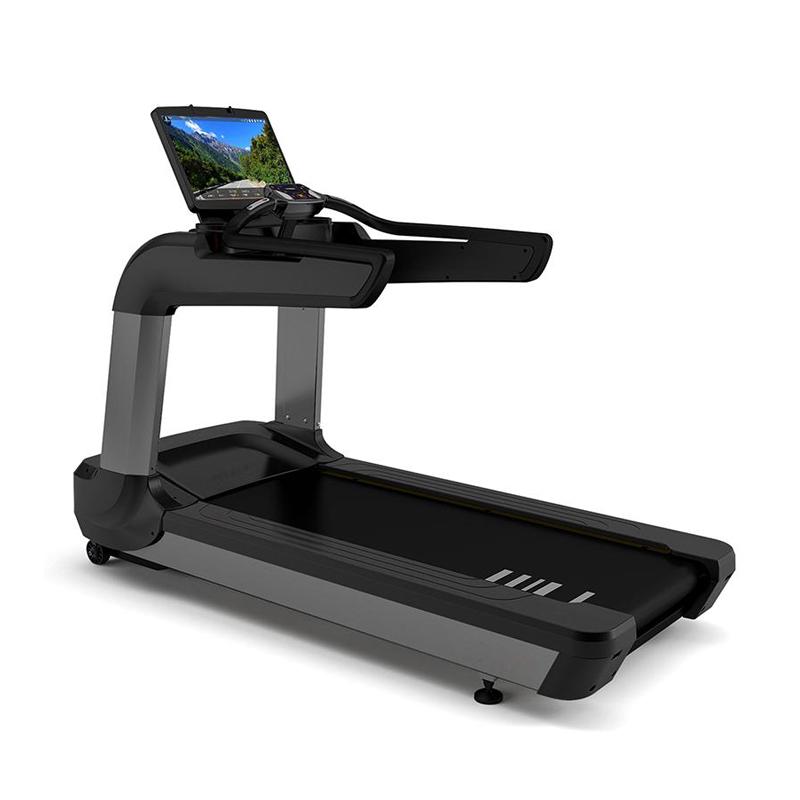
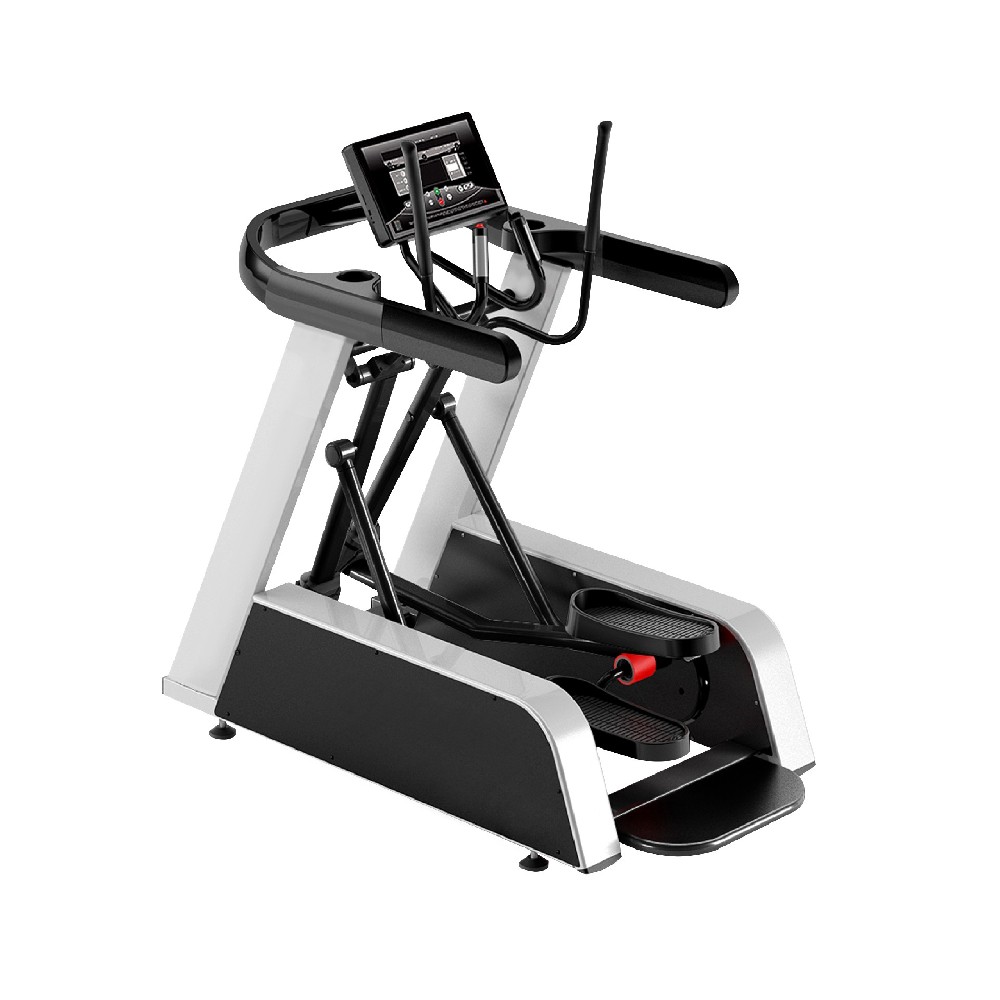
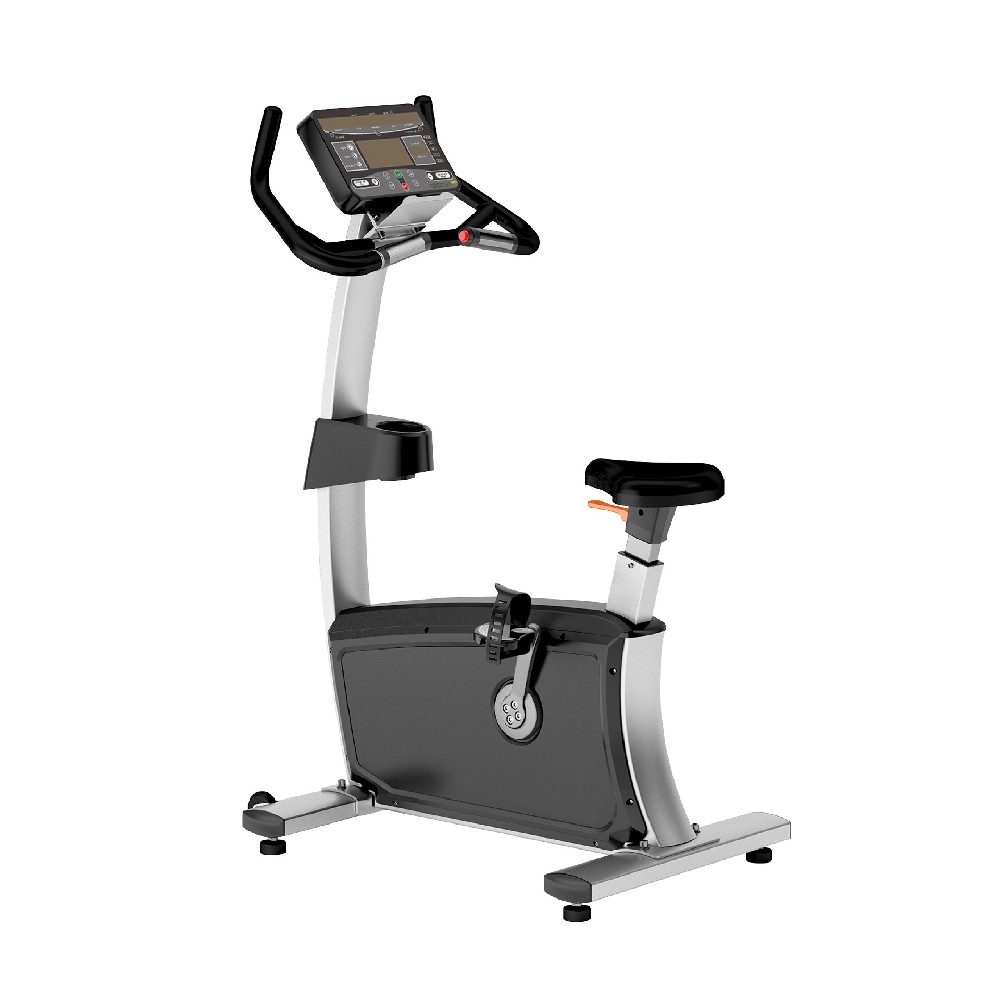
Stepping onto a Stairmaster for the first time can feel intimidating. This popular cardio machine delivers an excellent lower-body and core workout, but poor form or incorrect intensity settings often lead beginners to quit early—or worse, get injured. If you’re new to the Stairmaster, this guide will help you avoid common pitfalls, master proper form, and adjust intensity like a pro to make your workouts effective and sustainable.
Proper Stairmaster Form: The Foundation of Safe Workouts
Many beginners make the mistake of slouching, leaning too far forward, or using their upper body excessively to compensate for fatigued legs. These bad habits not only reduce workout efficiency but also strain your back, shoulders, and knees. Follow these key form tips to stay safe:

First, stand tall with your chest up, shoulders relaxed, and core engaged. Your spine should be in a neutral position—avoid hunching or arching your lower back. Keep your head forward, not looking down at your feet, to maintain proper neck alignment. When stepping, drive through your heels, not your toes. This activates your glutes and hamstrings, taking pressure off your knees. Your steps should be full and controlled, not shallow or rushed.
For your upper body, lighten your grip on the handrails. Use them only for balance, not to pull or push yourself up. Pulling on the rails reduces the workload on your legs and can strain your shoulders. If you find yourself relying heavily on the handrails, it’s a sign that your intensity is too high—slow down or lower the resistance.
Intensity Adjustment Tips for Beginners: Start Slow, Progress Smart
One of the biggest mistakes new Stairmaster users make is cranking up the intensity too soon. This leads to burnout, muscle soreness, or injury. Follow these guidelines to adjust intensity safely:
Start with a warm-up: Begin at a low resistance (level 3-5) and a slow step rate (around 60 steps per minute) for 5 minutes. This increases blood flow to your muscles and prepares your body for more intense work.
Find your baseline: After warming up, adjust the resistance to a level where you can maintain proper form while breathing steadily. You should be able to speak in short sentences, not gasp for air. For most beginners, this is around level 5-7. Stay at this baseline for 10-15 minutes during your first few workouts.
Progress gradually: Once you can complete 20 minutes at your baseline with ease, increase the intensity. You can either raise the resistance by 1-2 levels or increase the step rate by 5-10 steps per minute. Don’t change both at the same time—this avoids overwhelming your body. Aim to increase intensity by no more than 10% each week.
Listen to your body: If you feel sharp pain in your knees, back, or hips, stop immediately. Soreness is normal, but pain is a warning sign. Lower the intensity or end your workout early if needed.
Bonus: Other Common Pitfalls to Avoid
Besides poor form and overdoing intensity, here are two more mistakes to watch for: Wearing the wrong shoes—use supportive athletic shoes with good cushioning to absorb impact. Working out too long—beginners should stick to 15-20 minute sessions initially, gradually building up to 30 minutes as they get stronger.
The Stairmaster is a powerful tool for building strength and endurance, but success as a beginner lies in mastering form first and progressing slowly. By following these tips, you’ll avoid common mistakes, stay motivated, and get the most out of every workout. Remember: Consistency beats intensity when you’re just starting out.