When setting up a home gym or picking equipment at the fitness center, two popular options often stand out: the elliptical trainer and the Spinning Bike. Both deliver effective cardio workouts, but they cater to different fitness goals, body types, and preferences. Understanding their key differences is crucial to investing in the right gear for your needs. Let’s break down the critical factors that set them apart.

Low-Impact vs. High-Intensity Focus
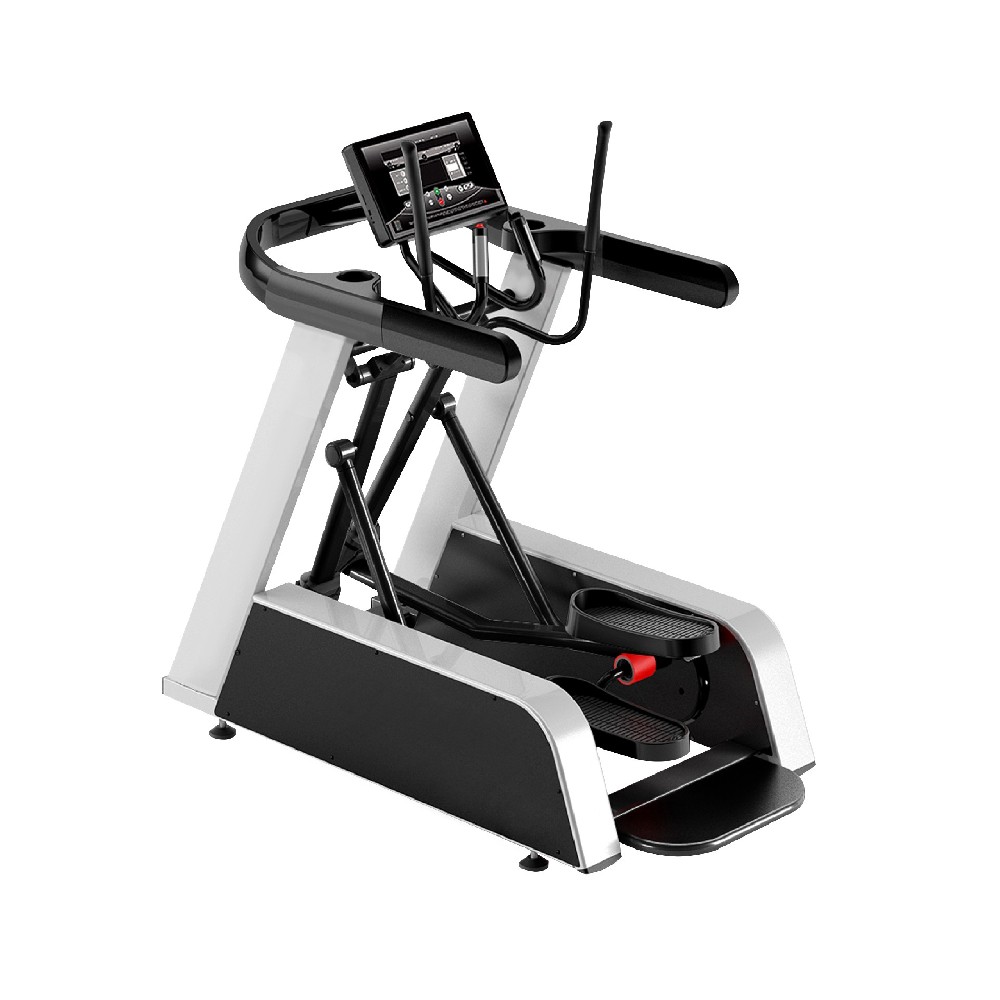
The elliptical is renowned for its low-impact design. Its gliding motion minimizes stress on joints, making it ideal for beginners, older adults, or anyone recovering from knee, hip, or ankle injuries. You engage both upper and lower body simultaneously, distributing effort evenly and reducing strain.
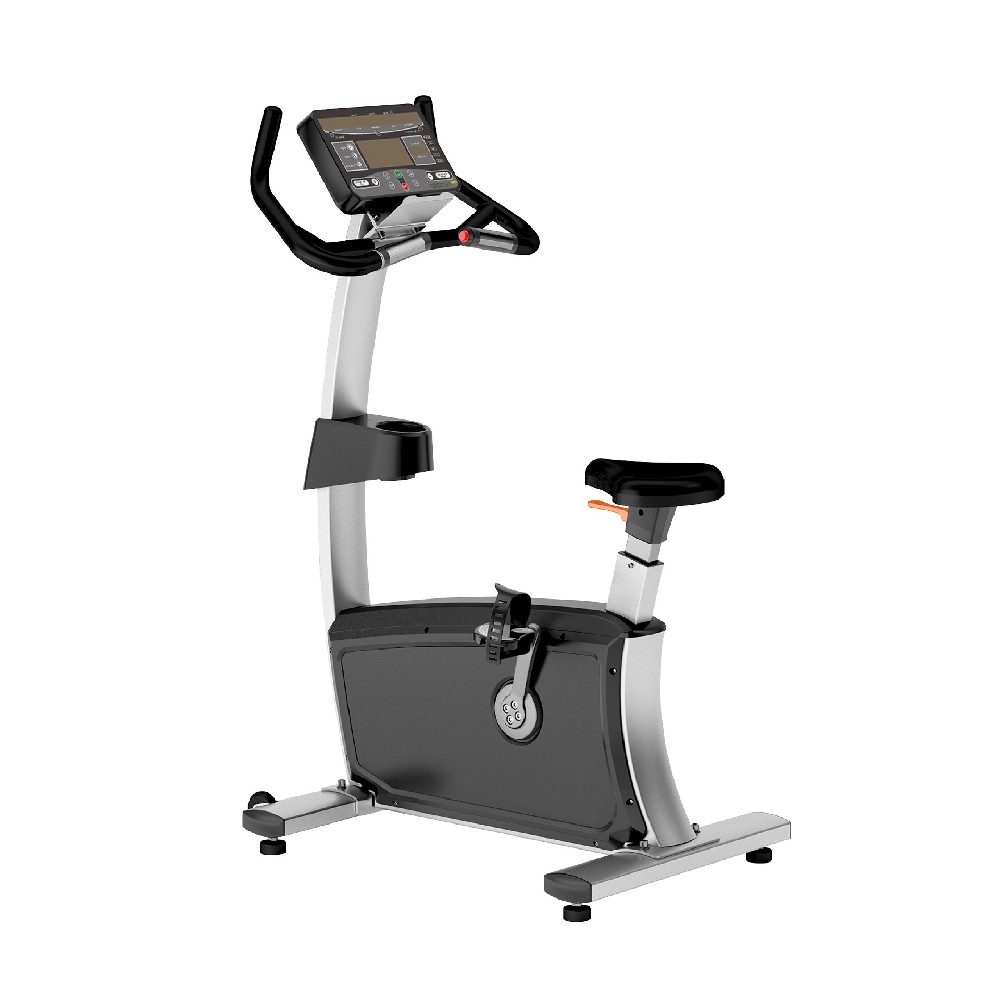
In contrast, a Spinning Bike (or indoor cycling bike) is built for high-intensity training. With a fixed flywheel and upright/forward-leaning posture, it targets the lower body—quads, glutes, and hamstrings—with more impact. It mimics outdoor cycling, letting you adjust resistance for sprinting or hill climbs, which boosts calorie burn and builds leg strength faster.
Workout Experience and Muscle Engagement
Ellipticals offer a full-body workout. The moving handlebars work your arms, shoulders, and core, creating a balanced session that burns calories steadily (300–400 calories per hour for a 150-lb person). The motion feels smooth and gentle, making longer workouts more sustainable.
Spinning Bikes focus on lower-body power. Without upper-body engagement, you can push harder on the legs, leading to higher calorie burn (400–600 calories per hour for the same weight) during intense sessions. Many models come with interactive features—like live classes or resistance controls—that add motivation for high-energy workouts.
Space, Comfort, and Versatility
Ellipticals typically require more floor space (around 6–8 square feet) and have a larger footprint due to their dual-action design. They often offer adjustable incline and resistance, allowing you to switch between cardio, strength, and endurance training.
Spinning Bikes are more compact (4–5 square feet), making them better for small rooms or apartments. They’re easier to move and store, and their padded seats and adjustable handlebars enhance comfort for longer rides. However, their focus is narrower—mostly cardio and lower-body strength—with less versatility than ellipticals.
Who Should Choose What?
Opt for an elliptical if you want low-impact, full-body training, have joint concerns, or prefer steady, sustainable workouts. Choose a Spinning Bike if you crave high-intensity cardio, want to build leg strength, or love the thrill of cycling workouts.
Both machines are excellent for improving cardiovascular health, but aligning their strengths with your goals ensures you stay consistent. Whether you prioritize joint safety, space efficiency, or intense calorie burn, knowing these key differences will help you make the best choice for your fitness journey.